ConciseTravel
Naples has been carrying a reputation that no longer fits the city. Dangerous, chaotic, difficult to navigate, somewhere to pass through quickly on the way to the Amalfi Coast or Pompeii. Eat a pizza, maybe visit the archaeological museum if you're feeling ambitious, then get out before something happens.
This version of Naples is outdated by at least a decade and probably longer. The city it describes still exists in fragments, as every large southern Italian city has rough patches, but it's not the dominant experience. The tourists who treat Naples as a transit stop are making a significant mistake.
Where the Reputation Came From
Naples had serious problems in the 1990s and early 2000s. The Camorra, the city's organised crime network, operated visibly in ways that affected daily life. Petty crime rates were high. Parts of the city were genuinely difficult. The reputation calcified during that period and has proved remarkably resistant to the evidence that things have changed substantially.
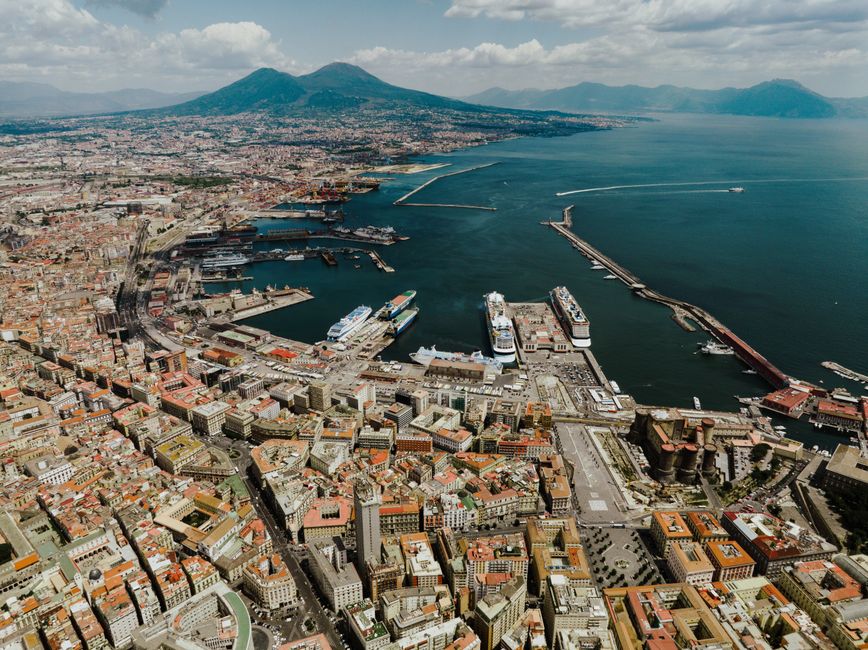
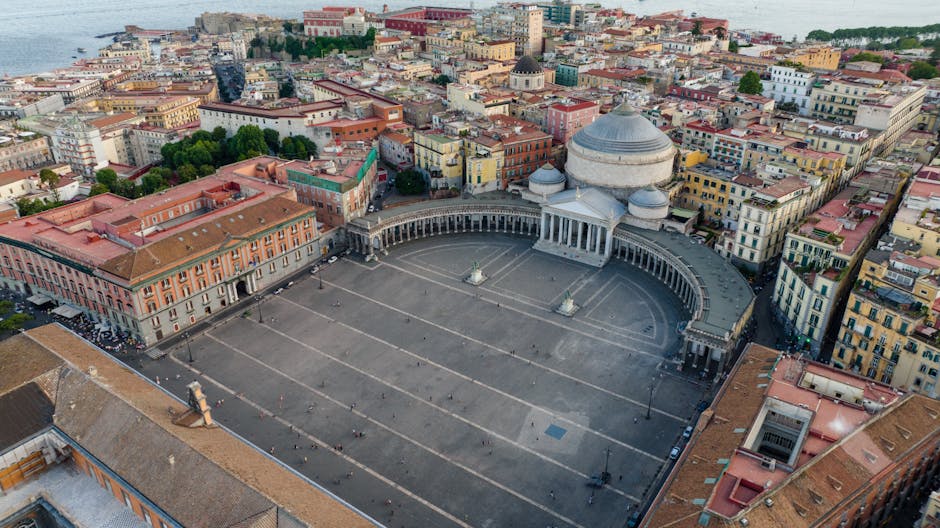
The centro storico, Naples' historic core, was listed as a UNESCO World Heritage Site in 1995. The Quartieri Spagnoli, once cited as a neighbourhood to avoid, has gentrified steadily and now hosts a mixture of local family restaurants, independent shops, and the kind of street art that attracts arts media coverage. The waterfront Lungomare, a wide seafront boulevard with views across the bay to Vesuvius, is one of the more pleasant urban promenades in Italy.
None of this means you abandon common sense. Standard precautions, keeping valuables out of sight, using official taxis, not walking alone in unfamiliar areas very late at night, apply in Naples as they do in Rome, Paris, and London. The city doesn't require special threat assessment beyond that.
What Naples Has That Other Italian Cities Don't
The National Archaeological Museum holds the most important collection of Greco-Roman artefacts in the world. Full stop. The Farnese collection, the finds from Pompeii and Herculaneum, the Secret Cabinet containing erotic artefacts from the ancient world, the Farnese Hercules: this is a museum that deserves a full day and rarely gets it because visitors don't plan to be in Naples long enough.
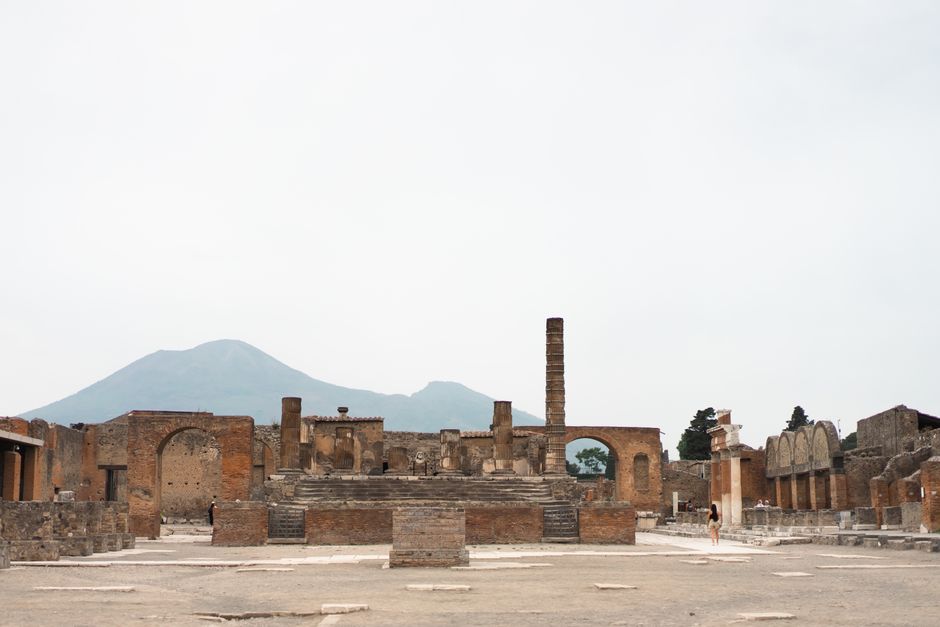
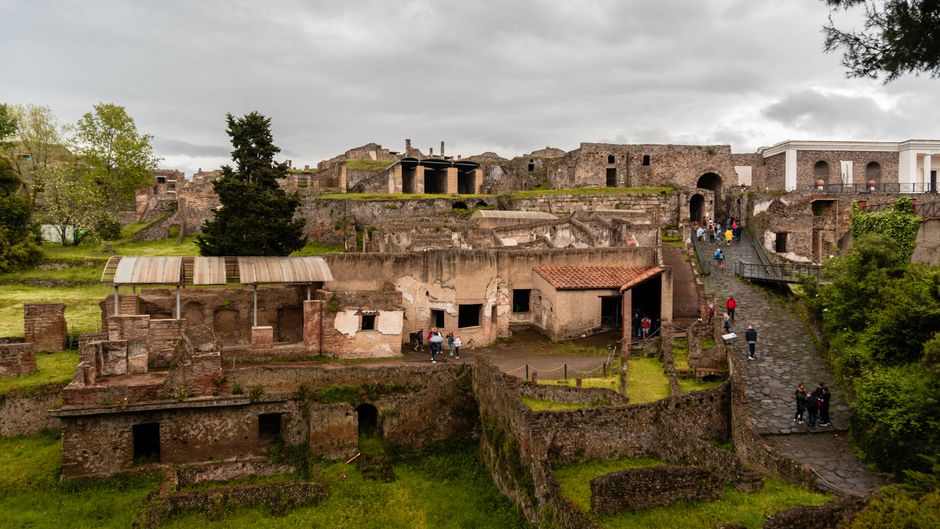
Pompeii and Herculaneum are both accessible by the Circumvesuviana train from Naples. Herculaneum in particular, smaller and better preserved than Pompeii, takes around 90 minutes to walk thoroughly and gives you a more intimate sense of Roman domestic life than Pompeii's scale allows. It's one of the most remarkable sites in Europe and it's 40 minutes from Naples central station.
The underground city, Napoli Sotterranea, runs beneath the centro storico through tunnels and cisterns carved from the volcanic tufa rock over two millennia. The guided tours take you through narrow passages, Roman-era infrastructure, wartime shelters, and the remnants of a Greek city buried under the one that stands above it. This is not a theme park experience. It's a genuinely strange and layered walk through 2,500 years of unbroken habitation.
The Pizza Question
Yes, the pizza is as good as people say. Better, probably. Neapolitan pizza is a specific thing, DOC-protected, made with San Marzano tomatoes, fior di latte or buffalo mozzarella, and cooked in a wood-fired oven at very high heat for 60 to 90 seconds. The dough is different from what you'll find in Rome or anywhere else. There are long queues at the famous places and the queues are not undeserved. But the pizza in Naples is also good at places without queues, because the baseline skill level across the city is high. It's not just the famous doors.
The Logistics Are Fine
Naples is served by a metro, a funicular network connecting the upper and lower city, and a dense bus system. The Circumvesuviana connects to the towns along the bay. Taxis are metered and regulated. The centro storico is walkable and compact. The main visitor areas are navigable without a guide or specialist knowledge.
The city does not require more logistical courage than Rome or Naples' reputation would have you believe. What it requires is willingness to engage with a place that doesn't smooth itself out for visitors the way Florence does. Naples is a working city. It has layers, rough edges, and a locals-first culture that takes some adjustment if you're coming from the more tourist-polished parts of Italy. That's not a problem. That's the point.
Travelers who skip Naples or reduce it to three hours between trains are passing up one of the most genuinely interesting cities in Italy. The ones who stay two or three nights tend to extend.
Our Naples city break guide covers the must-sees, the smart logistics, and how to approach a city that rewards proper attention without any of the anxiety the reputation suggests you need.
Master Naples in Minutes
Don't waste hours planning. Get our condensed, digital cheat sheet with everything you actually need.
Shop Guide on Etsy →