 ConciseTravel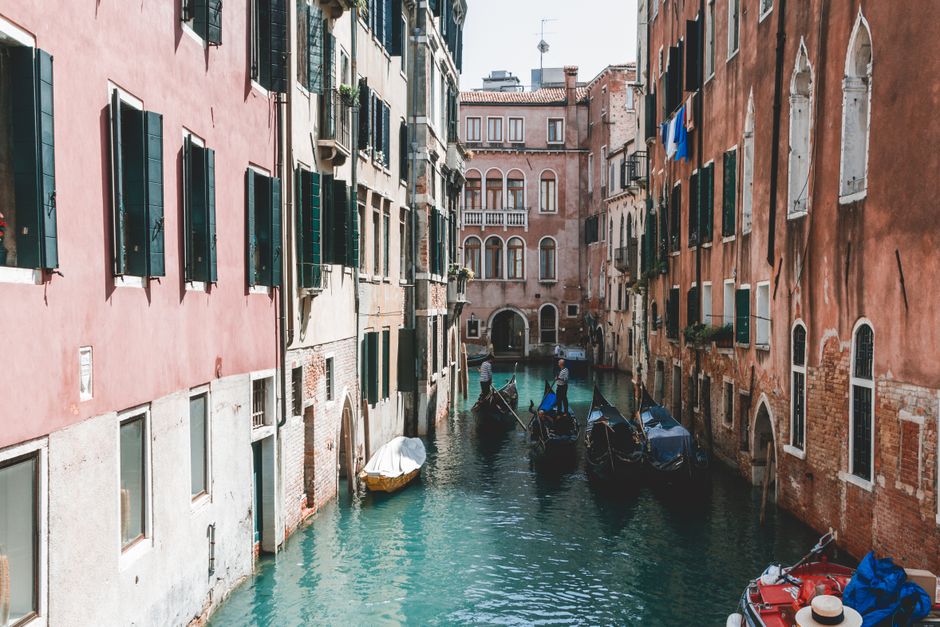
Venice exists at a slight angle to normal travel logic. No cars, no buses, no metro. 118 islands, 400-odd bridges, and a canal system that baffles navigation apps. Getting the most out of it means abandoning most of the assumptions you use in every other city.
Getting Lost Is the Point, But Not Without a Strategy
Venice is a walking labyrinth. Google Maps regularly routes you across bridges that don't exist, down dead ends at canal edges, or through passages so narrow two people can barely pass. Most visitors get lost. Many love it. Some waste significant time.
Know the six sestieri (city districts) before you arrive: San Marco, Cannaregio, Castello, Dorsoduro, San Polo, and Santa Croce. Understand roughly where your accommodation sits in relation to St Mark's Square and the Rialto Bridge — the two main orientation points — and you can self-correct when you wander.
Vaporetto Costs Are Not Cheap
The vaporetto (water bus) is Venice's main public transport. A single journey costs €9.50. That is not a misprint. A 24-hour unlimited pass costs around €25, which becomes worthwhile fast if you're making more than a couple of trips.
Most visitors underestimate this. Factor it into your accommodation and transport budget before you arrive, especially if you're staying away from the core and plan to take the vaporetto regularly.
The Day-Trip Crowd Problem Is Real
On a busy summer day, Venice receives more day-trippers than overnight guests. This matters because the crowds thin dramatically after 6 PM when the coaches leave and the tourist ferries stop running. Early morning — before 9 AM — and early evening are the quietest, most beautiful times in the city.
If you're staying overnight, this is one of your genuine advantages. Use it. Venice at 7 AM or 8 PM is a different city.
St Mark's Basilica Requires a Plan
St Mark's Basilica does not charge general admission to enter the main church, but the queues can be very long. Pre-booking a timed entry slot online is available and dramatically cuts your wait. The Pala d'Oro altarpiece and the Treasury do charge separately and separately have their own queues.
Arriving at opening time (typically 9:45 AM) or late afternoon reduces the wait without pre-booking, but the queue can still be substantial in peak season.
The Gondola Price Is Fixed and High
Gondola rides cost €90 for up to 40 minutes during the day, more after 7 PM. The price is officially regulated. Anyone quoting substantially less is either wrong or offering a much shorter ride. This is not a scam — it is simply an expensive experience. Know the price before you approach a gondoleer to avoid the awkwardness of negotiating something that doesn't negotiate.
If you want a cheaper water experience, traghetti (standing gondola ferries) cross the Grand Canal at several points for about €2. It's short but a genuine piece of local transport infrastructure.
Eating Well Requires Leaving the Main Tourist Trail
The restaurants around St Mark's Square and the Rialto Bridge are famously overpriced and often average. A cicchetti bar (the Venetian version of tapas, served at the counter) is a far better lunch than a sit-down tourist menu near the main sights. Cannaregio and parts of Castello have better value, more local-facing options.
The tourist menu trap is particularly pronounced in Venice because landlocked resupply costs are genuinely higher here — but that doesn't justify every restaurant near the basilica.
Murano, Burano, and Torcello All Need More Time Than You Think
The outer islands are worth visiting but each one takes longer than expected to reach. Murano is the closest (10-15 minutes by vaporetto). Burano is genuinely far (45 minutes minimum). Torcello is further still.
If you try to visit all three in a single day, you will spend most of it on a vaporetto and see each island hurriedly. Choose one or two and do them properly.
The Heat and Humidity in Summer
July and August in Venice are hot, humid, and occasionally smelly. The canals in high summer, particularly in still weather, have a noticeable low-tide odour. The crowds compound the heat effect in narrow streets and covered passages.
April, May, October, and November offer much better conditions for walking. Winter Venice (excluding Christmas week) is cool, occasionally foggy, and extraordinarily beautiful.
Acqua Alta (High Water) Is Seasonal
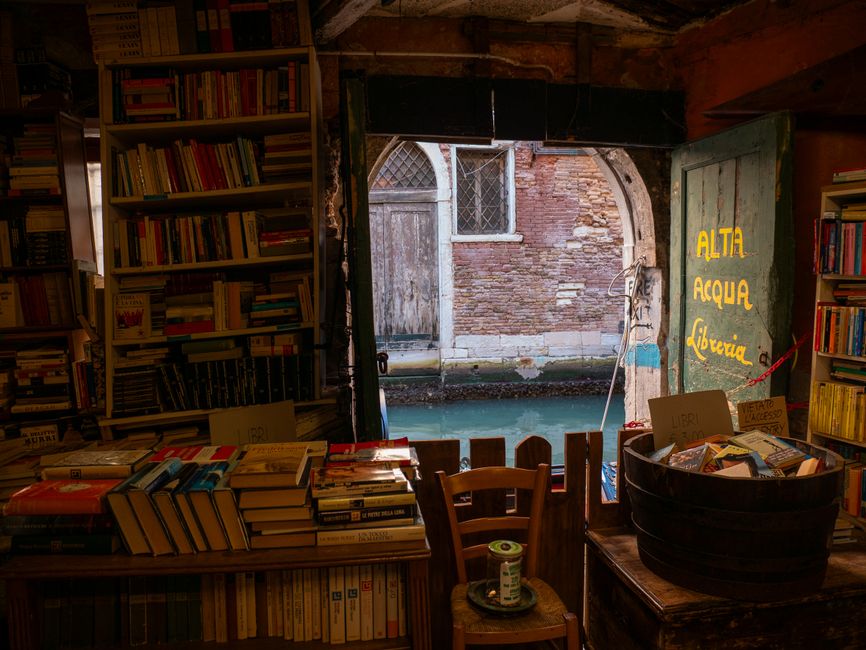
Venice floods. Acqua Alta (high water) happens most frequently between October and January, when tidal surges push water up through the drains and into the streets. The city has elevated walkways (passerelle) it deploys when flooding is forecast. It rarely disrupts a visit significantly, but it is worth knowing about, checking forecasts before arrival, and packing waterproof footwear if visiting in autumn or winter.