ConciseTravel
Venice in February is defined by one thing: Carnival. The Venice Carnival (Carnevale di Venezia) runs for approximately two weeks in February, ending on Shrove Tuesday, and it is genuinely spectacular. Masked figures in elaborate period costumes in St Mark's Square, water processions on the Grand Canal, and evening events across the city create an atmosphere that is unlike anything else in Europe. The price is real: hotels during Carnival are among the most expensive in the city's calendar. Outside Carnival, early February is cold, quiet, and one of the most beautiful and affordable times to visit Venice.
Weather
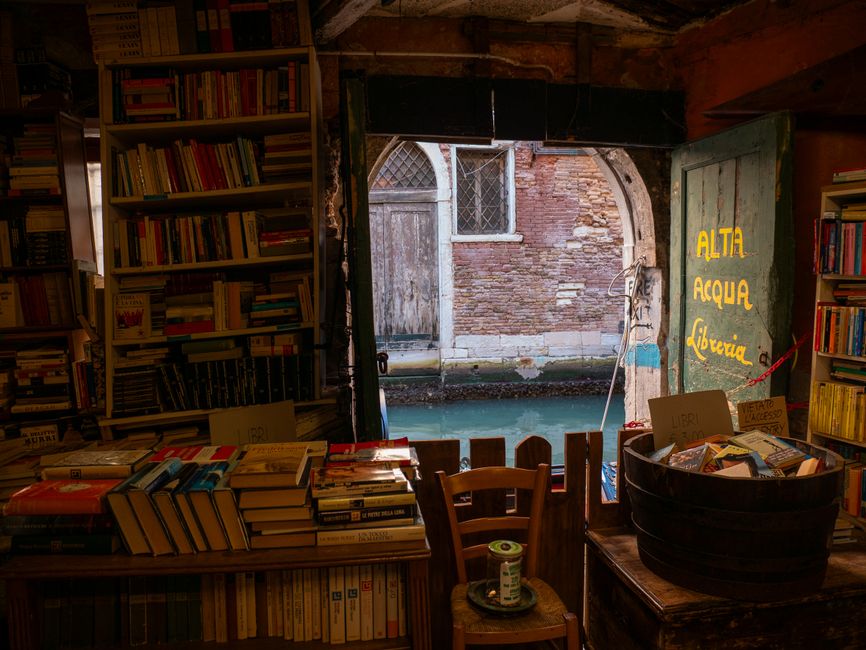
February averages 2C to 8C. It is cold and can be damp. Acqua alta (high water flooding) is possible in February, particularly in St Mark's Square, which is the lowest point of the city. Elevated walkways (passerelle) are placed when flooding occurs and are navigable. Pack waterproof boots that cover the ankle. Fog on the Grand Canal in the morning is a specific Venice phenomenon and is genuinely atmospheric.
Crowds and Prices
February outside Carnival is as quiet as Venice gets: St Mark's Basilica, the Doge's Palace, and the Rialto Bridge are all walkable without the crush. During Carnival, particularly the final weekend, the city fills and prices across accommodation, restaurants, and experiences spike significantly. Vaporetto queues are longer, some areas of St Mark's Square are controlled, and the overall visitor pressure is high by any standard.
What's On
Venice Carnival is the only February event that matters. The masked balls and private events require tickets and significant budget; the public spectacle in St Mark's Square and along the canal is free. The Flight of the Angel (Volo dell'Angelo), a person in costume descending by zip wire into St Mark's Square, opens the Carnival officially. The final days before Shrove Tuesday are the most intense.
One Thing to Watch
Acqua alta is a practical consideration in February. Check the CPSM tide forecast (Centro Previsioni e Segnalazioni Maree) before heading to the lowest areas of the city, particularly around St Mark's. The flooding rarely affects higher ground areas like Dorsoduro and Cannaregio significantly. Waterproof boots with a 15-20cm shaft are the practical solution and many locals wear them throughout winter.
The Venice city guide covers the Grand Canal, the neighbourhoods, and how to navigate the city.
Master Venice in Minutes
Don't waste hours planning. Get our condensed, digital cheat sheet with everything you actually need.
Shop Guide on Etsy →