 ConciseTravel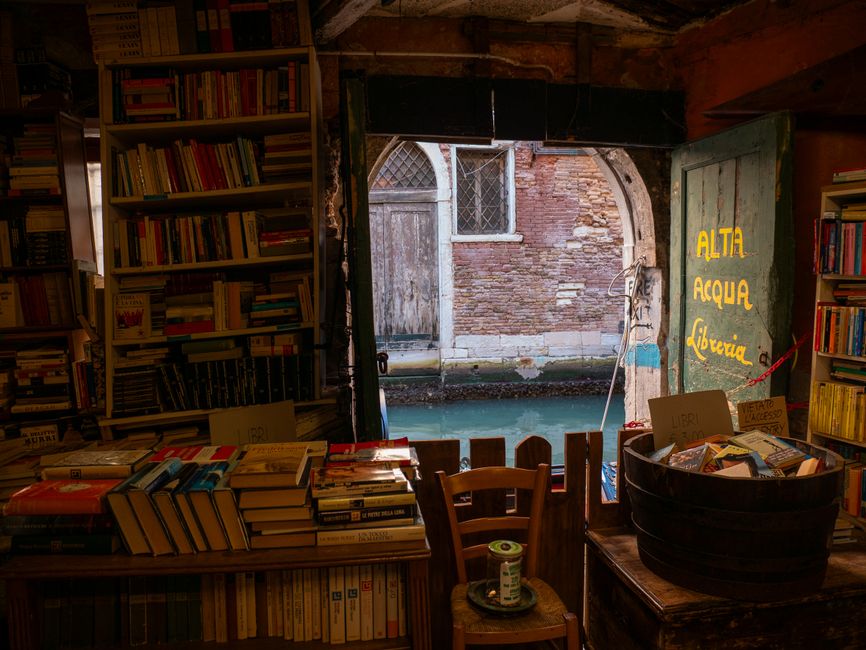
Venice in October is one of the best arguments for shoulder season travel anywhere in Europe. The summer cruise ship crowd has largely dispersed, the narrow streets of Dorsoduro and Cannaregio have space, and the city, which is extraordinary at any time, becomes something you can actually experience rather than simply survive. October does come with its own challenge: acqua alta, the seasonal flooding. It's manageable with the right approach and the right footwear.
Weather
Expect 15-19°C in early October, cooling to 12-15°C by late October. Rain increases through the month and the November acqua alta season begins in earnest. Early October is genuinely pleasant for exploring on foot. Late October is when the weather starts to make demands. The autumn light over the canals and the Grand Canal is beautiful and lower than summer, giving the city's palette of ochre, terracotta, and stone a quality that's worth experiencing specifically in this season.
Crowds and Prices
Dramatically quieter than summer. Venice was at such extreme capacity in summer that the city implemented day-visitor fees for the historic centre. By October, this pressure eases and the city returns to something closer to itself. Hotel prices drop from summer levels. The acqua alta boardwalks (passerelle) go up around the city in October but they're part of the Venetian experience rather than a crisis. San Marco is the most flood-prone area.
What's On
The Venice Film Festival wraps in early September, leaving the city in a post-event quiet period through October that suits casual visitors very well. The Biennale (art or architecture, in alternating years) runs until November, so October visitors often have the tail end of a major Biennale exhibition to explore across the Arsenale and Giardini. The city's cultural programme, its churches, galleries, and the Doge's Palace, runs year-round.
One Thing to Watch
Acqua alta is not a reason to avoid Venice in October, but it requires preparation. Rubber boots (stivali di gomma) are available to rent throughout the city. The flooding is typically limited to low-lying areas around San Marco and is predictable: the city posts acqua alta forecasts and sounds sirens before major events. Keep an eye on the Venice tide forecast on your phone, wear waterproof footwear, and treat the boardwalks as part of the experience. It's genuinely interesting to watch the city respond to something it has managed for centuries.
Master Venice in Minutes
Don't waste hours planning. Get our condensed, digital cheat sheet with everything you actually need.
Shop Guide on Etsy →


