ConciseTravel
Venice in January is a very different city from the summer version, and in most respects a better one. The crowds are gone, the fog rolls in across the lagoon, and the city is operating for the people who actually live there. The Basilica, the Doge's Palace, and the Grand Canal are as magnificent as ever, just with far fewer people sharing them with you.
Weather
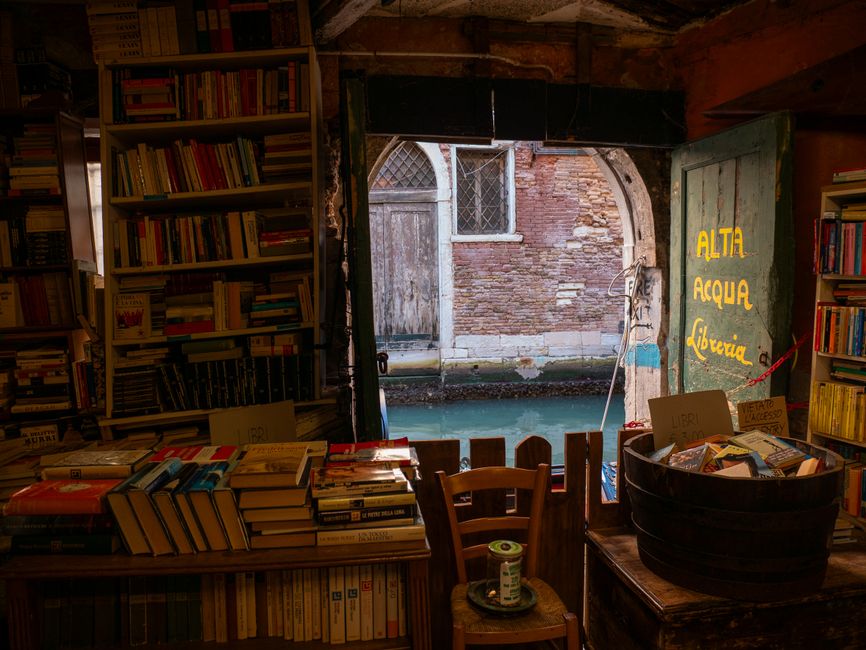
January temperatures range from 1°C to 8°C. Fog is common, particularly in the mornings, and it creates an atmosphere that Venice in August simply cannot replicate. Acqua alta (high water flooding) is still possible in January. Waterproof boots are essential, not just recommended. A warm coat and layers complete the practical kit.
Crowds and Prices
January is deep low season except for the very end of the month if Carnevale starts. The Doge's Palace, St Mark's Basilica, and the Rialto Bridge are all accessible without the summer scrum. Hotel prices on the main islands are among the lowest of the year, which for Venice is significant.
What's On
Venice Carnevale begins in late January or February (dates shift each year). If your visit overlaps with the opening weekend of Carnevale, expect the city to transform rapidly with costumes, masks, and events. Check the exact dates. Outside of that, January is quiet. The Biennale palazzi are closed. The theatre and opera season at La Fenice is active.
One Thing to Watch
Acqua alta tide alerts are common in winter. Download the Venice tide alert app or check forecasts daily. High water can temporarily close access to St Mark's Square and affect ground-floor areas. It passes quickly but can disrupt a few hours of sightseeing.
Our Venice guide covers the key sites, the vaporetto network, and how to navigate the city without getting lost in the alleyways.
Master Venice in Minutes
Don't waste hours planning. Get our condensed, digital cheat sheet with everything you actually need.
Shop Guide on Etsy →