 ConciseTravel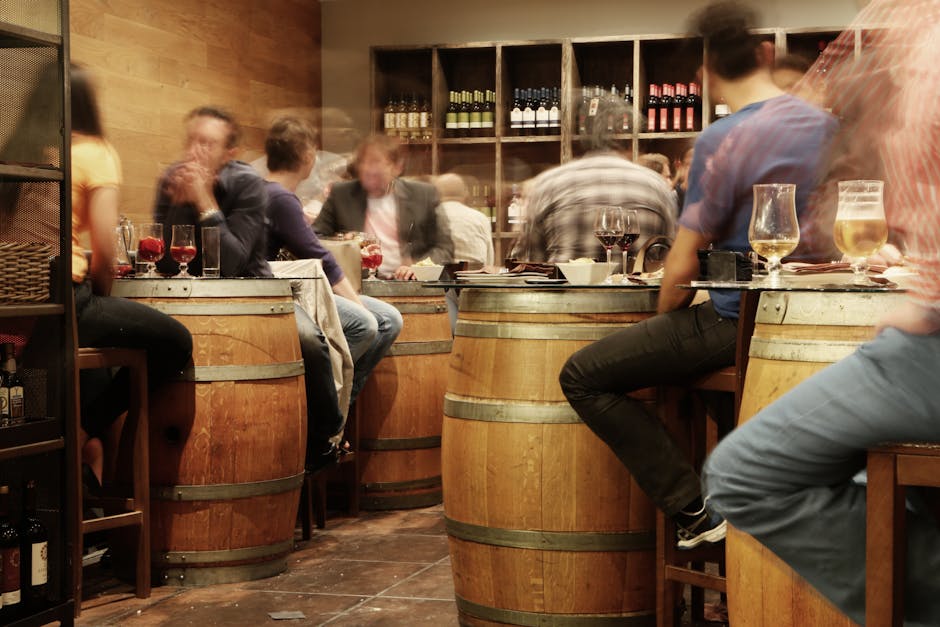
Venice invented the aperitivo tradition before it was called that. The cicchetti (pronounced chi-KET-ee) are small bites served at bacari — Venetian wine bars — and eating them standing at the counter with a glass of wine or Spritz is as Venetian a ritual as riding a gondola, and costs about one-eighth as much.
What Cicchetti Actually Are
Cicchetti are small snacks, typically served on bread or a toothpick, eaten in one or two bites. The classics:
Baccalà mantecato: whipped salt cod, smooth and creamy, served on grilled white polenta or bread. The most quintessentially Venetian cicchetto. If you eat one thing from a bacaro, eat this.
Sarde in saor: marinated sardines with onions, pine nuts, and raisins — a medieval sweet-and-sour preservation technique. Complex, interesting, and available almost nowhere outside the Veneto.
Crostini: small rounds of toasted bread with toppings — liver pâté, gorgonzola with walnuts, tuna and caper, salt cod. These are the workhorses of the bacaro counter.
Polpette: fried meatballs, usually beef and herbs. Reliable at any bacaro.
Moeche (seasonal, spring and autumn): soft-shell crabs fried whole. Small, delicious, and a genuine delicacy. Only available when available.
Price: €1.50–3 per piece. A filling evening of cicchetti across three or four bacari costs €15–25 per person including wine.
What to Drink
Ombra: a small glass of house wine — literally "shadow," named because wine sellers used to follow the shade of the Campanile to keep wine cool in the sun. The cheapest and most traditional drink at a bacaro. €1–2.
Spritz: Aperol or Campari, Prosecco, and a splash of sparkling water, served with an olive. The Venetian aperitivo, now global. In Venice it costs €3–5 and is consumed at approximately 6 PM. Campari Spritz is darker and more bitter; Aperol Spritz is lighter and sweeter.
Prosecco: a glass of house prosecco is €3–5 at most bacari.
The Best Areas
Cannaregio, Fondamenta degli Ormesini and degli Apostoli: the canal-side fondamenta in Cannaregio fill with locals and visitors in the early evening, spilling out of bacari onto the street with their glasses. The least tourist-oriented stretch of bacaro culture in Venice.
Rialto area: around Campo San Giacomo di Rialto and the side streets off it — good density of bacari, slightly more mixed tourist/local crowd.
Dorsoduro, around Campo Santa Margherita: more student-heavy, a bit livelier, good for later in the evening.
How to Do a Bacaro Tour
Start around 6 PM. Walk into your first bacaro, stand at the counter, point at what looks good, and order a drink. Eat two or three cicchetti. Leave after one drink. Walk to the next bacaro. Repeat three or four times. Total time: 90 minutes to 2 hours.
The cicchetti sitting in trays behind the glass counter have been there since the morning at most bacari — the freshest ones are put out around 6–7 PM for the aperitivo hour. Ask "freschi?" if you're not sure.
Our Take
A bacaro tour at 6 PM in Cannaregio, three stops, baccalà mantecato and a Campari Spritz at each: this is the authentic Venice that costs €15 and no queue.
Master Venice in Minutes
Don't waste hours planning. Get our condensed, digital cheat sheet with everything you actually need.
Shop Guide on Etsy →