 ConciseTravel
Venice and Florence are 2 hours apart by Frecciarossa and sit at the top of most first-time Italy itineraries for good reason. Both are art and architecture cities that can absorb several days each. The difference is in the pace: Venice moves at water speed, Florence at walking speed, and that distinction matters when you're planning how long to spend in each.
Why This Combination Works
These two cities define the Italian Renaissance from different angles. Venice built its wealth and art through maritime trade; Florence built its through banking and the Medici. The painting styles, the architecture, and the street-level character of each city reflect those different origins. Visiting them together is an art history trip whether you intend it to be or not, and also an excellent food and wine trip.
Recommended Split
For a 7-day trip: 3 nights Venice, 4 nights Florence. Florence edges it for time because the Uffizi, the Accademia (to see David), the Duomo, Oltrarno, and a day trip to Siena or Chianti are each worth half a day to a full day.
For a 5-day trip: 2 nights Venice, 3 nights Florence. Works well. Venice in two days is compressed but the main sights are concentrated.
For a 4-day trip: 2 nights each. Tight but the cities are compact enough to manage the core in two days each.
Getting Between the Cities
Frecciarossa trains run Venice Santa Lucia to Florence Santa Maria Novella in 2 hours to 2 hours 10 minutes. Multiple departures daily. Book through Trenitalia or Italo. Prices range from 15 to 60 euros depending on class and how far ahead you book. Italo often has competitive fares on this route. Regional trains take closer to 3 hours and aren't worth the saving.
Which City to Visit First
Start in Venice. It's the more unusual city and the one where first-time visitors tend to feel more disoriented, which is fine when you have energy at the start of a trip. Finishing in Florence is also practical: Florence has a larger airport (FLR) with reasonable European connections, or a quick connection to Rome Fiumicino if you're flying long-haul.
What Each City Adds to the Trip
Venice
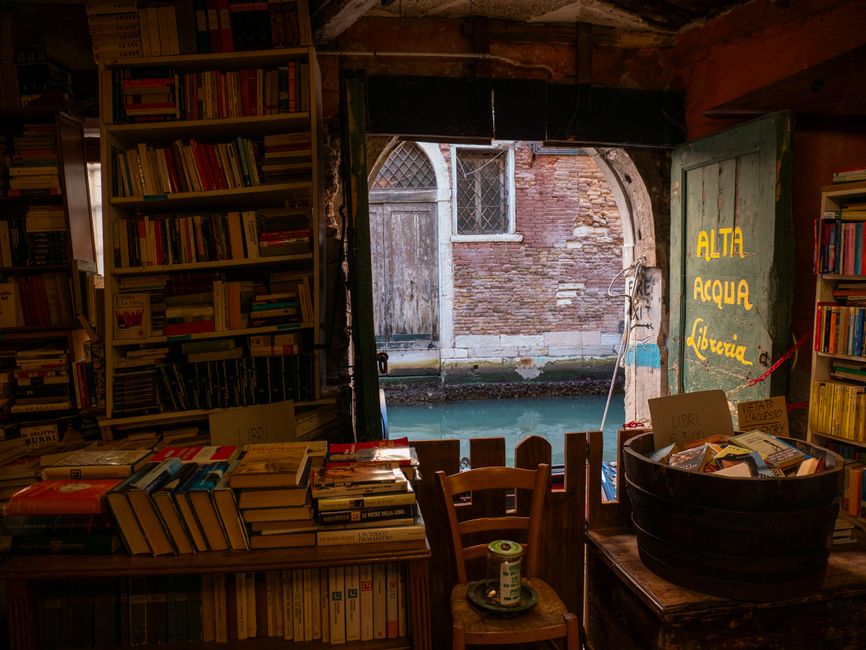
Venice adds the unique: a city without cars or straight streets, where the main form of public transport is a boat. The Grand Canal, the Rialto market, St Mark's Basilica, the Doge's Palace, and the neighbourhoods of Castello and Dorsoduro away from the main tourist crush. Early mornings in Venice, before the day-trip crowds arrive, are genuinely atmospheric.
Florence
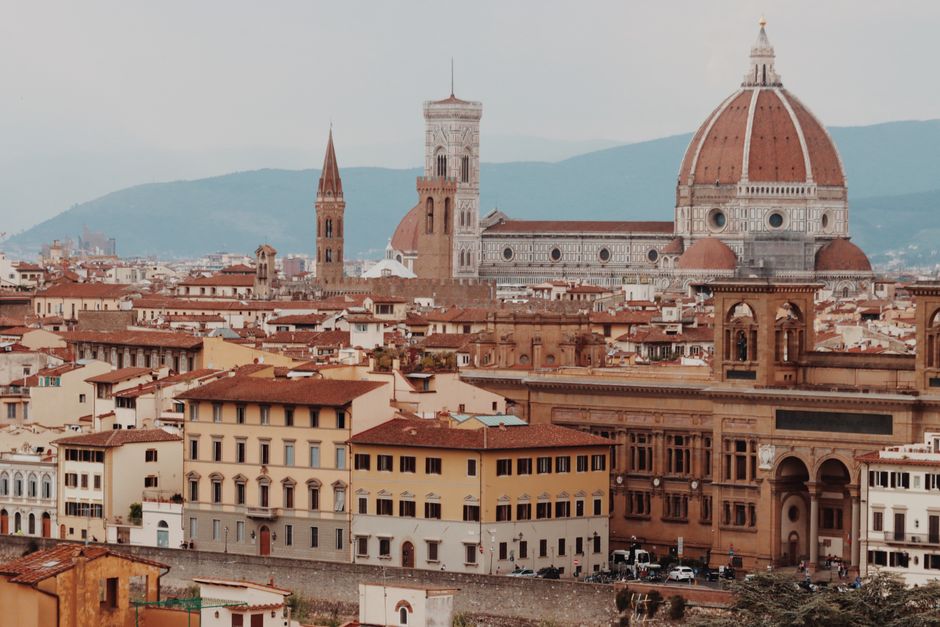
Florence brings the Renaissance heavyweights: the Uffizi (book weeks in advance), Michelangelo's David at the Accademia, the Duomo and Brunelleschi's dome, the Ponte Vecchio, and the Oltrarno neighbourhood on the south bank of the Arno where you eat and drink better than anywhere near the main sights. The Boboli Gardens are a decent place to decompress after museum overload.