 ConciseTravel

Yes. Winter is when Venice feels most like itself. The day-trippers thin out, the canals are wrapped in mist and you can stand on the Rialto Bridge without being carried along by a crowd. The trade-offs are cold, damp weather and the chance of high water. If you're prepared for those, it can be the most memorable time to go.
What winter in Venice is like
- Temperature: cold and damp, often in single figures °C, sometimes near freezing at night.
- Fog: common, especially in the mornings. Atmospheric for photos, chilly to walk through.
- Light: low and soft, short days.
- Crowds: much lighter than the rest of the year, apart from the Christmas holidays and Carnival in February.
What about acqua alta?
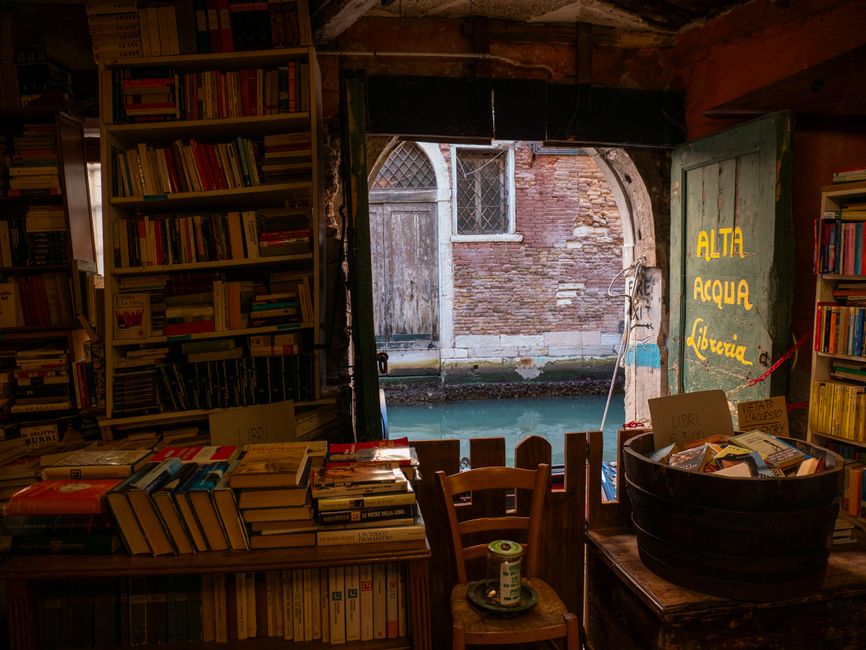
Acqua alta (high water) is a seasonal flood when tides push water into the lowest parts of the city, especially around St Mark's Square. It is most common from late autumn into winter.
- It usually lasts a few hours around high tide, not all day.
- Sirens and city alerts warn of high tides in advance.
- Raised walkways appear in key areas, and you can buy cheap plastic boot covers locally.
- The MOSE flood barrier now protects the city from the higher tides much of the time, which has reduced the disruption.
It's an inconvenience rather than a reason to stay away, as long as you keep an eye on the forecast.
Why winter is worth it
You can actually see the city. St Mark's Square at 8am in January, empty and misty, is unforgettable. Booking St Mark's Basilica skip-the-line tickets (GetYourGuide) is still worth it, but the queues are shorter.
Hotels are cheaper. Outside the Christmas and Carnival periods, winter is some of the best-value time to stay in Venice, including on the canals.
Bàcari are at their cosiest. Venetian wine bars serving cicchetti, small bites, are perfect for cold evenings.
The downsides
- Cold, damp weather that gets into your bones. Pack warm layers and waterproof shoes.
- Some restaurants and hotels close in January for their annual break.
- Carnival (usually February) is the exception, with very high demand and prices.
Who should go
Winter Venice suits couples, photographers, slow travellers and anyone who's visited in summer and hated the crowds. It's less good for travellers who want to spend long days on islands like Burano, where the cold wind on the water can be bitter.
What to pack for winter in Venice
- Warm layers. Venice is damp and cold in winter.
- Waterproof boots in case of acqua alta. Disposable plastic boot covers are sold around the city when the water rises.
- A waterproof jacket and an umbrella.
- A small torch or phone light for dark, narrow alleys.
Getting there in winter
Venice has flights from the UK through the winter, to Marco Polo and Treviso airports. From Marco Polo, buses and water buses reach the city.
Is it worth it?
Yes, for travellers who want to see Venice at its most atmospheric and least crowded. If you want sunny days and outdoor dining, go in spring or autumn.