 ConciseTravel
Seville in winter is the version of the city that locals actually get to enjoy. The Alcazar is accessible without standing in a two-hour queue. The tapas bars have room at the bar. The Barrio Santa Cruz streets are navigable and genuinely charming rather than overwhelmed by people trying to photograph them. The weather is mild by any northern European standard. Come prepared for cool temperatures and light rain and Seville in winter is an excellent, relaxed city break.
The Real Winter Temperature Story
Seville in December averages 14-16C. January is the coolest month, typically 12-15C during the day and dropping to 5-7C at night. February is similar, often with warmer sunny spells hinting at spring. These are genuinely mild temperatures. Frost is possible in the early mornings but rare. Snow in central Seville is essentially unheard of.
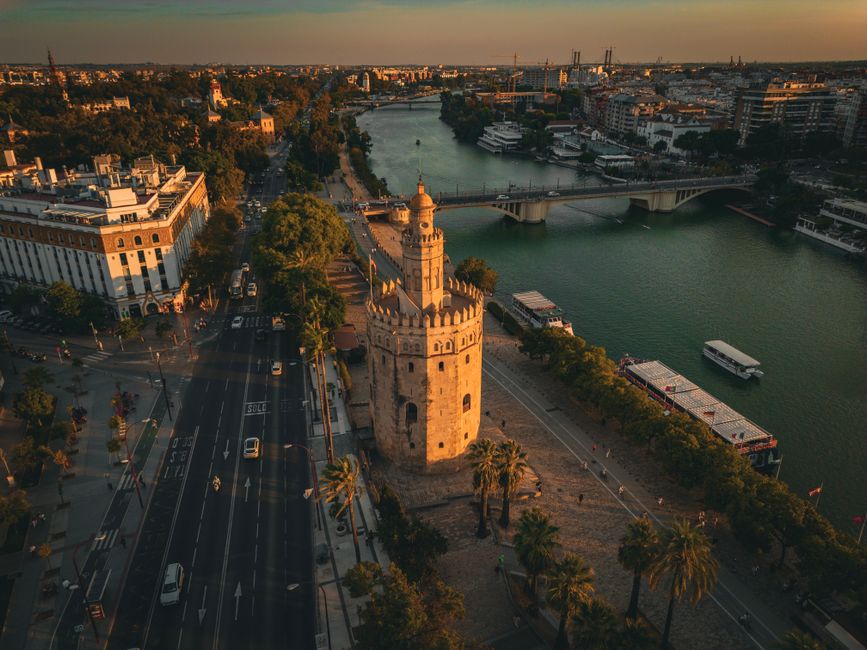
Rain is the honest variable. Seville's rainy season runs November through February, and while the city gets far less rainfall than Atlantic Europe, when it does rain it can do so persistently for a day or two. The Guadalquivir riverside can feel sharp in wind on overcast days. Seville's winter is one of the most pleasant in Europe for a city break: cool enough to walk all day comfortably, rarely cold enough to be a genuine inconvenience.
City-Specific Cold-Weather Must-Haves
A medium jacket. Not a heavy winter coat, but something with genuine warmth. A wool blend jacket, a light padded jacket, or a smart trench coat handles most Seville winter days and evenings. Evening temperatures at 6C after a day in the sun are meaningfully cooler than the daytime figure suggests.
A waterproof layer for rainy days. When Seville's winter rain arrives it can be persistent. A compact rain jacket or waterproof layer over your mid-weight jacket handles the wettest days without requiring dedicated rain gear.
Smart-casual clothes for tapas evenings. Seville's tapas culture is one of the best in Spain. The bars around the Triana neighbourhood and the El Arenal area have a social culture that benefits from looking slightly put-together. A nice jumper and decent trousers or jeans covers the occasion.
Comfortable walking shoes. The Alcazar gardens, the Santa Cruz labyrinth of streets, and the Triana bridge walks all involve significant time on your feet. Something comfortable for a full day of walking that also handles cobblestone surfaces well.
A light scarf. For cool mornings, riverside walks, and the temperature drop after dark.
Layers you can add or remove. The swing from a warm January noon to a cool evening is significant enough that layering beats one fixed heavy outfit.
What to Leave Behind
Heavy cold-weather gear. Seville in January does not need it. The mild temperatures mean a medium jacket and layers cover everything.
Only summer clothing. January evenings at 6C in Seville require genuine warmth. Light clothing without layers will not be enough.
Sandals as your sole footwear. Fine on warm sunny afternoons but impractical on cooler days and in any rain.
Formal or delicate shoes. Seville's cobblestone streets are uneven. Practical, comfortable footwear serves better than formal options here.
Packing it Together
Medium jacket, waterproof layer for rain, smart-casual tapas clothes, comfortable walking shoes, and a light scarf. Seville in winter is an excellent value, relaxed city break with some of Spain's finest architecture, food culture, and off-season atmosphere all working in your favour.
The ConciseTravel Seville guide covers the Alcazar booking, the Cathedral, the best tapas bars, and the Triana neighbourhood: https://concisetravelguides.etsy.com/uk/listing/4473296231/seville-travel-guide-itinerary-planner
Master Seville in Minutes
Don't waste hours planning. Get our condensed, digital cheat sheet with everything you actually need.
Shop Guide on Etsy →