 ConciseTravel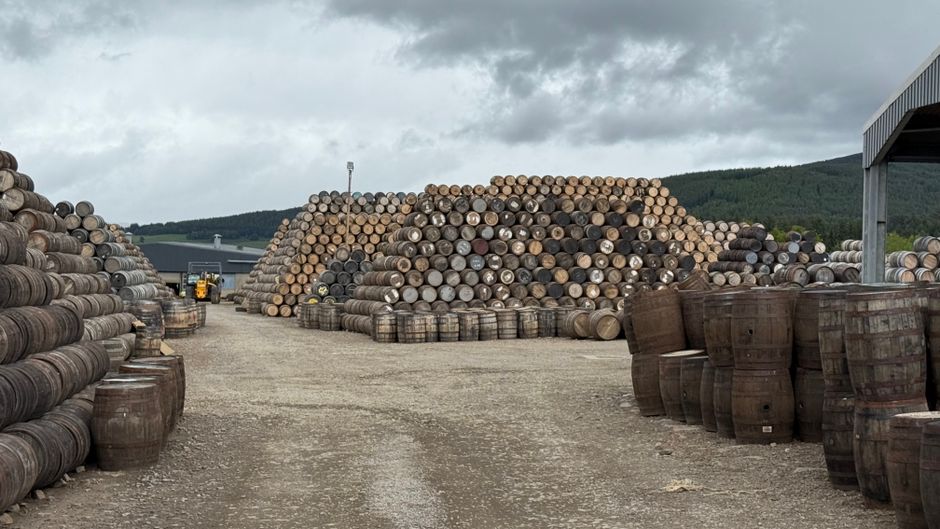
The Scottish Highlands and Islands produce some of the most distinctive whiskies in the world. Visiting a distillery is not just for whisky enthusiasts; it is a genuine insight into Highland culture, landscape, and craft. The best tours connect the character of a whisky directly to its environment: the peat, the water, the Atlantic air.
Here is how to approach it if you are relatively new to whisky, and which distilleries are worth your time in the Highlands and Islands.
A Quick Map of Highland and Island Whisky
Before you visit, it helps to understand that Highland and Island whiskies vary enormously. The main variables are:
Peat: Peat smoke is used to dry the malted barley in some whiskies. It creates the distinctive smoky, medicinal character associated with island whiskies like Talisker and all the Islay malts. Some Highland whiskies use no peat at all and are light and fruity. Others use a small amount for a hint of smoke. This is the biggest flavour variable between regions.
Water: Each distillery uses local water, often from specific Highland burns or springs. The mineral content of the water contributes to the flavour of the whisky.
Barrels: Scotch whisky must be aged in oak barrels for a minimum of 3 years. Most single malts are aged for much longer. The type of barrel (ex-bourbon, ex-sherry, ex-wine) significantly affects the final flavour.
Talisker (Isle of Skye)
Talisker is one of the most well-known island whiskies. The distillery sits on the western shore of Skye near Carbost, overlooking Loch Harport with the Black Cuillins behind.
The whisky is heavily peated with a maritime character: salt, smoke, and a warming finish that has been described as like the island itself. It is a bold introduction to island whisky.
The distillery tour covers the production process from malting to distillation. The setting alone justifies a visit, and the tasting at the end is generous.
Book in advance in summer. Tours fill up quickly. Check the Diageo/Talisker website for current offerings; they range from standard tours to premium tasting experiences.
Highland Park (Orkney)
Highland Park in Kirkwall is one of the most northerly whisky distilleries in the world and one of the few that still uses its own floor malting (producing some of its own malt on site, the traditional way). The distillery also cuts its own peat from Orkney moorland, which has a different character from Islay peat due to the heather content.
The result is a whisky with moderate peat, heathery sweetness, and a rounded complexity that makes it approachable for people who find heavily peated whiskies overwhelming.
Tours here are excellent and run regularly. The distillery museum is worth time in its own right, covering the history of whisky production on Orkney.
Oban (on the Edge of the Highlands)
Oban Distillery sits right in the centre of the small coastal town of Oban, squeezed between the main street and the hillside. It is a tiny operation by distillery standards, which means the character of the spirit is relatively consistent year to year.
The whisky is lightly peated with maritime notes: gentle salt and sea air rather than the heavy smoke of Talisker. It is an excellent introductory island whisky.
The tour shows the entire distillery in one compact building. Because Oban is a ferry port hub for the Hebrides, it is easy to visit while waiting for a sailing or on the way through.
Other Distilleries Worth Noting
Glenmorangie near Tain on the east coast: produces a range of single malts, many finished in unusual cask types. The Nectar d'Or (Sauternes cask finish) is a remarkable thing. The distillery is large and tours are well organised.
Dalmore near Invergordon: rich, dark, heavily sherried whiskies. Known for extremely old expressions and collector bottlings.
Balblair in Edderton: smaller and less visited, making it a more personal experience. Good for people who want the distillery without the coachloads.
Wolfburn near Thurso: one of the most northerly distilleries on the mainland. A newer operation (2013) but producing well-regarded spirit.
Beginner's Tasting Guide
If you are new to whisky, approach a distillery tasting like this:
- Nose before tasting. Hold the glass at chest height and breathe in before raising it to nose. The vapours are intense and nosing too directly can overwhelm you
- Add a few drops of water. A small amount of water "opens up" the whisky, releasing different aromas and softening the alcohol burn. This is accepted practice, not dilution
- Start with lighter whiskies. If given a choice, start with the least peated option on a tasting flight and move toward the smokier ones
- Notice the finish. After swallowing, the flavours that remain and develop in the next 30 to 60 seconds are what whisky people call "the finish." This is often the most interesting part