 ConciseTravel
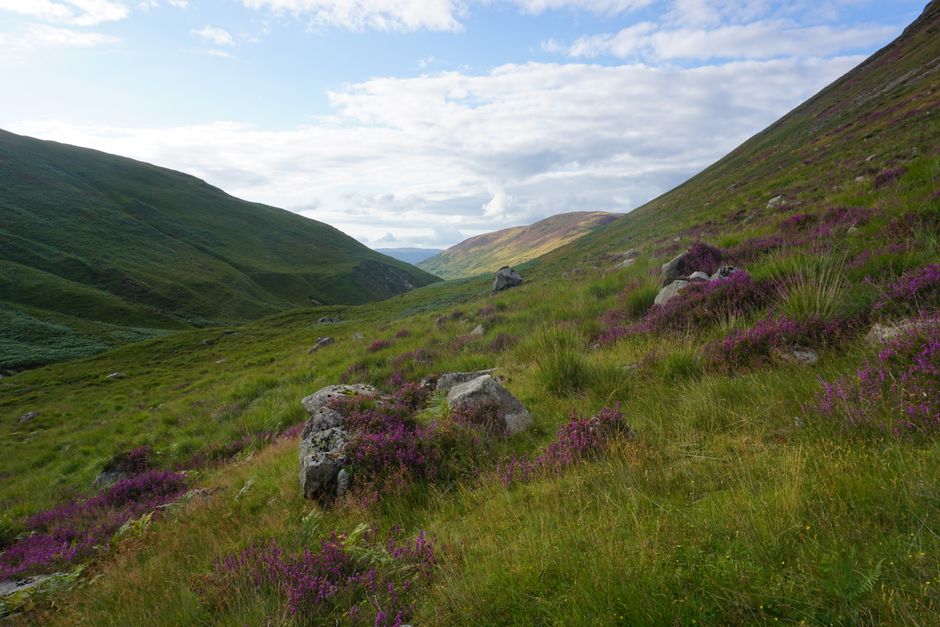
The Scottish Highlands in August are as good as they get, with the important caveat that "as good as they get" still involves midges, unpredictable weather, and roads that occasionally require passing places. August offers the longest days of usable light, the most accessible high routes, and the best chance of views that make the effort worthwhile.
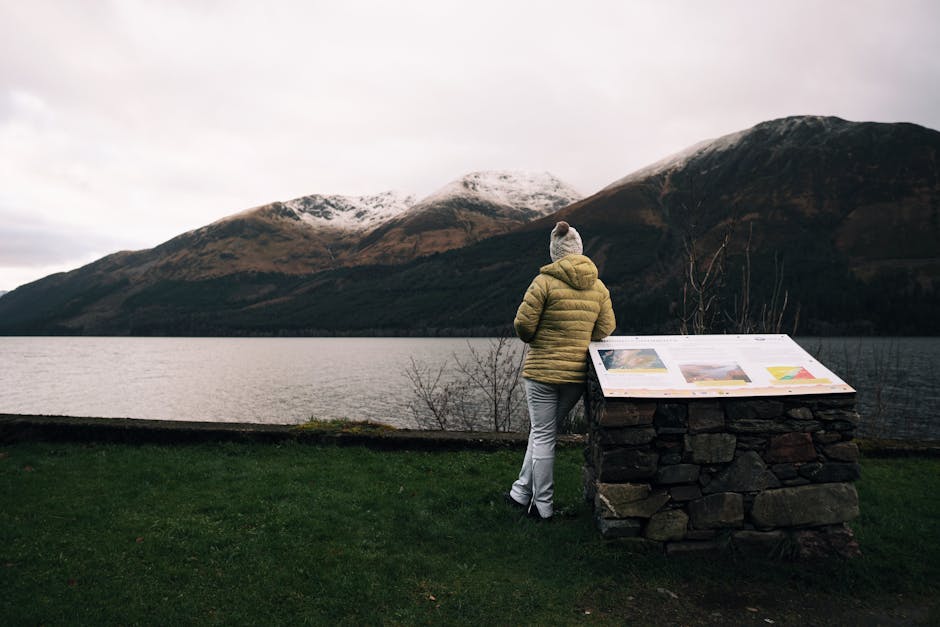
Come for the mountains, the lochs, and the feeling of space that's genuinely hard to find in Britain. Go in prepared.
Weather
August averages 16 to 18 degrees Celsius in the glens, cooler on the higher tops. The Highlands make their own weather, and a clear morning can become a cloud-covered afternoon with startling speed. Rain is always possible. For any serious walking, waterproofs, layers, and appropriate footwear are non-negotiable. The West Coast, around Torridon, Knoydart, and Glencoe, is significantly wetter than the East (Cairngorms, Braemar).
The light in August, particularly in the evenings and at sunrise, is exceptional. Pink alpenglow on Ben Nevis or Buachaille Etive Mor in clear August conditions is the kind of thing that brings people back.
Crowds and Prices
August is the peak month for Highland tourism. The NC500 (North Coast 500) route is busy with campervans and motorhomes. The car park at Glen Coe is full by 10 AM on any decent day. Loch Ness at Drumnadrochit is very tourist-heavy, though the loch itself on quieter access points north and south is calmer.
B&Bs and small hotels in Torridon, Dingwall, Aviemore, and Pitlochry book up months in advance in August. Wild camping is legal in Scotland under the Land Reform Act, which gives August visitors more flexibility than in England.
What's On
The Braemar Gathering, the most famous Highland Games event, takes place in early September rather than August. The Black Isle Show near Inverness typically runs in August, a traditional agricultural show worth attending if you're passing through.
One Thing to Watch
Midges. The Highland midge, a tiny biting insect, reaches peak population and activity in July and August, particularly in still, damp conditions near water and woodland. Midge forecasts are available online (Scottish Midge Forecast). The insects are most active at dawn and dusk. A good midge net hat, Smidge or Avon Skin So Soft (the unofficial midge repellent of choice), and avoiding standing still in midge territory at dusk are basic operational requirements for August Highland travel.