ConciseTravel
The Scottish Highlands in January is genuinely dramatic, genuinely cold, and genuinely not for everyone. If you want snow-capped mountains, frozen lochs, and landscapes with almost no one else in them, January delivers. If you need predictable weather, full visitor services, and comfortable walking conditions, come back in May or September.
Weather
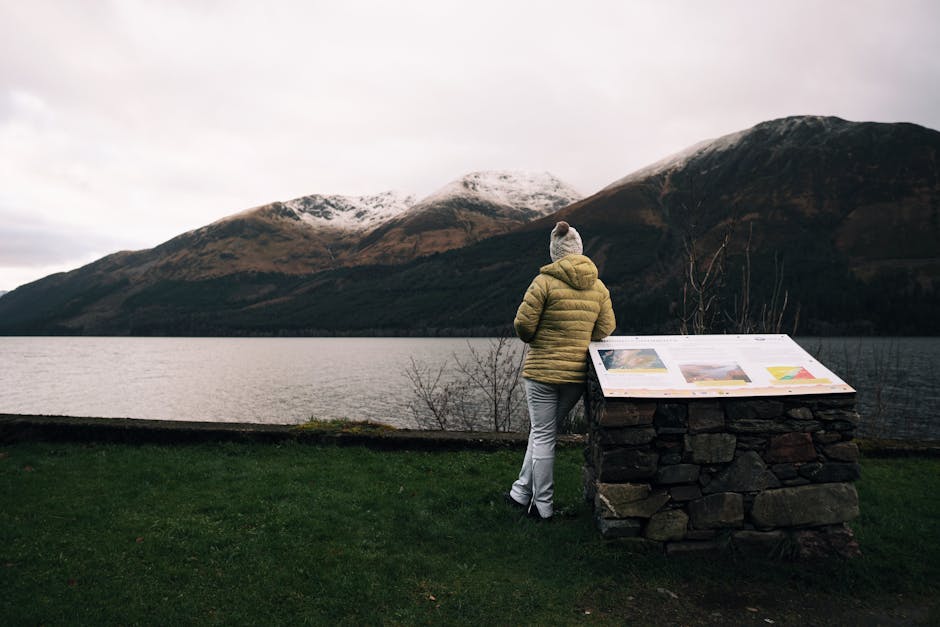
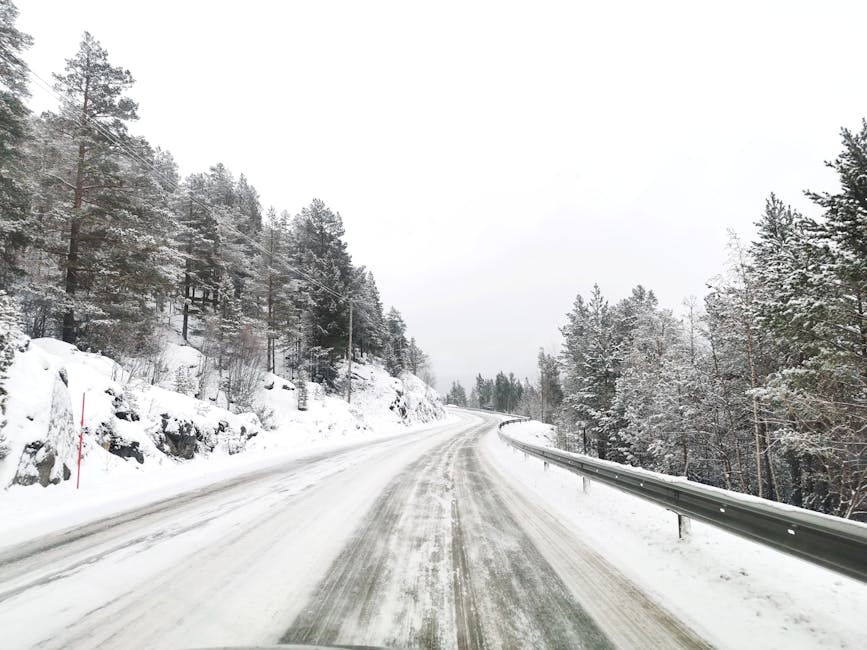
January temperatures in the Highlands range from -5°C to 6°C, with the mountains colder still. Snow is common above 300m and the main mountain roads, including the A82 along Loch Lomond and routes through the Cairngorms, can close in severe conditions. Heavy rain, wind, and rapid weather changes are normal. Proper winter kit is non-negotiable: waterproofs, thermals, warm boots, and navigation equipment for any hill walking.
Crowds and Prices
January is the quietest month. The North Coast 500 route has minimal traffic. Inverness, Fort William, and the main visitor towns are largely serving locals. Accommodation is cheap and available without advance booking in most cases. The dramatic winter landscapes are yours with very little competition.
What's On
Ski season at Cairngorm Mountain and Glenshee is underway in January, weather permitting. The wildlife is different in winter: red deer are more visible, mountain hares turn white, and winter birds including ptarmigan and red grouse are present. The Cairngorms National Park is worth knowing about for wildlife-focused winter visits.
One Thing to Watch
Many of the smaller visitor centres, seasonal attractions, and cafes along popular routes close entirely from November to March. Plan your route carefully around what's actually open, and carry emergency food and water for longer drives in case you get stranded by weather.
Our Scottish Highlands guide covers the key routes, the best bases, and how to plan the region across different seasons.