ConciseTravel
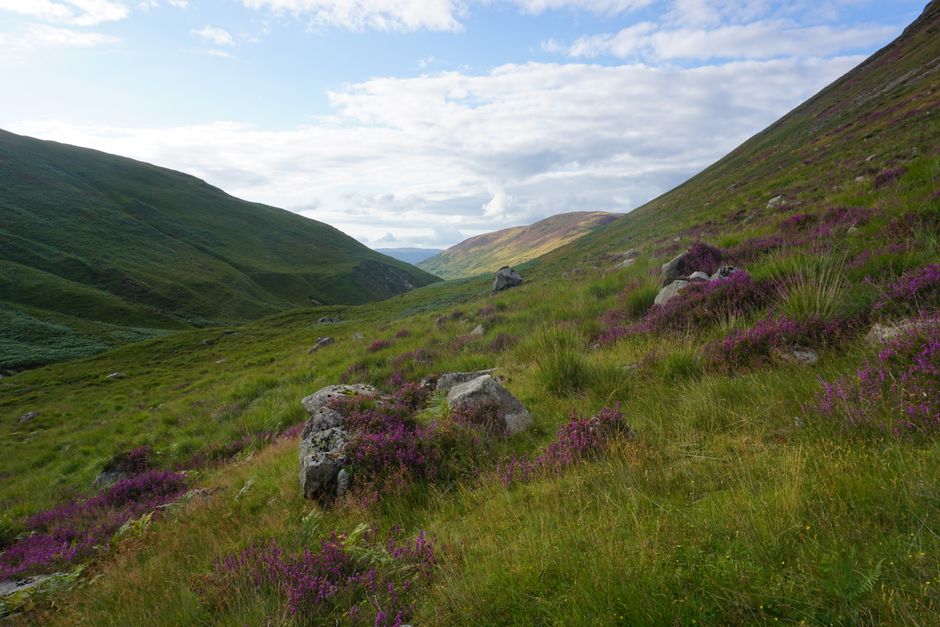
The Scottish Highlands in summer are extraordinary. Long days, dramatic light, lochs and glens at their greenest, and midges. The midges, which are tiny biting insects that swarm in calm, humid conditions from June to August, are the defining packing consideration for a summer Highlands trip. Get the right gear for both the weather and the insects and you will have one of the best outdoor experiences in Europe. Ignore the midges and you will spend a significant portion of your trip very annoyed.
The Heat/Weather Strategy
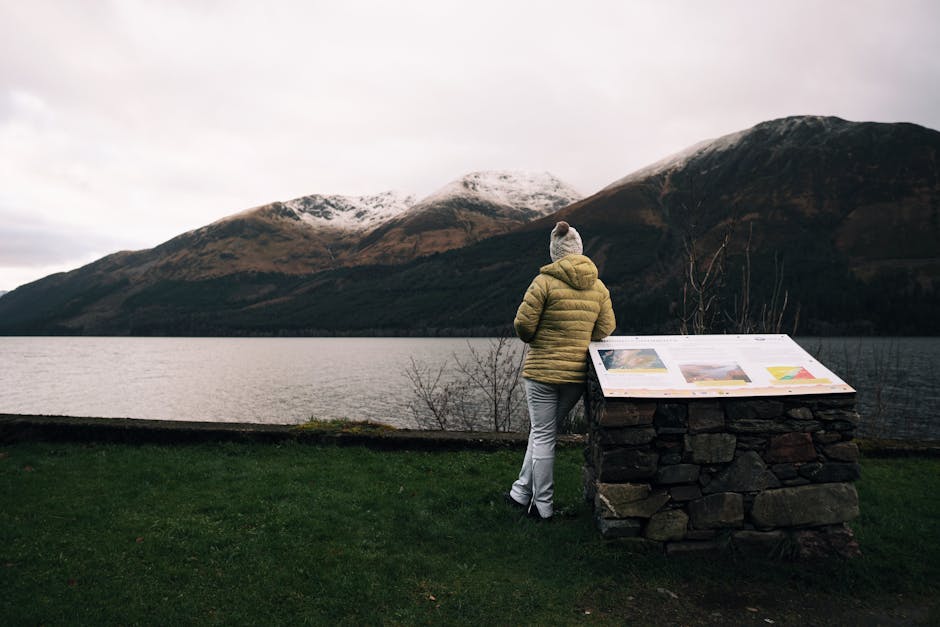
Scottish Highlands summer weather is genuinely unpredictable and can shift multiple times in a day. Temperatures sit between 12 and 18 degrees Celsius at lower elevations, with the peaks considerably colder. The combination of Atlantic weather systems means sun, cloud, rain, and wind can all appear within a few hours. Summer is the best time to visit for access and daylight, but best does not mean reliably warm and dry.
Rain on the high ground is a genuine constant. Dry days are worth celebrating and using fully. Come prepared for both.
City-Specific Must-Haves
Midge repellent is the most important item you will pack and it needs to be an effective one. DEET-based repellents work best; Smidge (a popular Scottish brand) is widely recommended. Midges swarm most aggressively in calm, still conditions at dawn and dusk, near water, and in wooded or boggy areas. They are worst in June and July. Without repellent, camping or extended outdoor sitting in calm conditions is miserable.
A midge head net is worth packing for areas of known midge intensity (particularly the west coast). They look peculiar and are absolutely worth it.
A full waterproof outer layer: jacket and trousers. The Highlands require proper waterproofing, not water-resistance. Waterproof trousers handle the boggy ground and lateral rain that characterises high ground weather.
Waterproof hiking boots with ankle support. Highland paths range from well-maintained to boggy, rocky, and unmarked. Ankle support and waterproofing are both necessary.
Warm layers: a moisture-wicking base layer, a fleece or wool mid-layer, and the waterproof outer shell. Even in August, temperature drops on exposed ridgelines are significant.
A good map or downloaded offline maps. Signal is unreliable in many parts of the Highlands and paper map skills matter.
Sunscreen for clear days. Highland UV on exposed summits is higher than expected.
What to Leave Behind
Unprepared, light urban summer clothing is entirely unsuitable for Highland walking. Pack for the conditions, not the calendar date.
Do not skip the midge repellent thinking it will not be a problem. It will be a problem.
Plan the Full Trip
Midge repellent and waterproofs sorted. The guide covers the North Coast 500 key stops, the Glencoe visit, Loch Ness beyond the tourist traps, and which single-track road etiquette you need to know.