 ConciseTravel
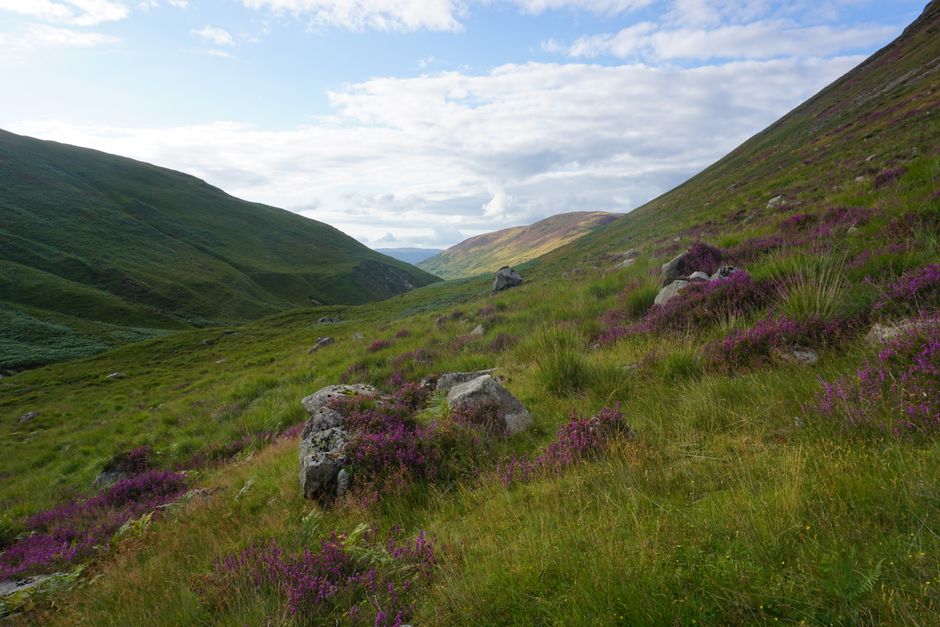
July is the Scottish Highlands' most accessible month and their most popular one. The days run extraordinarily long, with light until 11pm in the far north, the mountain passes are fully open, and the combination of lochs, glens, and coastline is at its most visually rewarding. The midges, Scotland's small but determined biting insects, are also at peak activity. Both things are true simultaneously.
Weather
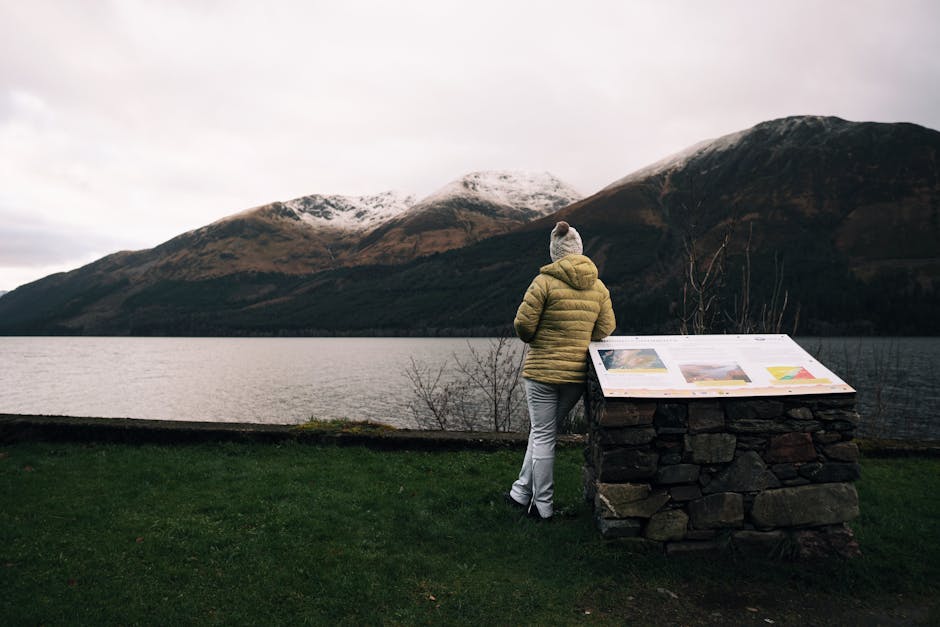
Temperatures average 15°C to 19°C in glens and coastal areas, cooler at higher elevation. July is Scotland's warmest month by a meaningful margin, but the Highlands are never truly warm by southern European standards. Sunshine and dramatic skies alternate with rain and hill fog, sometimes within the same hour. Pack waterproofs, layers, and proper hiking boots for any hill walking. The long evening light is extraordinary for landscape photography and for covering ground before dark.
Crowds and Prices
The North Coast 500, Scotland's promoted coastal driving route, is at peak popularity in July. The single-track roads north of Ullapool and around the far northwest can see significant campervan and tourist traffic, particularly on summer weekends. Accommodation in Ullapool, Torridon, Applecross, and Durness books out early for July. Booking campsites and B&Bs three to six months ahead is not excessive for the NC500 in July. The central Highlands, Rannoch Moor, and Glencoe remain magnificent but busy with coach tours in peak daylight hours.
What's On
The Belladrum Tartan Heart Festival runs near Inverness in late July, a well-regarded music festival in Highland grounds. Various Highland Games events run through the summer; Fort William and Inverness host some of the more accessible ones. The Highland Show in Edinburgh is June, but the spirit of summer agricultural events continues in local games across the Highlands in July. Loch Ness is busy with boat tours and monster-myth tourism; the surrounding countryside is beautiful and worth exploring beyond the Drumnadrochit visitor centre.
One Thing to Watch
Highland midges (Culicoides impunctatus) peak in July, particularly in humid, sheltered glens at dawn and dusk. They are small, persistent, and capable of ending an otherwise ideal evening in the outdoors. Carry midge repellent with DEET or use Smidge, the Scottish-market alternative. A head net for still, humid evenings is not an affectation; on certain calm evenings near water it's the only thing between you and a memorable misery.Our Scottish Highlands guide covers the NC500, the major glens, and how to plan a self-drive route without spending the whole trip in a campervan queue.