ConciseTravel
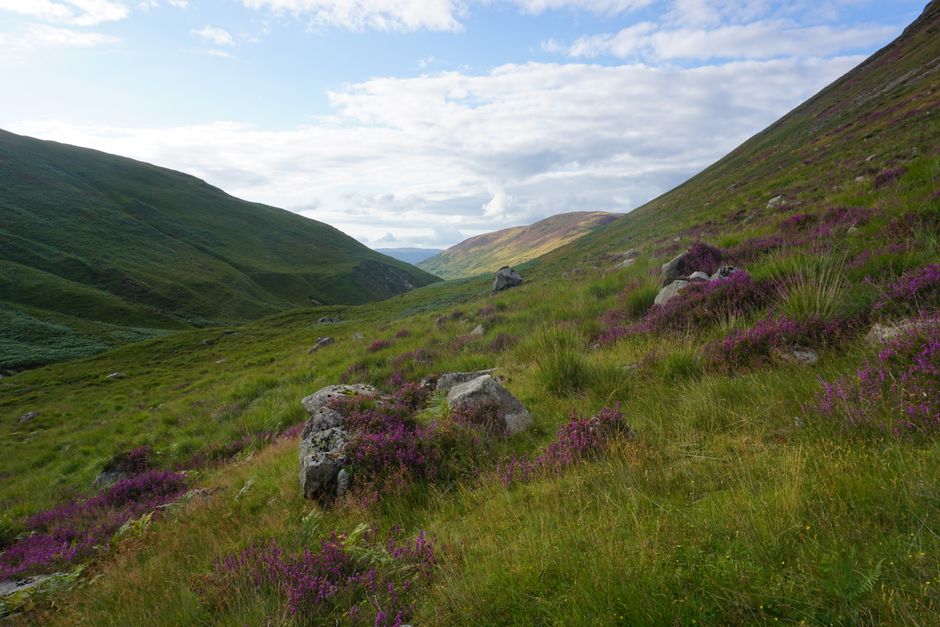
The Scottish Highlands in autumn is one of the most spectacular landscapes in Europe. The heather fades, the bracken turns rust and gold, the lochs take on extraordinary reflective quality, and the red deer rut runs through September and October with a wildness that no managed landscape can replicate. It is also genuinely wild weather territory. Rain is near-guaranteed on any multi-day Highland visit in autumn. Wind across the exposed Rannoch Moor and the Cairngorm plateau is fierce. Cold is real from September. Packing for the Highlands in autumn is about outdoor preparedness, full stop.
The Autumn Layering Problem
September in the Scottish Highlands averages 11-14 degrees in the glens, considerably cooler at altitude. October drops to 7-10 degrees in the valleys with regular rain, wind, and the first serious snow above 800 metres. November averages 2-6 degrees in the glens, cold on any high ground, and frequently stormy.
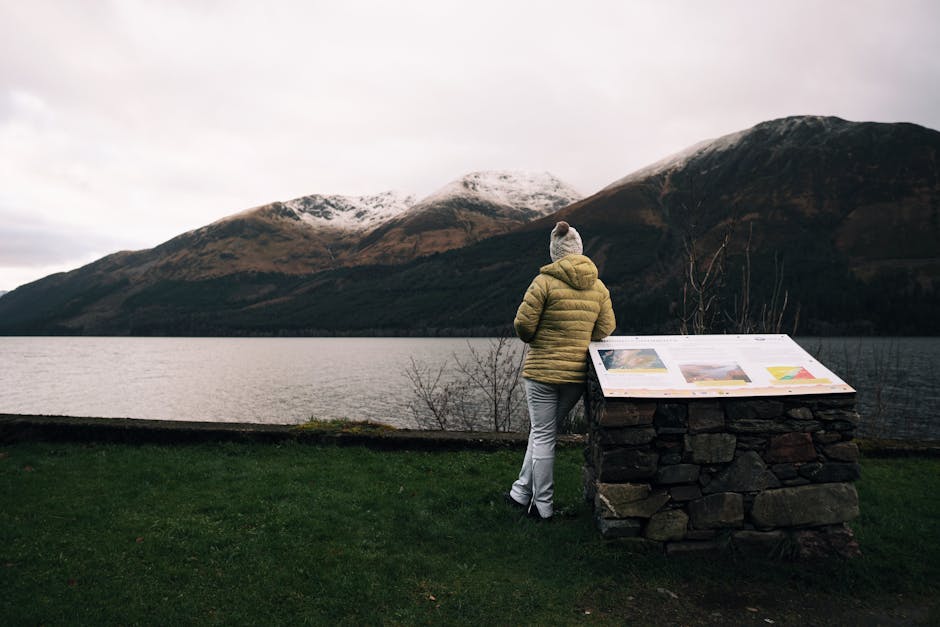
The exposure factor is the defining challenge. Glen Coe, the Great Glen, the Cairngorms, and the far north coast all have weather that moves fast and changes without warning. A clear morning on Ben Nevis in September can become a whiteout within two hours. The combination of wind, rain, cold, and rapidly changing conditions means single-layer preparedness is not adequate for any serious outdoor activity.
Scottish Highlands-Specific Essentials
Full waterproofs: jacket and trousers. Both are required for any outdoor time beyond car-based sightseeing. The jacket needs proper waterproofing with taped seams, a wind-resistant construction, and a hood that functions in strong wind. The trousers prevent the lower half from getting soaked and cold during glen walks, lochside paths, and hill routes.
Waterproof hiking boots with ankle support. This is the baseline footwear for Highland walking from September. Boggy terrain, rocky paths, river crossings, and wet heather all require waterproof boots with ankle support. Not trail trainers. Not leather shoes. Proper hiking boots.
Merino thermal base layers, top and bottom. Warmth from the skin outward. Merino wool stays warm when damp, dries relatively fast, and handles the start-cold, warm-up-with-exertion, cool-fast-when-stopping cycle of Highland walking. Cotton is actively dangerous in cold, wet mountain conditions.
Heavy insulating mid-layer. A down jacket or a heavyweight fleece between your thermal and your waterproof provides the core warmth. In October and November this is not optional.
Warm hat covering the ears, gloves, and a buff or balaclava. Wind chill in the Highlands at altitude is severe. Exposed ears in a 50 km/h Highland wind in October are in genuine discomfort within minutes.
Emergency kit: a survival bag, a map, and a fully charged battery pack. For any hill walking above glen level in autumn, these are sensible rather than excessive. Mobile signal in the Highlands is unreliable.
What to Leave Behind
Cotton as a base layer. Actively dangerous in cold, wet Highland conditions. Merino or synthetic only.
Trail trainers for any serious walking. They are inadequate for boggy Highland terrain and provide insufficient waterproofing or ankle support.
Fashion waterproofs. A waterproof jacket that is not actually properly waterproof under sustained rain is useless. Invest in proper kit.
Light autumn layers as your main strategy. The Highlands do not observe European autumn mildness. Pack for genuinely cold and wet from September.
The Highlands in Autumn Are Extraordinary
Glencoe in October mist, the Torridon mountains in gold and rust, the Cairngorm plateau under the first snow -- the Scottish Highlands in autumn is one of the finest wilderness experiences available without leaving Europe. Pack for the conditions and it is exceptional.