 ConciseTravel
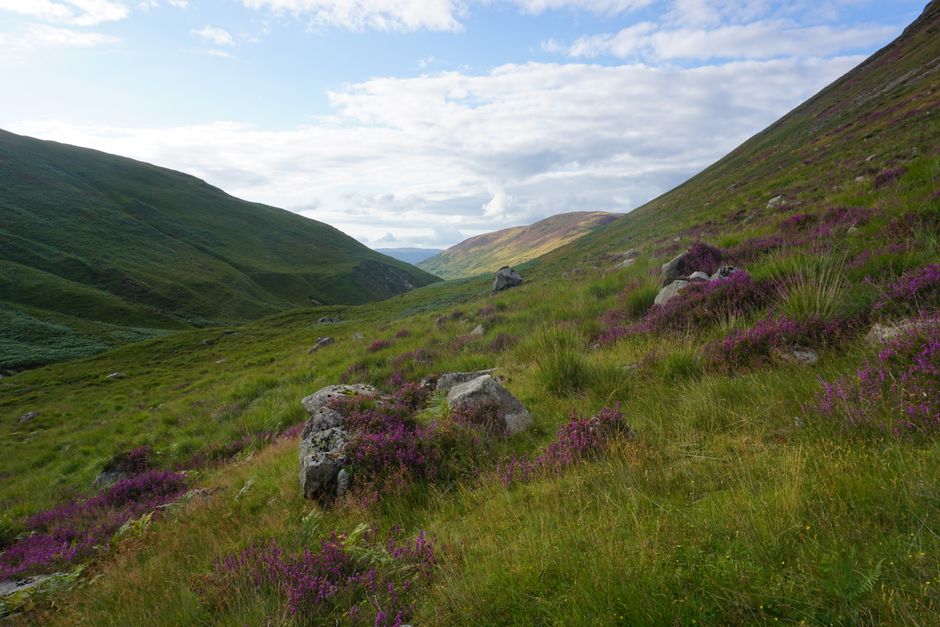
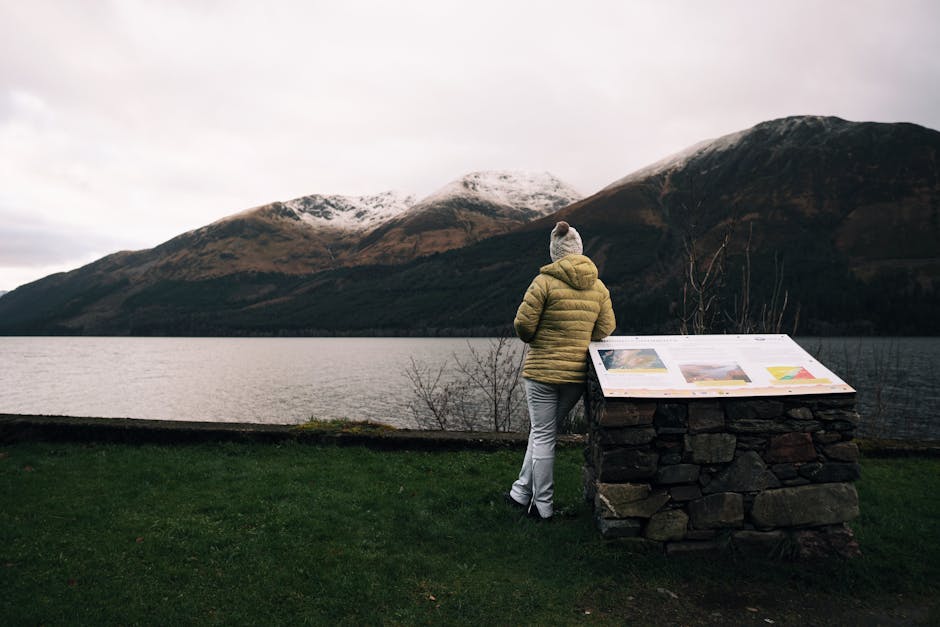
The Scottish Highlands in winter are not for everyone. They are cold, dark, frequently wet, and the roads can close in serious snowfall. They are also one of the most dramatic landscapes on earth in winter, with snow-capped Munros, frozen lochs, the occasional northern lights sighting, and the particular satisfaction of sitting by a fire in a remote inn after a day in conditions that tried to stop you. Pack properly or do not come at all.
The Real Winter Temperature Story
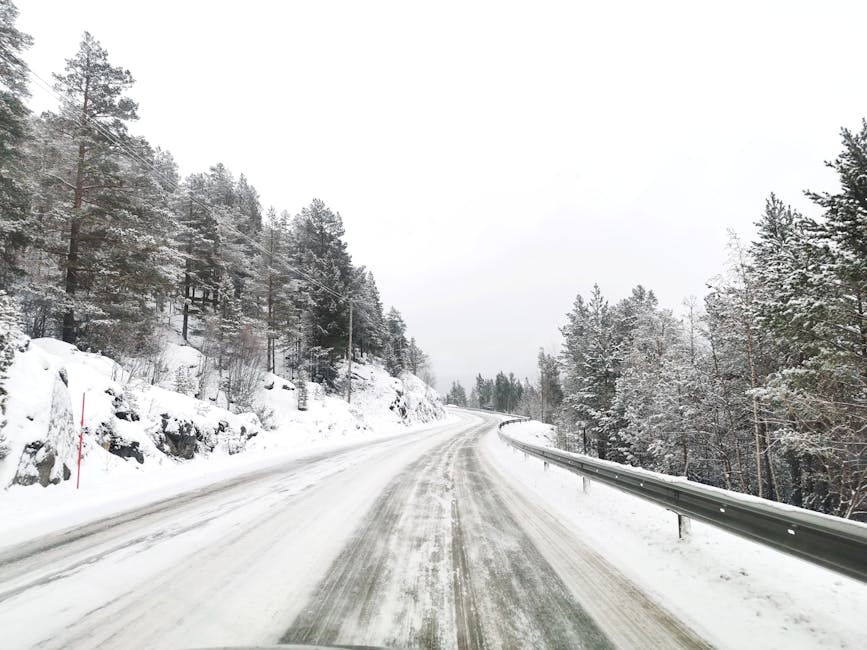
The Scottish Highlands in winter cover a wide range of conditions depending on location, elevation, and the week in question. Glen Coe valley floors might see 0-4C in January. The Cairngorm plateau and the higher Munros sit well below freezing, often at -5 to -15C in January, with wind chill making these numbers feel significantly worse. Snow on the higher ground is a certainty from November through March. Snow in the valleys is common. Road closures on the A82 through Glen Coe and on mountain passes happen multiple times each winter.
Rain is the lower-elevation constant. The west Highlands, particularly the area around Glenfinnan, Mallaig, and the Knoydart peninsula, are among the wettest places in Europe. Even when it is not snowing at altitude, it may be raining heavily at loch level. Atlantic fronts arrive from the southwest with regularity and intensity.
City-Specific Cold-Weather Must-Haves
A fully waterproof and windproof hard shell jacket. The most important item. Not water-resistant. Waterproof, seam-sealed, with a hood. Something rated for mountaineering or serious hill walking conditions. Atlantic Highland rain is not gentle.
Waterproof trousers. For any day with extended outdoor time, any hill walking, or any weather forecast involving rain. Wet jeans in Highland winter conditions are cold and potentially dangerous.
Insulated waterproof hiking boots. Ankle-high minimum, with genuine ankle support, waterproofing, insulation, and Vibram or equivalent grip. The terrain ranges from muddy glen paths to icy rock to snow-covered tracks. Standard trainers or walking shoes without insulation are completely inadequate.
Thermal base layers, top and bottom, in merino wool. Essential. Multiple sets for multi-day trips. Merino retains warmth even when damp, which matters in sustained rain.
A down or synthetic insulated mid-layer. A good down jacket or synthetic fill jacket goes under your hard shell for the coldest days and summit approaches.
A fleece mid-layer. Between thermals and insulated layer, or as a standalone mid-layer for less extreme days.
Waterproof gloves. Standard gloves get wet in Highland rain. Waterproof or water-resistant outer gloves over thin liner gloves give you warmth and protection.
A warm hat and a buff or balaclava. The Highland wind chill requires proper head coverage. A buff or balaclava adds face and neck coverage for the harshest conditions.
Merino wool socks, multiple pairs. Warm, moisture-managing socks make a significant difference in insulated boots in cold, wet conditions.
Traction devices or micro-spikes. If you plan any hill walking on iced paths or packed snow, micro-spikes that attach over your boots dramatically improve safety and confidence. Icy paths without grip are dangerous.
What to Leave Behind
Any outer layer that is not fully waterproof. Highland rain defeats water-resistant quickly. The seam-sealed hard shell is the minimum standard.
Cotton base layers. Cotton holds moisture and takes a long time to dry. Hypothermia risk in sustained cold wet conditions with cotton next to skin is real.
Standard trainers or non-insulated boots. Not appropriate footwear for any winter walking in the Scottish Highlands above valley level.
Assumptions about weather windows. The Highland weather is unpredictable. A clear morning can become a full storm by afternoon. Check mountain weather forecasts from the MWIS (Mountain Weather Information Service) before any hill day.
Packing it Together
Waterproof hard shell, waterproof trousers, insulated waterproof hiking boots, merino thermal layers, down or insulated mid-layer, fleece, waterproof gloves, warm hat, buff, wool socks, and micro-spikes if hill walking is planned. The Scottish Highlands in winter are extraordinary for anyone properly equipped to be in them. The reward for getting the kit right is access to one of the world's most dramatic and uncompromising winter landscapes.
The ConciseTravel Scottish Highlands guide covers the best glen routes, the Jacobite Steam Train, the key viewpoints, and the practical logistics of visiting without a car.