ConciseTravel
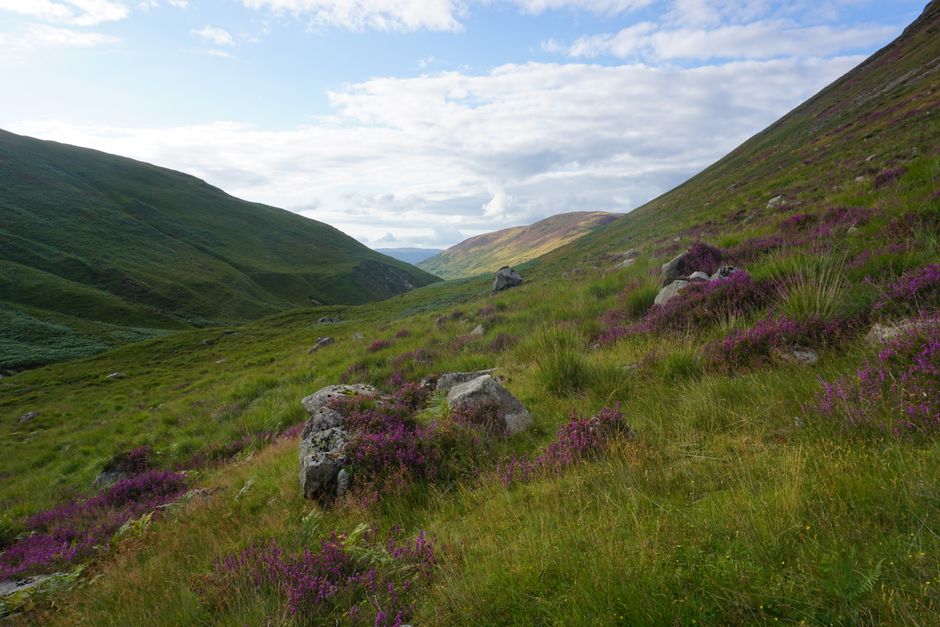
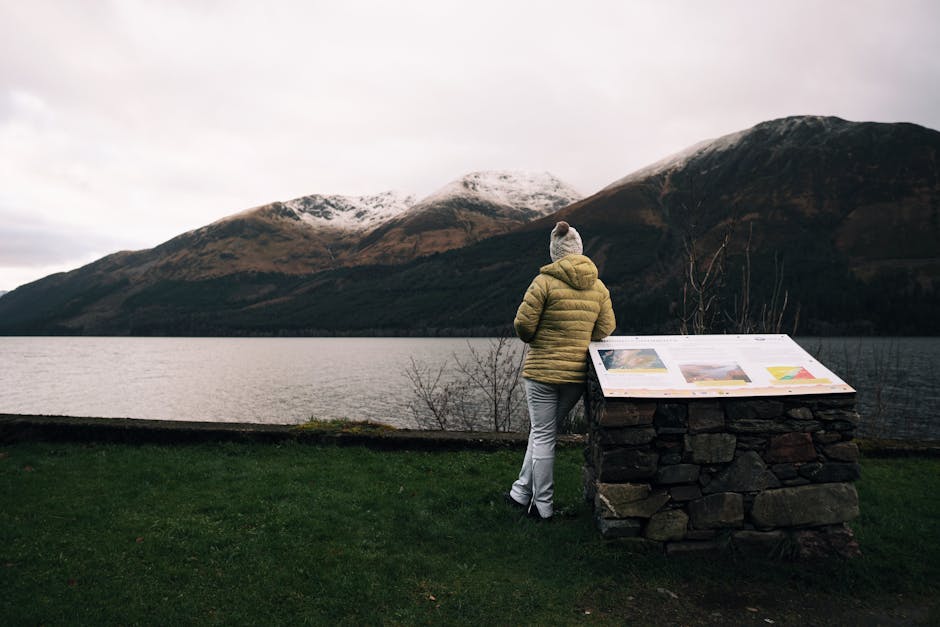
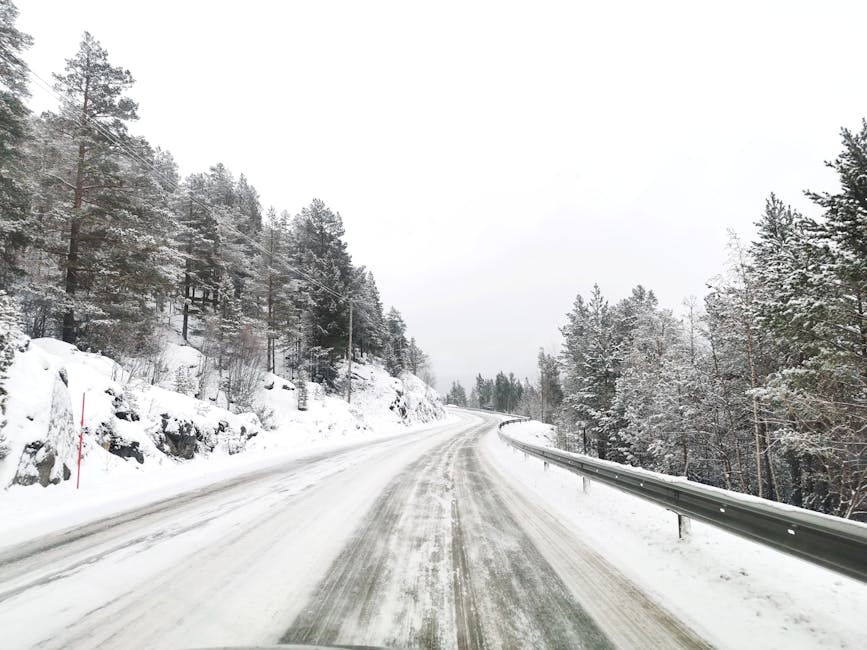
The Scottish Highlands in spring is one of the most dramatic landscapes in Europe, if you are dressed for it. March sits at 3-8C in the glens, with snow on the higher tops and the possibility of frost at night. April improves to 6-11C and the landscape transforms: the hills are still brown from winter but the rivers are running high and the birch trees begin to show green. By May you reach 10-15C and the Highlands are at their most accessible: manageable temperatures for hill walking, long evenings for exploring the glens, and the spectacular light that comes at this latitude in late spring. But the Highland weather operates by its own rules across all three months. A clear morning can become a blizzard-level event by early afternoon above 700m.
The Layering Approach
The Scottish Highlands demand the most serious packing approach of any destination in this guide. This is not a city where you can pop into a warm cafe if the weather turns. Remote glens and mountain routes can be genuinely dangerous in sudden bad weather, and spring conditions change faster than lowland visitors expect. The system: a moisture-wicking thermal base layer (merino wool is ideal), a substantial fleece or insulation mid-layer, and a fully waterproof and windproof shell that has been tested in serious rain. For any walk above 500m in March or April, add waterproof over-trousers and consider an emergency layer.
Essentials for the Highlands
Fully waterproof, fully windproof jacket with a substantial hood: The Highland wind and rain together are a completely different proposition from city rain. A hood that cinches tight, a construction that is genuinely waterproof under sustained heavy rain, and enough length to cover your back when leaning into wind: these details matter out here.
Waterproof walking boots with ankle support and grip: The ground in the Highlands in spring is frequently boggy, wet, and uneven. A proper waterproof walking boot with a Vibram-type sole and ankle support is the foundation of any Highland trip. Low trainers are unsafe on rough terrain and leave you with cold, wet feet within an hour.
Waterproof over-trousers: For any serious hill day and for driving rain on lower walks. They pack small and are significant in comfort terms.
Warm hat and gloves: Non-negotiable through all three months for any outdoor time above the glens. Wind chill at summit level can make May feel like February.
Merino base layers: Stay warm when damp, dry faster than cotton or synthetics, and resist odour across multiple days of use.
Navigation tools: Map and compass if you are going above the main paths. Do not rely solely on phone GPS in areas with limited signal.
Midge head net and repellent for May: The Highland midge season begins in May, particularly in still, overcast conditions near water and in the glens. A head net is cheap, compact, and prevents a specific kind of misery.
What to Leave Behind
Light spring jackets: Completely inadequate for Highland spring. Do not underestimate the conditions.
Cotton base layers: Cotton kills in cold, wet conditions. Technical or merino wool only.
Town shoes and sandals: Leave them for urban trips. They have no function in the Highlands.
A casual approach to the forecast: Highland forecasts change fast. Check them twice a day and plan conservatively.
Planning Your Trip
The Scottish Highlands reward careful planning: knowing which routes suit your fitness level, where to stay in Glencoe, Torridon, and the Northwest, and how to read the Highland weather pattern makes the difference between a safe, spectacular trip and a difficult one.