ConciseTravel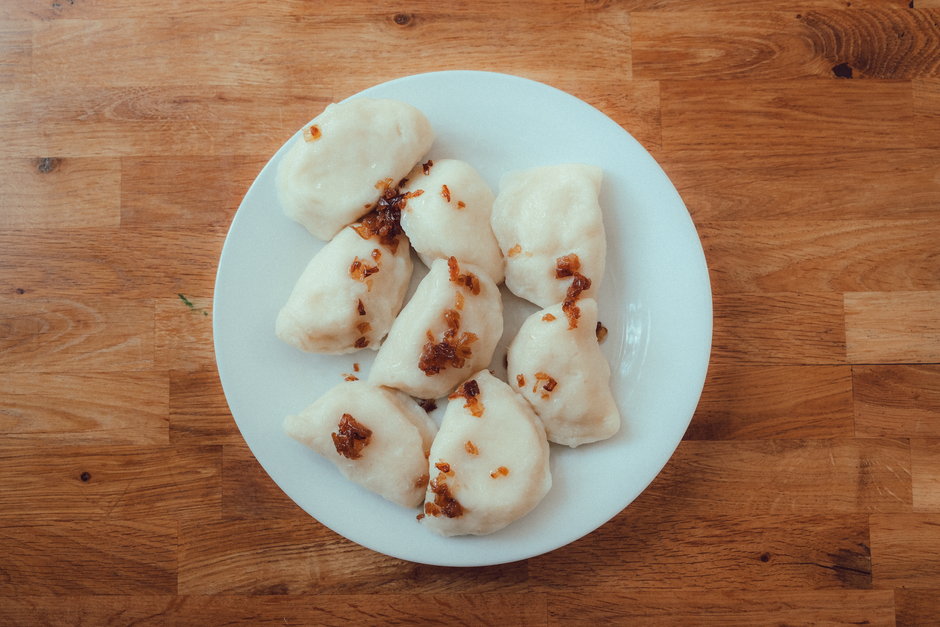
Warsaw's cooking class scene has developed significantly in the last decade. The best classes are small-group, hands-on, and focused on the canonical Polish dishes: pierogi, barszcz, bigos, żurek. They teach technique rather than spectating, and most end with a full meal of what you've made. For visitors who want to engage with Polish food beyond ordering from a menu, a cooking class is one of the better uses of half a day.
What a Good Class Covers
The core skill is pierogi: making the dough from scratch, rolling and cutting it, filling it (Ruskie — potato, cheese, onion — is the standard starting point), crimping the edges correctly, boiling, then pan-frying in butter. Pierogi is deceptively technical — the dough-to-filling ratio, the thickness of the wrapper, and the sealing technique all affect the result. Learning this with a Polish cook who has made them for forty years is different from following a recipe.
Beyond pierogi, good classes typically cover one or two additional dishes. Barszcz (beetroot soup) is common — it looks simple, tastes complex, and teaches the principle of balancing sweetness and acid. Bigos (hunter's stew) takes too long to cook in a class setting but is sometimes demonstrated. Żurek (sour rye soup) is worth asking about specifically.
Some classes include nalewki — Polish herbal and fruit infusions, similar to liqueurs. Not cooking exactly, but interesting if Polish spirits are on your list.
Classes with a Market Tour
A subset of Warsaw cooking classes begins at Hala Mirowska, the traditional covered market near the Ghetto Memorial area, where participants choose the day's produce with the instructor before heading to the kitchen. This format is worth the extra logistics. Hala Mirowska is where Warsaw residents actually shop — meat, fish, dairy, seasonal vegetables, pickles in barrels — and seeing the raw ingredients before cooking gives the food more context than arriving at a kitchen with everything pre-portioned.
Viator lists several Warsaw cooking classes with the market tour component; the guided format handles the navigation and translation.
Practical Details
Classes typically run 3–4 hours. Prices range from 150–250 PLN per person for a reputable small-group class, more for private bookings. Group sizes of 6–12 are standard. Most run in English and accommodate vegetarians.
The main kitchen spaces used by Warsaw cooking class operators are in the city centre or Praga district. Praga-based classes sometimes incorporate the Koneser distillery complex into the session, which works well given that Koneser houses the Polish Vodka Museum.
Booking in advance is recommended for weekend classes, which fill up. Weekday slots are usually available on shorter notice.
What You Take Away
A recipe card for pierogi is the standard takeaway. More practically: the muscle memory for getting the dough right, an understanding of why Polish food tastes the way it does (fat, fermentation, root vegetables, preserved cabbage), and usually quite a lot of food eaten at the table at the end.
The meal component matters. A good class ends with everyone sitting down to eat what was made — the instructor usually drinks with the group and the atmosphere is closer to being in someone's home than attending a lesson.
Our Take
Book the class with the Hala Mirowska market tour if it's available. Do the pierogi regardless. Bring an appetite for the meal at the end — it's usually more food than expected and better than most restaurants.
Master Warsaw in Minutes
Don't waste hours planning. Get our condensed, digital cheat sheet with everything you actually need.
Shop Guide on Etsy →