 ConciseTravel
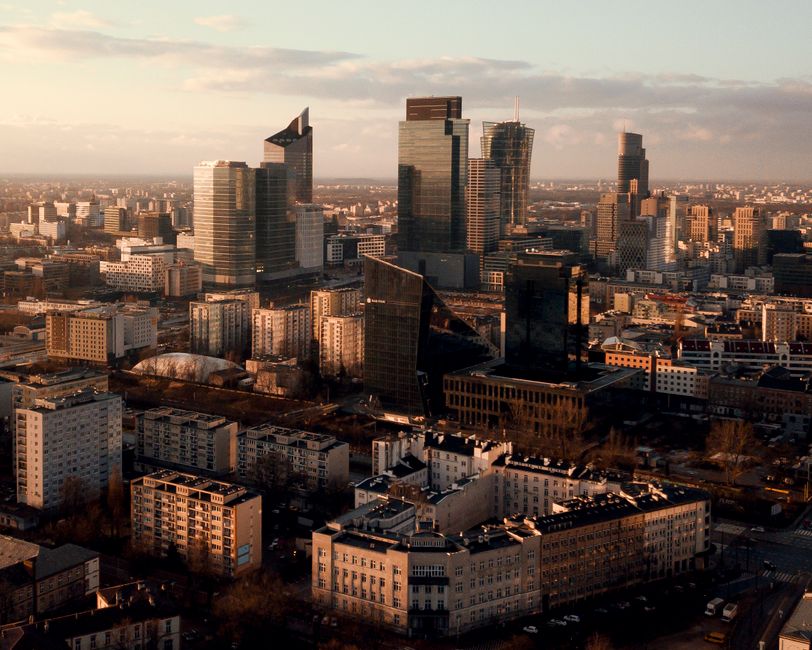
Warsaw in July is a city that doesn't get the credit it deserves in the summer city break conversation. It's warm, increasingly good for food and nightlife, historically important in ways that reward serious engagement, and significantly cheaper than Prague, Vienna, or Berlin. July brings a lively outdoor culture that the city's long, cold winters make you understand immediately.
Weather
Temperatures average 22°C to 26°C with occasional hot spells reaching 30°C or above. Central European thunderstorms are common in July afternoons; they arrive quickly and pass fast, often leaving the city feeling fresh and cooler. Pack a compact umbrella for afternoon excursions. The Vistula riverbanks, which have been extensively developed in recent years, are excellent for July evenings. Evenings are warm and the city's outdoor terraces and riverbank bars run well into the night.
Crowds and Prices
Warsaw is considerably less visited than Krakow, which works in its favour. The Royal Castle, the Old Town (reconstructed after wartime destruction), and the Warsaw Rising Museum are all worth visiting and none require the advance booking stress of Prague or Dubrovnik. Hotel prices are lower than comparable Western European destinations. Accommodation in Srodmiescie and Muranow puts you close to the historic sites. The Praga district across the Vistula is Warsaw's emerging creative neighbourhood and worth a half-day.
What's On
The Warsaw Summer Jazz Days typically run in July, one of Poland's better jazz events. Various open-air cinema and music events run through the city's summer programme. The Vistula boulevards are at their most active in July with food trucks, outdoor bars, and beach volleyball courts. Chopin concerts in the Lazienki Park's open-air amphitheatre run on Sunday afternoons through summer; they're free, they're in a beautiful park setting, and they're genuinely good.
One Thing to Watch
The Warsaw Rising Museum is one of Europe's most affecting museum experiences. It tells the story of the 1944 Warsaw Uprising against Nazi occupation with remarkable documentation and design. It requires two to three hours and genuine emotional bandwidth. Don't schedule it immediately before a demanding evening or tight transfer. Go in the morning, take your time, and let the afternoon be lighter. It's the most important cultural experience in Warsaw and it should be treated as such.
Our Warsaw travel guide covers the Old Town, the museum, the Praga neighbourhood, and how to spend a long weekend doing justice to a city most travellers are still discovering.
Master Warsaw in Minutes
Don't waste hours planning. Get our condensed, digital cheat sheet with everything you actually need.
Shop Guide on Etsy →