ConciseTravel
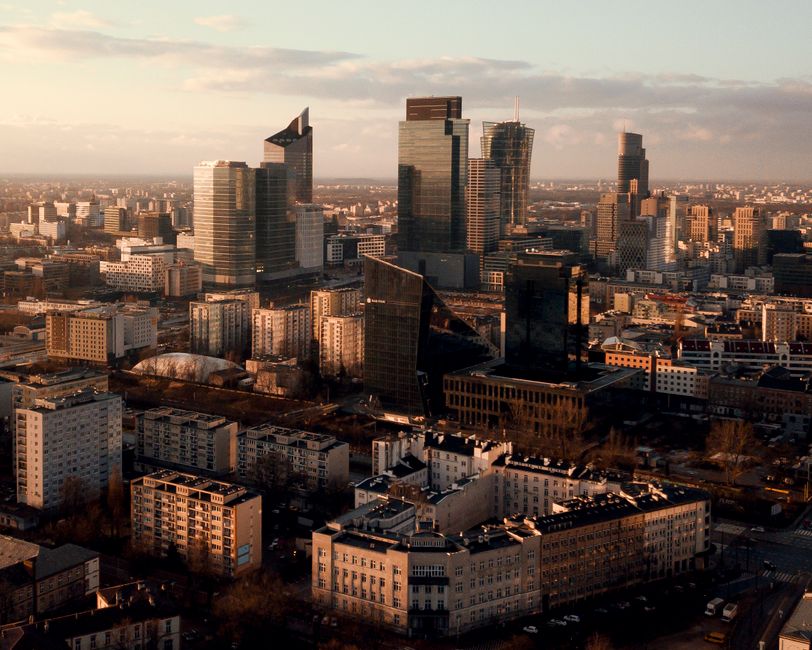
Warsaw in autumn is a Central European city with its own particular energy. The summer tourist pressure drops away, the reconstructed Old Town -- extraordinary for anyone who understands the history of its destruction and rebuilding -- becomes easier to appreciate without crowds, and the city's museum culture, which is genuinely excellent, becomes the natural focus as the cold arrives. September is manageable. October turns cold by the end of the month. November is properly cold and the city's bar and cafe culture makes complete sense as a refuge. Packing for autumn Warsaw means taking the cold seriously from the start.
The Autumn Layering Problem
September in Warsaw averages 17-21 degrees during the day with cool evenings. October drops to 9-13 degrees, crisp, with regular rain and the cold arriving from the east with increasing regularity. November averages 2-6 degrees with frequent rain, some sleet, and evenings that approach freezing.
Warsaw's continental climate means the cold arrives without the Atlantic moderation that softens autumn in western Europe. October in Warsaw feels meaningfully colder than October in London or Amsterdam at the same thermometer reading. November is proper Central European cold: functional warm clothes are not optional.
Warsaw-Specific Essentials
A proper warm jacket for October, a winter coat for November. October requires something genuinely insulated -- a down jacket, a padded coat, or a heavy wool overcoat. November in Warsaw justifies a winter coat. This is not a city for under-prepared outerwear.
Heavy insulating mid-layers. A thick wool jumper or a fleece is the warmth core. Warsaw in November outdoors without proper mid-layers is cold within minutes of leaving a heated interior.
Waterproof outer layer. Warsaw gets autumn rain from October. A waterproof jacket or a quality umbrella handles the October drizzle and November wet conditions.
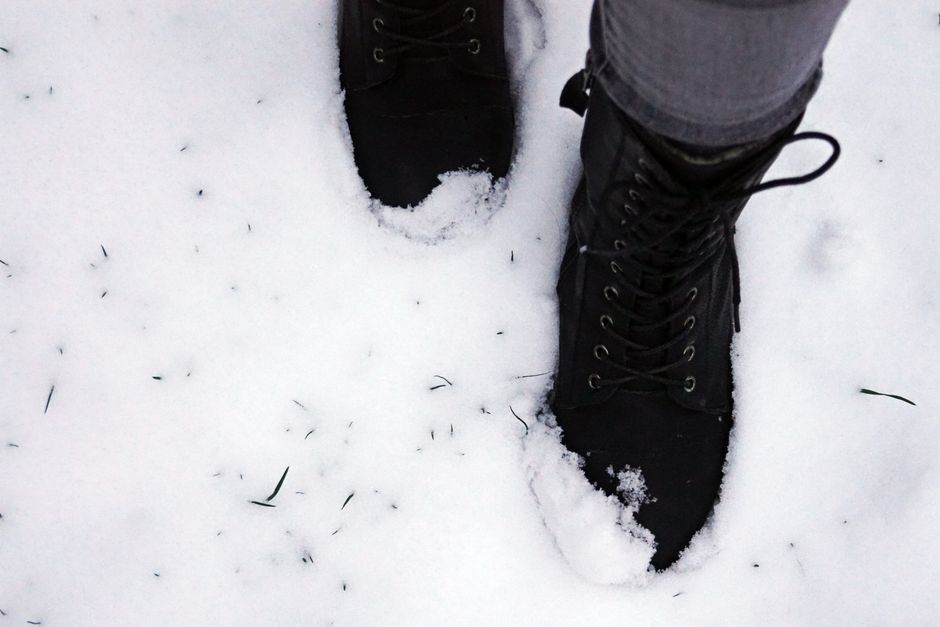
Warm, waterproof footwear. Warsaw's Old Town is cobblestone, the Palace of Culture area is open to wind, and October and November pavements are wet. Waterproof leather boots or waterproof-lined shoes with grip handle both the terrain and the moisture.
Hat, scarf, and gloves from October. The east wind that arrives in Warsaw in October and dominates November makes exposed extremities genuinely cold. These are packing essentials, not optional.
Layers for Warsaw's excellent bar and cafe culture. The city has a strong indoor culture in autumn. Layers that allow you to be comfortable moving between cold streets and heated venues are more practical than a single heavy coat.
What to Leave Behind
Light autumn layers as a primary strategy. Warsaw's autumn cold is continental. Western European autumn clothing is inadequate from October.
Sandals. September is the last viable moment. October onwards, closed and preferably waterproof footwear.
Summer-weight fabrics. Thin cotton and linen are cold in Warsaw from mid-October. Pack proper warmth.
Warsaw Autumn Rewards the Effort
The Old Town's reconstruction and the POLIN Museum of the History of Polish Jews are among the most powerful museum experiences in Europe. Both work exceptionally well in autumn, and the city's vodka bar and cafe culture provides the warm counterpoint to the cold streets. Pack for the continental cold and Warsaw delivers.
Our Warsaw Guide covers the Old Town history, the POLIN Museum, and how to structure a Warsaw city break. Find it at the link below.
Master Warsaw in Minutes
Don't waste hours planning. Get our condensed, digital cheat sheet with everything you actually need.
Shop Guide on Etsy →