ConciseTravel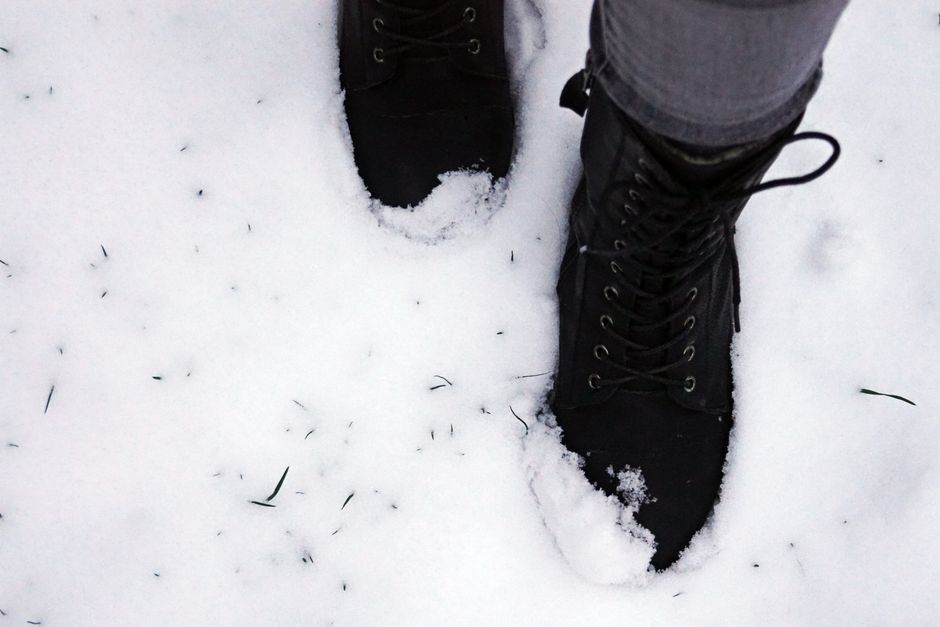
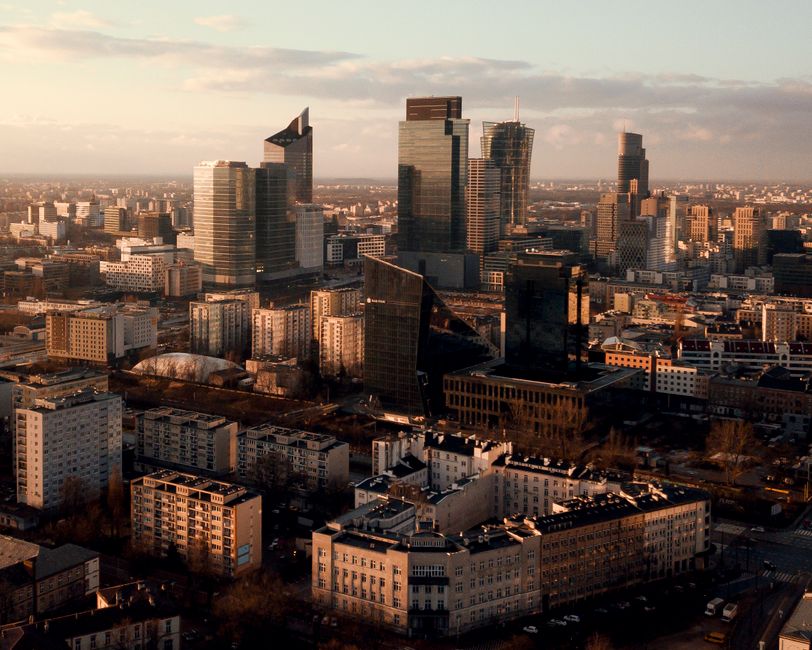
Warsaw spring is an honest Central European emergence from a hard winter. March sits at 4-9C, grey and cold, with occasional snow still possible and the wide Warsaw streets channelling a wind that makes it feel colder than the thermometer. April improves to 9-15C and the city begins to show its character: the Royal Route looking its best, Lazienki Park coming into colour, the Old Town (meticulously reconstructed after wartime destruction) drawing visitors in increasing numbers. By May you are at 15-21C and Warsaw is genuinely pleasant, the outdoor cafe scene active, the Vistula riverbank paths full of cyclists and walkers. Pack for the full range, because March and May in Warsaw feel like completely different seasons.
The Layering Approach
Warsaw spring demands proper cold-weather layers for March and early April, transitioning to standard Central European spring layers by May. The March requirement: a thermal or merino base layer, a substantial fleece or knit mid-layer, and a windproof waterproof outer shell. Warsaw's flat geography and wide boulevards create a wind channel effect that makes wind chill significant throughout spring. By April you can lighten the base layer, and by May the mid-layer does most of the work with the outer layer coming out for rain or cool evenings. The Old Town cobblestones are beautiful but uneven and often slippery in spring rain.
City-Specific Essentials
Windproof, waterproof outer layer: Warsaw spring includes cold wind and rain as regular features. A proper outer shell handles both and is the most important item in your bag.
Warm mid-layer for March and April: A fleece, a down gilet, or a substantial knit. Warsaw March mornings require meaningful warmth under the outer layer.
Comfortable shoes with grip for cobblestones: The Old Town, the Royal Castle area, and the Nowe Miasto neighbourhood all involve cobbled, uneven terrain. Waterproof shoes with a good rubber sole handle both the terrain and the spring rain.
Warm hat and gloves for March: Wind chill on the wide Warsaw streets makes these necessary. Packable versions add minimal weight.
Smart-casual outfit for evenings: Warsaw has an excellent and growing restaurant scene. One neat outfit for a good dinner is worthwhile.
Cash in Polish zloty: Poland uses the zloty, not the euro, and while card payments are widely accepted, smaller cafes, market stalls, and some restaurants prefer cash.
Compact daypack: For carrying water, layers, and camera gear on long sightseeing days covering the Old Town and the museum quarter.
What to Leave Behind
Light spring jackets: Insufficient for Warsaw through March and most of April. The wind makes inadequate outer layers quickly ineffective.
Sandals before May: The cold and the wet cobblestones make sandals impractical as a primary shoe through most of spring.
Heavy formal wear: Warsaw is casual. Smart casual covers every restaurant and bar scenario.
Optimistic summer clothing: May in Warsaw can produce warm days, but the general spring arc demands packing for the cold baseline rather than the warm exceptions.
Planning Your Trip
Warsaw is one of Europe's most underrated city breaks: a powerful history, a rebuilt old town that tells a remarkable story, and a food and bar scene that has improved significantly in recent years. Our guide covers the essentials without padding. Find it here: https://concisetravelguides.etsy.com/uk/listing/4500248963/warsaw-city-break-guide-pdf-old-town
Master Warsaw in Minutes
Don't waste hours planning. Get our condensed, digital cheat sheet with everything you actually need.
Shop Guide on Etsy →