 ConciseTravel
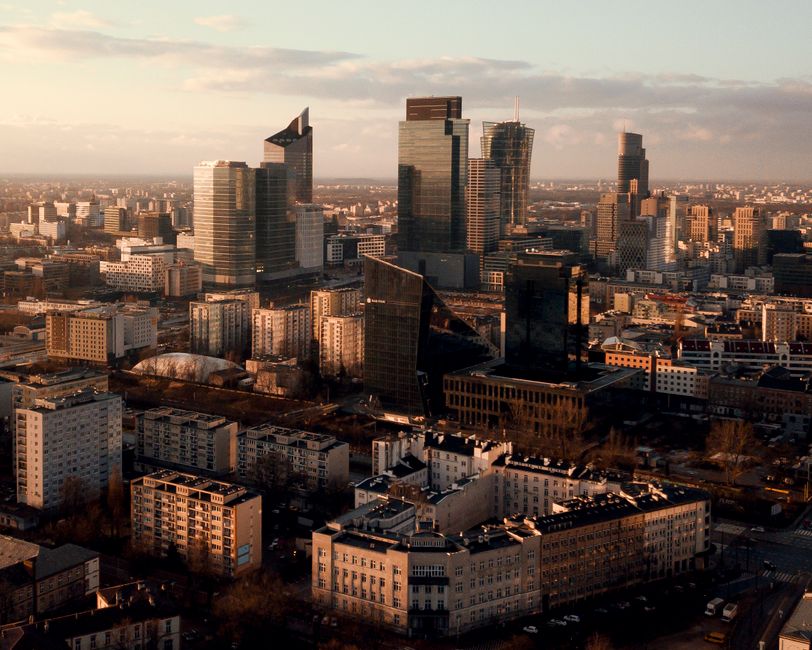
Warsaw in winter is one of central Europe's most underrated city break experiences. The reconstructed Old Town under snow, the Royal Castle in frost, and the Lazienki Park with its ice-covered lake and feeding squirrels are all genuinely excellent winter experiences. The history here is extraordinary and the museums are world class. The cold is also extraordinary and world class. January in Warsaw is seriously cold and you need to come dressed for it.
The Real Winter Temperature Story
Warsaw in December averages 0 to 3C. January is the harshest month, typically sitting between -3 and 0C during the day, with overnight temperatures regularly reaching -8 to -12C. February is similar. Snow is reliable throughout all three winter months and often lies on the ground for weeks. The flat Polish plain surrounding Warsaw provides no shelter from the east, which is where the coldest air masses arrive from in winter. A Polish continental east wind in January is not a polite experience.
The city handles its winter efficiently. The metro, trams, and buses all run normally. The Old Town is maintained and accessible. The bars and restaurants are warm. But getting between them requires proper kit for the outdoor stretches.
City-Specific Cold-Weather Must-Haves
A heavy winter coat, rated for below -10C. This is the baseline for Warsaw in January, not the extreme scenario. Down fill and windproof. The east wind on the open areas of the Old Town Market Place and the Royal Castle forecourt requires serious outerwear.
Thermal base layers, top and bottom, in merino wool. Essential throughout December, January, and February. Merino manages the cold and the indoor-outdoor temperature swings. Pack two sets for a multi-day trip.
A thick fleece or wool mid-layer. Between thermals and your outer coat. Essential for January and February.
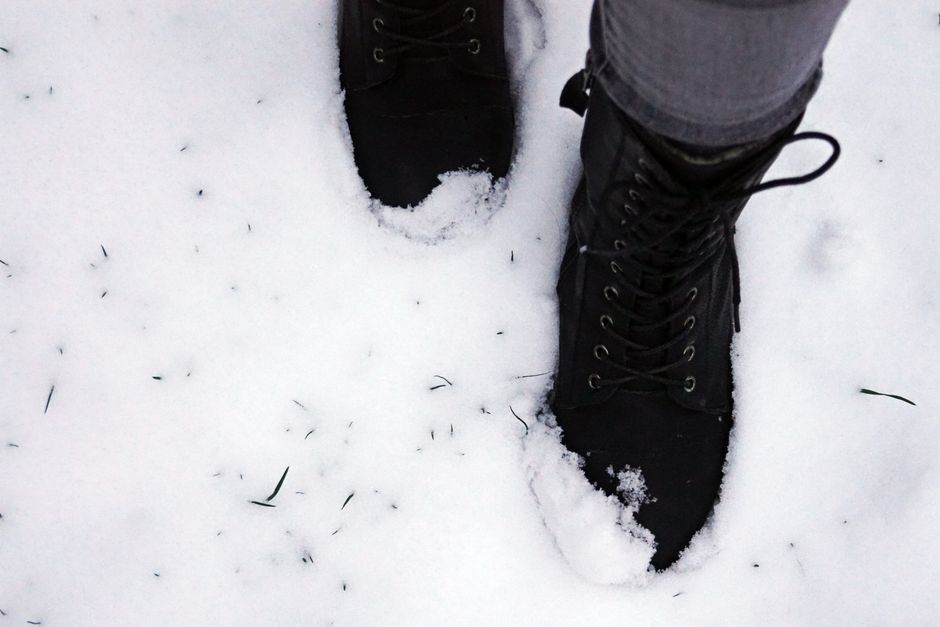
Insulated waterproof boots, rated for serious cold. Warsaw's winter streets involve compacted snow, ice, and slush. Boots with insulation rated for -15 to -20C conditions, waterproofing, and grip are the appropriate footwear. Non-insulated boots leave your feet cold within an hour in Warsaw January conditions.
Warm hat covering ears. The east wind makes this non-negotiable.
Insulated gloves. Proper cold-weather gloves, not fashion accessories with minimal fill. Touch-screen compatible if you use your phone for maps.
A warm scarf or balaclava. For face and neck protection on the coldest days and the open plaza walking.
Wool socks. Multiple pairs. Warm socks in cold-rated boots make a significant difference over a full sightseeing day.
What to Leave Behind
Any coat not rated for serious cold. Warsaw January is not a city where under-dressing is a minor inconvenience. It is genuinely cold.
Non-insulated boots. Cold feet in Warsaw winter conditions are a fast way to end a sightseeing day early. Insulation matters here as much as waterproofing.
Cotton base layers. Wool or synthetic fabrics in cold, wet conditions significantly outperform cotton. Cold damp cotton is a misery.
Light packing assumptions. Cold-weather kit is bulky. Accept this and pack a slightly larger bag for a Warsaw winter trip.
Packing it Together
Heavy winter coat rated for serious cold, merino thermal layers, thick mid-layer, insulated waterproof boots, hat, insulated gloves, warm scarf, and wool socks. Warsaw in winter is extraordinary for anyone who comes properly prepared. The history, the reconstructed Old Town, and the extraordinary POLIN Museum of the History of Polish Jews justify the trip in any weather. The cold is the price of admission.
The ConciseTravel Warsaw guide covers the Old Town, the Royal Castle, the POLIN Museum, and the practical logistics of visiting one of central Europe's most historically significant cities: https://concisetravelguides.etsy.com/uk/listing/4500248963/warsaw-city-break-guide-pdf-old-town
Master Warsaw in Minutes
Don't waste hours planning. Get our condensed, digital cheat sheet with everything you actually need.
Shop Guide on Etsy →