 ConciseTravel
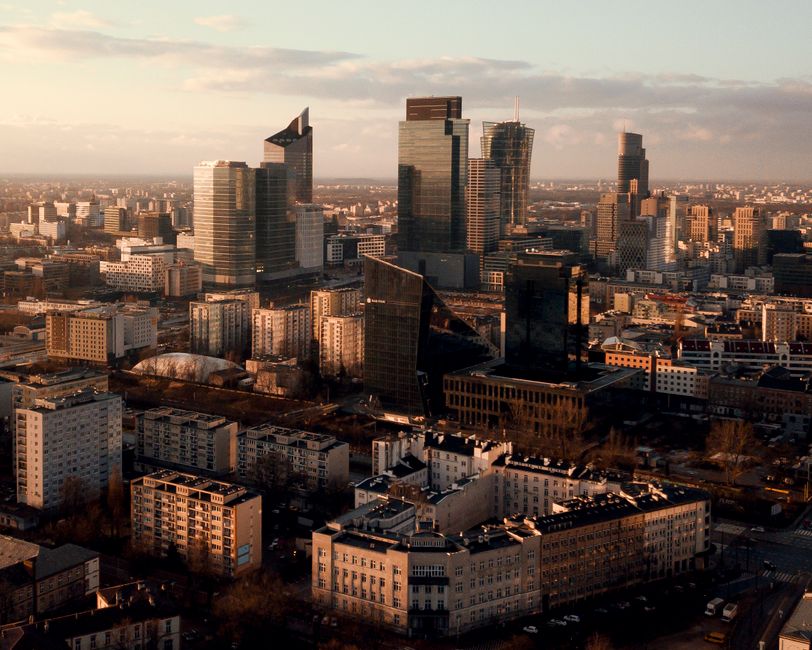
Warsaw in October is an honest city break: cold, cheap, and significantly more interesting than its reputation suggests. Poland's capital has been rebuilt almost entirely since the Second World War and carries that history in a way that's impossible to separate from the experience of being there. October adds a layer of authenticity: fewer tourists, lower prices, and the locals going about their lives without tourist infrastructure getting in the way. It rewards the curious visitor.
Weather
Getting genuinely cold. Expect 8-12°C in early October, dropping to 4-8°C by late October. Rain is frequent and the wind can be biting. This is central European autumn and it doesn't mess about. Pack a proper warm coat, waterproofs, and layers. Warsaw's Old Town (rebuilt after the war and now a UNESCO World Heritage site) looks atmospheric in overcast conditions. The city has good indoor culture and the weather is manageable if you're prepared for it.
Crowds and Prices
Very quiet by October, and very affordable. Warsaw remains one of Europe's most underrated city breaks and one of its cheapest. Hotel prices are low by any comparison, restaurants are excellent value, and the city's cultural offer, including the POLIN Museum of the History of Polish Jews, one of the best museums in Europe, is accessible without queues. The weekend city break crowd from the UK tends towards Prague, Krakow, and Budapest ahead of Warsaw, which means you get better value and fewer tourists.
What's On
The Warsaw International Film Festival runs in October, one of Central Europe's significant film events with screenings across the city. The All Saints Day (1 November) preparations begin in late October, with Poles visiting cemeteries with candles and flowers in a tradition that's genuinely moving to witness. The Chopin recitals in the Royal Lazienki Park run from May to October, with the last concerts of the season falling in early October, free outdoor performances in the park.
One Thing to Watch
The POLIN Museum of the History of Polish Jews in the former Warsaw Ghetto area is one of the most important and affecting museum experiences in Europe. It deserves proper time: half a day minimum, and ideally a full day. Visiting it in combination with the Warsaw Rising Museum (a separate site covering the 1944 Uprising) gives a comprehensive understanding of Warsaw's extraordinary 20th-century history. These are not optional extras for a Warsaw trip; they're the reason the city earns the visit.
Master Warsaw in Minutes
Don't waste hours planning. Get our condensed, digital cheat sheet with everything you actually need.
Shop Guide on Etsy →