ConciseTravel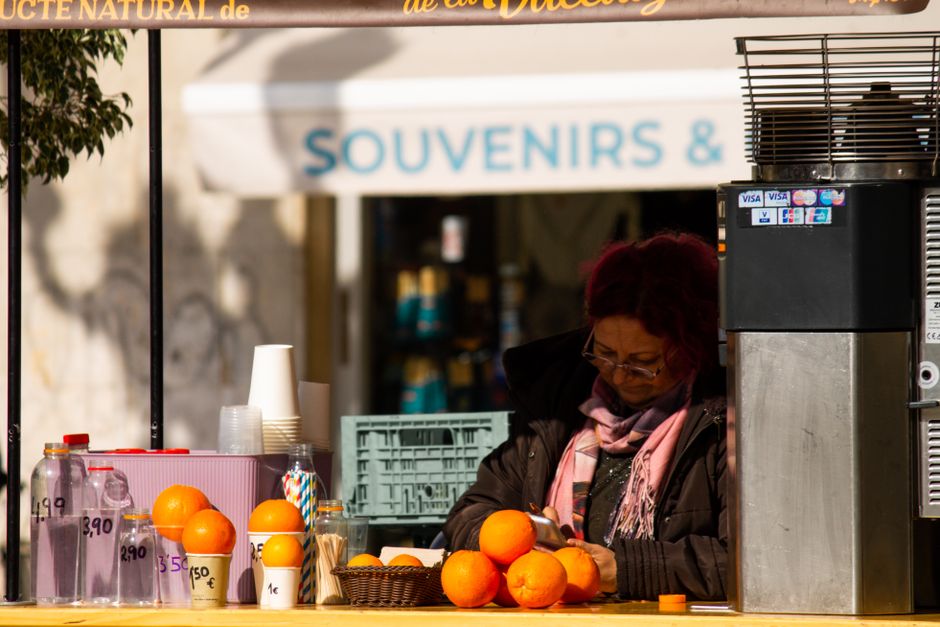
The Temptation Is Understandable
You're walking through Valencia in winter. The streets are lined with orange trees. The trees are heavy with bright, perfect-looking oranges. You're slightly hungry.
Somebody, at some point in every group of tourists, reaches up and picks one. This person is always very confident about it. Five seconds later, they are making a face that suggests they have been betrayed by something that looked exactly like food.
The oranges on Valencia's street trees are bitter oranges — Citrus aurantium, also known as Seville oranges — and they are not sweet. They're tart, intensely bitter, and completely inedible as a snack.
This is useful to know before you try one.
Why Are They Here?
Valencia planted ornamental orange trees throughout the city for reasons that make complete sense once you understand them:
They're beautiful. Glossy dark leaves, fragrant white blossom in spring, bright orange fruit from November through February. As street trees go, they're exceptional-looking.
They're hardy. Bitter orange trees tolerate Valencia's hot, dry summers better than most ornamental trees.
They're low-maintenance. The fruit isn't edible to humans or most animals, which means it doesn't attract pests, doesn't fall and create a mess that requires constant cleaning, and doesn't get stolen.
They smell extraordinary. The blossom — azahar in Spanish — is one of the defining smells of Valencia in spring. The perfume industry has used bitter orange blossom for centuries.
The city now has roughly 100,000 bitter orange trees lining its streets and parks. You'll see them everywhere from November onward, branches bowing under the weight of fruit.
Where Does the Fruit Actually Go?
This is the interesting part.
Valencia collects its bitter oranges each year and, rather than bin them, sells them. The primary buyer for many years has been the UK — specifically, British marmalade manufacturers. Seville orange marmalade is made from bitter oranges, and for a long time, Valencia supplied a significant portion of the crop.
The oranges are also used in:
- Essential oils — the peel contains a highly aromatic oil used in perfumery and food flavouring
- Liqueurs and spirits — Cointreau and other orange liqueurs often use bitter orange peel
- Pharmaceuticals — bitter orange extract has various medicinal applications
- Cosmetics — fragrance compounds extracted from both the peel and the blossom
So when you see a street sweeper collecting fallen oranges, they're not just tidying up — the fruit has a commercial destination.
What to Eat Instead
Bitter oranges are not what Valencia does with citrus for eating. For that:
Fresh orange juice is everywhere. Valencia is one of the world's great orange-growing regions, and the eating oranges — navelina, clementina, valenciana — are extraordinary. A fresh-squeezed glass from a market or juice bar costs about €1.50–2.50 and tastes like the ideal version of the thing.
The Central Market has vendors selling eating oranges by the bag. They're cheap, they're exceptional, and they're the actual product that made Valencia's orange reputation.
Horchata (if you haven't tried it yet) is made from tiger nuts, not oranges, but it's Valencia's other iconic drink and worth mentioning here as a reminder.
The Blossom Season Is Worth Timing For
If you can visit Valencia in late March or April, you'll arrive during azahar season — when the bitter orange trees are in full white blossom. The scent in the city centre on a warm evening is remarkable. Locals will stop what they're doing to point it out to you. It genuinely justifies going slightly out of your way.
The fruit and the blossom are two different, completely worthwhile things about the same tree. One is not for eating. One is reason enough to time your visit around.
For more on Valencia's seasonal rhythms — what to visit when, and what you'll miss at different times of year — the Valencia city guide has the full calendar.
Master Valencia in Minutes
Don't waste hours planning. Get our condensed, digital cheat sheet with everything you actually need.
Shop Guide on Etsy →