 ConciseTravel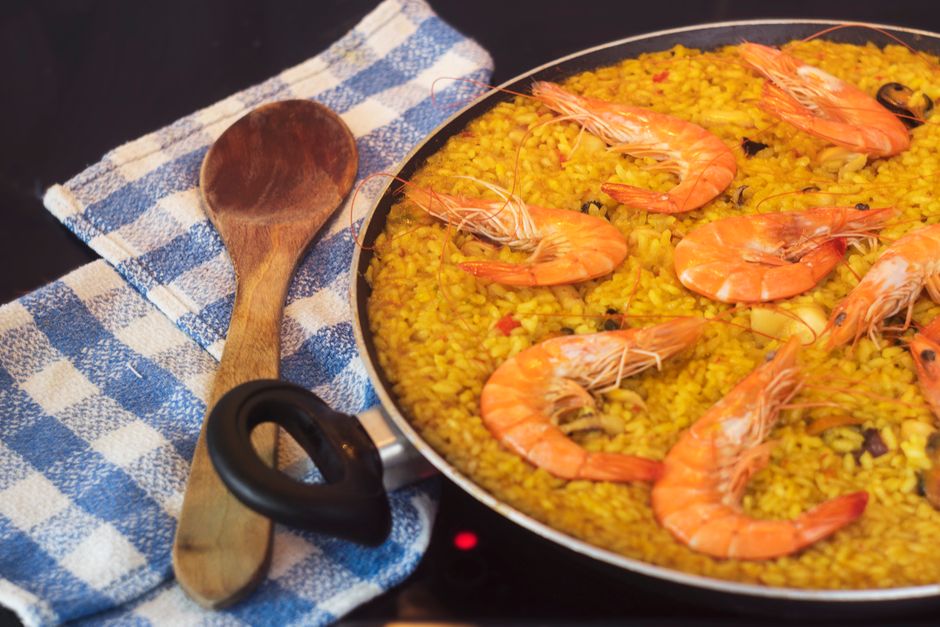
Why This One Actually Matters
You can take a paella cooking class in Barcelona, Madrid, or probably in your local city somewhere. So why does it matter where you do it?
Because in Valencia, the people teaching you grew up eating this dish. The rice they use comes from the paddy fields 20km south of the city. The rabbit and chicken in Paella Valenciana aren't a quirky historical footnote — they're what paella actually is, before the seafood variations got exported to the rest of the world and called the original.
A cooking class in Valencia is not the same as a cooking class elsewhere. The context is part of the lesson.
What You'll Actually Learn
A good Valencia paella class covers:
The rice. Valencian paella uses short-grain Bomba or Senia rice grown in the L'Albufera lake region. The rice absorbs stock while staying just firm. This is not the same as risotto rice, and the technique is completely different — you don't stir it, you leave it alone. Learning when to leave it alone is most of the lesson.
The sofregit base. Paella starts with a slow-cooked base of tomato and garlic in olive oil. Getting this right — deep, concentrated, not rushed — is what separates a good paella from a flat one. This takes longer than you expect.
The socorrat. The deliberate light crust on the bottom of the pan, achieved in the final minutes. Most tourist recipes ignore this. Most Valencians consider it the best part. A good class will teach you to listen for the sound of it forming.
The broth ratio. The correct ratio of broth to rice is everything. Too much and it's stodgy. Too little and it burns before cooking through. Getting your eye in takes practice.
What a Good Class Looks Like
You're looking for a class that:
- Uses a traditional paella pan (a wide, shallow carbon steel pan — not a wok, not a deep pot)
- Cooks over an open fire or gas burner, not a regular hob — the heat distribution matters
- Sources local rice — ask, they should know exactly where it's from
- Includes a market visit or at least explains the ingredient selection
- Feeds you what you make — cooking school, not demonstration
Classes typically run 3-4 hours and cost €50-80 per person depending on what's included. Some include a market visit, some include wine, some both.
Market Visit First, Cook Second
The best classes in Valencia start at the Central Market (Mercat Central) — Europe's largest food market — before moving to the kitchen.
This is worth paying the premium for. Walking through the market with someone who can explain which rice variety you're buying, why the tomatoes look that way, and how to tell the difference between a cooking rabbit and the wrong kind changes your relationship to what you're about to cook.
Even if your class doesn't include a market visit, go on your own the morning before. The Central Market is worth a visit in any context — it's spectacular — and arriving at the class already having held a bag of Bomba rice makes the lesson land differently.
The Dish Itself: What You're Making
A proper Paella Valenciana contains:
- Chicken (traditionally free-range)
- Rabbit (yes — this is non-negotiable in the original)
- Ferraura green beans (a flat, wide local variety)
- Garrofó (a large white bean specific to the region)
- Tomato, garlic, paprika, saffron
- Bomba rice and chicken broth
No seafood. No chorizo (please, not chorizo). No peas.
If your class is making a seafood paella, that's fine — it's a valid dish — but it's not Paella Valenciana. Know the difference before you arrive so you can ask the right questions.
After the Class
You've cooked. You've eaten. You probably have rice in your hair.
The next step is to eat it again properly — at a restaurant, by the sea, on a Sunday the way Valencians actually eat it. The class gives you the technique; the beachfront restaurant gives you the context.
For specific restaurant recommendations, which spots do the best traditional Paella Valenciana, and how to navigate the menu so you don't accidentally order the tourist version, the Valencia city guide covers it in detail.
Master Valencia in Minutes
Don't waste hours planning. Get our condensed, digital cheat sheet with everything you actually need.
Shop Guide on Etsy →