ConciseTravel
Valencia in March is defined by Las Fallas, one of the world's great street festivals, and it is not an overstatement. From 1 March to 19 March, the city fills with enormous papier-mache sculptures (fallas) that are then burned on the night of the 19th in a spectacular citywide bonfire. Outside of the festival, Valencia in March offers excellent weather, the city's magnificent paella culture, and a genuinely liveable Spanish city at some of its lowest tourist prices outside of festival weeks.
Weather
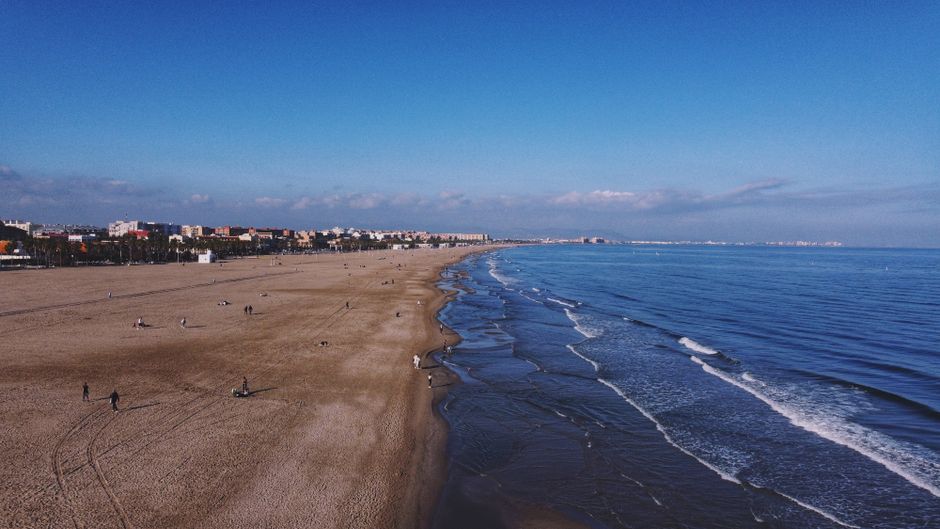
March temperatures in Valencia range from 9°C at night to 17°C to 19°C during the day. Sunshine is the default, with rain uncommon. A light jacket is useful for evenings. By late March, temperatures regularly exceed 20°C on good afternoons, and the city's beach promenade at Malvarrosa is walkable and pleasant. Valencia's Mediterranean climate makes March one of the more comfortable months in Spain for outdoor activity.
Crowds and Prices
Las Fallas (15 to 19 March) is the busiest period in Valencia's year. Hotels book out months in advance, prices spike sharply, and the city centre and key streets are packed with visitors and participants. The noise from the mascletà (daily fireworks display in Plaça de l'Ajuntament at 2pm) is extraordinary and not for the noise-averse. Outside of festival week, early and late March are excellent value: the city is quiet, prices are low, and you can enjoy Valencia's museums, paella restaurants, and the City of Arts and Sciences without crowds.
What's On
Las Fallas runs throughout the first three weeks of March, culminating in La Cremà on the night of 19 March when all the fallas sculptures are burned simultaneously. The mascletà daily fireworks run from 1 to 19 March. The festival is free to experience on the streets: the sculptures are displayed throughout the city in neighbourhoods and are worth walking between. Book accommodation for festival week at least three to four months in advance.
One Thing to Watch
The noise during Las Fallas is significant and sustained. The daily mascletà at 2pm is genuinely very loud, and the nighttime fireworks (the nit del foc on 18 March is the most intense) can be overwhelming if you are sensitive to noise. Ear protection is not unusual to see locals using for the mascletà. If you are visiting specifically for the festival atmosphere without the extreme noise, arriving after the 15th gives you the best of the sculptures and some of the atmosphere while avoiding the earlier less-curated days.
Our Valencia travel guide covers Las Fallas, the best paella restaurants, the City of Arts and Sciences, and how to navigate the city without missing what makes it one of Spain's most underrated destinations.
Master Valencia in Minutes
Don't waste hours planning. Get our condensed, digital cheat sheet with everything you actually need.
Shop Guide on Etsy →