ConciseTravel
Valencia is one of Spain's most enjoyable one-day cities. It's relaxed in the way that Barcelona and Madrid aren't, the food is genuinely excellent (this is where paella was invented), and the mix of medieval city centre and striking contemporary architecture makes for a varied and interesting day.
Getting In and Out
Valencia Airport is around 20 minutes from the city centre by Metro (Purple Line). High-speed trains from Madrid take around 1.5 hours; from Barcelona, around 2.5 hours. The Estació del Nord in the city centre is a beautiful Modernista building worth a look even if you're not taking a train.
Morning
The City of Arts and Sciences (Ciudad de las Artes y las Ciencias) is Valencia's signature contemporary landmark. Santiago Calatrava's extraordinary complex of white shell-shaped buildings includes the Hemisfèric (IMAX), the Science Museum, the Oceanogràfic (Europe's largest aquarium), and the Palau de les Arts opera house. It fills the old river bed of the Turia, now a linear park. Walk through it even if you don't go inside: the architecture is impressive enough from the outside and free to see.
From the City of Arts, walk or cycle north through the Jardins del Turia, the 9-kilometre riverside park that cuts through the city. It's one of Valencia's best urban spaces.
Afternoon
The Mercado Central is Valencia's main covered market, housed in a stunning Modernista building in the city centre. It's the right place for lunch: fresh produce, seafood, and jamón stalls, plus several bars serving montaditos and local wines. Get there before 2pm when it closes.
The Old Town around the Central Market is worth an hour's walk: the Gothic Llotja de la Seda (Silk Exchange, UNESCO World Heritage Site), the Valencia Cathedral, and the Torres de Serranos (14th-century city gates) are all within five minutes of each other.
Paella lunch, if you want the definitive Valencia experience, is traditionally a Sunday midday affair at one of the restaurants on the Albufera lake road south of the city. On a one-day visit, the best option is one of the established rice restaurants in the city centre. Lunch is the meal for paella; it's not typically served at dinner.
Evening (if time allows)
The Ruzafa neighbourhood, southeast of the Old Town, is Valencia's most interesting evening area: independent bars, restaurants, and a local rather than tourist-facing atmosphere. The streets around Calle Sueca and Calle Cádiz fill up from 7pm.
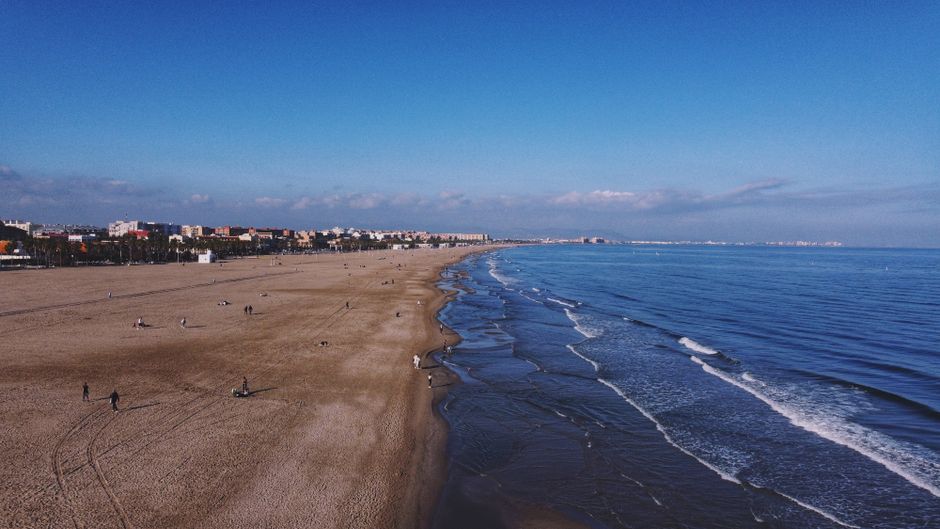
The Malvarrosa beach is 15 minutes from the city centre by bus or Metro. Not the Mediterranean Riviera, but a perfectly good city beach for a late-afternoon swim.
What to Skip
La Tomatina (the tomato-throwing festival in nearby Buñol) is in August and requires advance booking. Not something you can add spontaneously.
The Albufera Natural Park, south of the city, is worth visiting but needs a half-day and ideally a guided boat tour. Save it for a longer stay.
Valencia is genuinely one of Spain's best cities. Our Valencia guide covers the food, the architecture, and how to see the city beyond the tourist highlights.
Master Valencia in Minutes
Don't waste hours planning. Get our condensed, digital cheat sheet with everything you actually need.
Shop Guide on Etsy →