ConciseTravel
If you have done any research on visiting the Scottish Highlands in summer, you have encountered the midge. Specifically, the Culicoides impunctatus, a tiny biting fly so small it is barely visible individually. In groups of several hundred, which is how they travel, they are the most complained-about aspect of a Highland summer.
They are real. They are annoying. They are also manageable, and with the right information, they need not ruin a single day of your trip.
What Midges Actually Are
The Highland midge is a 1 to 2mm biting insect. Only the female bites (she needs blood protein for egg development). They do not carry disease. The bite itself is a small red welt that itches for an hour or two. Unpleasant but not dangerous.
The reason they are so disproportionately famous is the sheer number of them. In optimal conditions, billions of midges emerge simultaneously in the west Highlands. Walking into a midge cloud in Torridon at dusk without protection is an experience you do not want repeated.
When Midges Are Worst
Season: Late May through September, peaking in July and August.
Time of day: Dawn and dusk. Midges are most active in the two hours after sunrise and the two hours before and after sunset. Midday is generally less of an issue.
Weather conditions: Midges cannot fly in wind above around 7 mph. They are also inactive in direct bright sunlight and in heavy rain. The worst conditions for humans and ideal for midges are still, overcast, humid air: the classic west Highland summer evening.
After rain: When a dry spell breaks, midge numbers spike as newly hatched insects emerge simultaneously.
Where Midges Are Worst
West coast over east coast: The damp, humid west coast of the Highlands, particularly around Loch Lomond, Torridon, Wester Ross, Knoydart, and Skye, has significantly worse midge populations than the drier east coast around Inverness and the Moray coast.
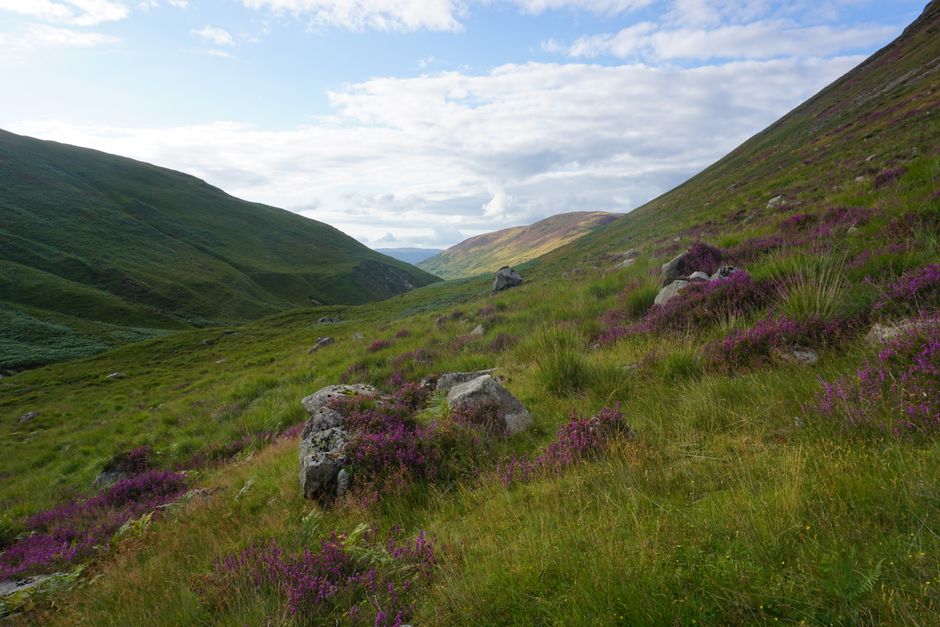
Low-lying areas near water: Boggy ground, loch shores, and forest edges concentrate midge populations. Open hilltops with any breeze are dramatically better.
Campsites without a breeze: The least favourite place to be at dusk in August is a sheltered campsite in a Highland glen.
What Repellent Actually Works
This is the information people want and get wrong most often. Standard DEET products work but not especially well against Highland midges. Two products consistently outperform everything else:
Smidge
Smidge is a Scottish product developed specifically for Highland midges. It uses Saltidin (also known as Icaridin or Picaridin) rather than DEET, which is more effective against Culicoides species and gentler on skin and fabrics. It lasts around 8 hours per application and does not dissolve plastic or synthetic materials (which DEET can).
Smidge is widely available in outdoor shops across the Highlands, in petrol stations, and online. It is the most commonly recommended product by Highlanders who spend time outdoors.
Avon Skin So Soft (Dry Oil Spray)
Avon Skin So Soft is a body oil that has become genuinely famous among Highland workers, outdoor enthusiasts, and even some military training operations in Scotland as a midge deterrent. It is not sold as an insect repellent, but it works.
The specific product is the Dry Oil Spray version. It has a citrus-like scent that midges find unappealing. It lasts 2 to 3 hours and leaves skin moisturised. It costs a fraction of specialist repellents.
Available from Avon directly, Amazon, and increasingly from outdoor shops in tourist areas.
What to Avoid Depending On
Standard DEET products provide some protection but require frequent reapplication and are less effective than Smidge specifically against Highland midges. They remain useful as a backup.
In Highland conditions, wind variability makes candles unreliable.
Gear That Helps
A midge head net: A fine mesh net worn over the head and neck. Looks absurd. Works completely. Non-negotiable for people camping in west Highland summer conditions. Available in any outdoor shop for a few pounds.
Clothing: Long sleeves and trousers eliminate bite surface. Midges cannot bite through fabric. Loose weave fabrics are not midgeproof; tight weave or synthetic technical fabrics are better. Light colours attract fewer midges than dark colours.
Keep moving: Midges cannot fly at the pace of a normal walk. They attack stationary targets. If you are in a midge area, do not sit still at dusk without protection.
Practical Strategy for the Trip
- Check the midge forecast: The Scottish Midge Forecast (midgeforecast.co.uk) gives a regional forecast rating from 1 to 5. Use it before planning outdoor evening activities
- Choose campsites with coastal exposure or elevation: Even a light sea breeze keeps midges away. Inland, sheltered glens are the worst for camping
- Adjust your outdoor timing: If you are in a high-midge area, plan loch-side walks for midday rather than dusk. Sunrise at the Old Man of Storr is genuinely spectacular and largely midge-free because of the altitude and exposure
- Take antihistamine: If you react badly to bites, a non-drowsy antihistamine tablet reduces the itching and swelling considerably. Worth packing regardless
Should You Change Your Travel Dates?
If you have a choice and midge tolerance is a genuine concern, May and September offer much lower midge populations than July and August. The Highlands in May are still beautiful, the weather is often better than peak summer, and the main sites are less crowded. A win in every respect.
If July or August is fixed, the midges are manageable with the right products. Thousands of people have perfectly enjoyable Highland summers. You just need to be prepared rather than ambushed.