ConciseTravel
San Francisco's famous piece of advice, often misattributed to Mark Twain, that the coldest winter he ever spent was a summer in San Francisco, captures something real about the city's climate. San Francisco in winter is actually warmer than its summer reputation, but it is also unpredictable, often windy, and the fog that defines the city's character does not disappear in December. Pack layers. More layers than you think you need.
The Real Winter Temperature Story
San Francisco in December averages 12-14C. January is the coolest month at 11-13C. February is similar. These are genuinely mild temperatures by any comparison with European or East Coast American winters. But San Francisco's micro-climates mean that the temperature in the Mission District and the temperature on Twin Peaks can differ by 5-7C at the same moment. The ocean wind, the bay wind, and the fog all produce conditions that feel significantly colder than the thermometer suggests.
The city also experiences its rainy season in winter, with December and January being the wettest months. Rain in San Francisco comes in real downpours when it arrives, unlike the gentle drizzle of some coastal cities. December and January can have weeks of clear, dry, gorgeous weather alternating with days of significant rain. You need to be ready for both.
City-Specific Cold-Weather Must-Haves
A medium jacket. The core San Francisco winter item. Something with genuine warmth for the wind and cool evenings, but not a heavy winter coat. A down gilet with a fleece works. A good insulated jacket works. A light puffer works.
A windproof layer. The ocean wind in the Sunset and Richmond districts and across the Golden Gate Bridge is consistent and cold. A windproof outer layer makes a meaningful difference on the more exposed parts of the city.
Multiple thin layers. San Francisco's micro-climates make this essential. You might start a morning walk in the fog at 10C, have lunch in the Mission at 18C in direct sun, and end the afternoon at Land's End in 11C ocean wind. Layers you can add and remove are the only sensible approach.
A compact rain jacket. For when the winter rain arrives. Compact enough to carry in a day bag without adding significant bulk.
Comfortable walking shoes. San Francisco's hills are famous for a reason. Nob Hill, Russian Hill, and Potrero Hill all involve serious elevation changes. Whatever you pack, make sure it can handle a full day of steep urban walking without destroying your feet.
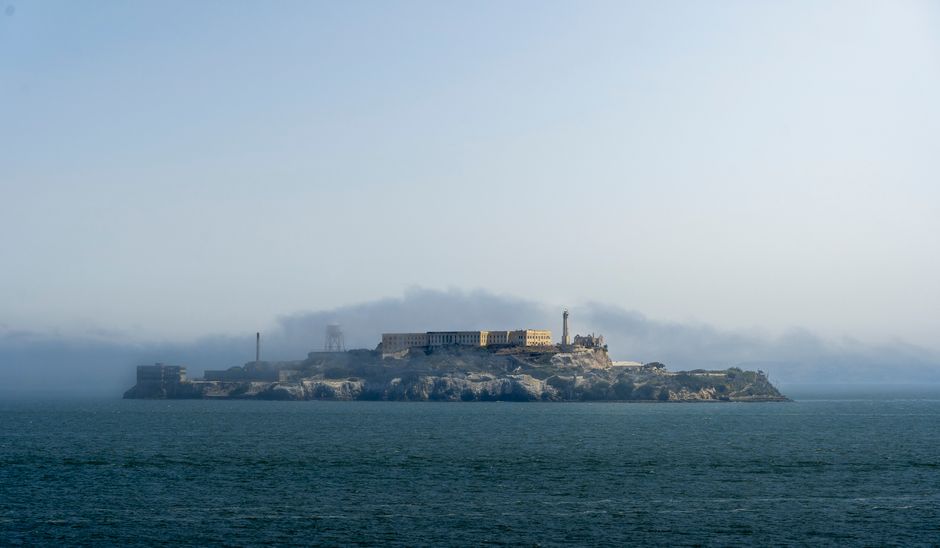
Layers for Alcatraz. The island is cold and exposed. Anyone doing the Alcatraz tour, which is the right call at any time of year, should plan to be considerably colder on the island than in the city.
What to Leave Behind
Heavy winter coats. San Francisco in January does not reach genuinely cold temperatures. A medium jacket with layers handles everything.
Only summer clothing. The opposite mistake: light clothing without layers will leave you cold in the wind and fog by early afternoon.
Impractical footwear. San Francisco's hills are not manageable in flat fashion shoes or heels. Comfortable, grippy footwear is the practical choice.
Sandals as your primary option. Possible on warm sunny days, but not a reliable basis for a San Francisco winter trip.
Packing it Together
Medium insulated jacket, windproof layer, multiple thin mid-layers, compact rain jacket, and comfortable grippy shoes. San Francisco in winter is a genuinely excellent city break: the food scene in the Mission, the Bay views, the Golden Gate, and Alcatraz are all better without summer's fog-and-crowd combination.
The ConciseTravel San Francisco guide covers the neighbourhoods, the Golden Gate, Alcatraz booking, and the best food spots across the city: https://concisetravelguides.etsy.com/uk/listing/4472876305/san-francisco-guide-travel-itinerary
Master San Francisco in Minutes
Don't waste hours planning. Get our condensed, digital cheat sheet with everything you actually need.
Shop Guide on Etsy →