ConciseTravel
San Francisco in autumn confuses visitors who expected California to mean warm and sunny. The city has its own microclimate -- the Pacific fog, the Bay wind, and the geography of its hills -- that produces cool, frequently overcast conditions in summer and autumn alike.It does not always arrive, and you should not count on it. The packing rule for San Francisco is simple: layers, always.
The Autumn Layering Problem
September in San Francisco averages 17-21 degrees on the warmest days but frequently sits at 14-17 degrees with fog from the morning until mid-afternoon. October averages 15-18 degrees with similar fog patterns and the Bay wind picking up. November drops to 12-15 degrees, wetter, and with more consistent overcast.
The neighbourhood variation adds complexity. The Mission District and areas to the south and east of the city are noticeably warmer and sunnier than the Richmond, the Sunset, and the western neighbourhoods that sit directly in the fog belt. A warm Mission afternoon and a cold, foggy Sunset morning are happening simultaneously across the same city. If you are moving between different parts of San Francisco -- and you will be -- you're dressing for different conditions.
San Francisco-Specific Essentials
A good jacket for every day. Not a winter coat, not a light summer layer -- a quality mid-weight jacket that handles cool air and Bay wind. A leather jacket, an insulated bomber, or a quality wool jacket works year-round in San Francisco and handles the full autumn range.
Layers beneath the jacket. The temperature in San Francisco shifts with the fog. You may need your jumper in the morning, remove it by afternoon, and put it back on by 4pm. A cardigan or a light wool jumper in your bag handles this cycle.
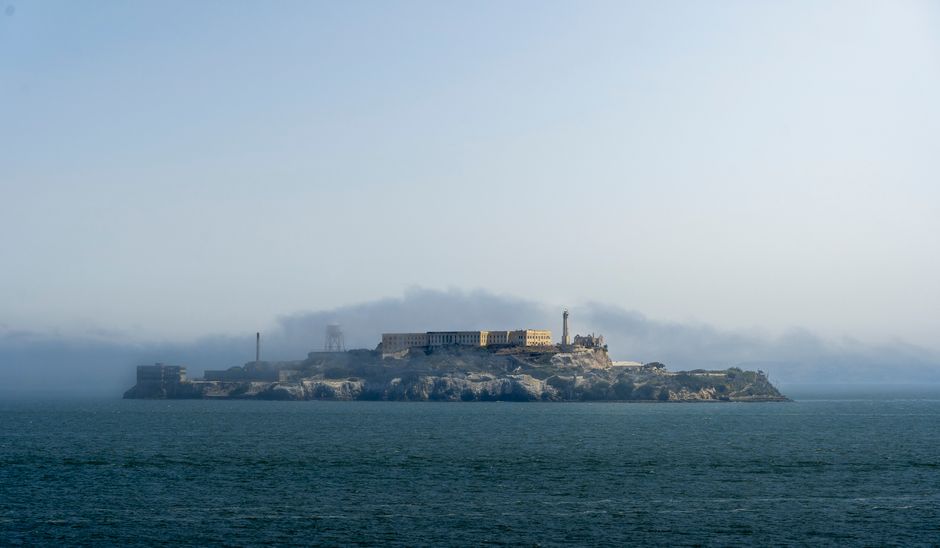
Windproof outer layer for outdoor sightseeing. The Golden Gate Bridge, the Marin Headlands, Alcatraz, and the Bay walk are all exposed to the Pacfic wind. A windproof layer is significantly more useful than an umbrella on most autumn days.
Comfortable shoes for hills. San Francisco's terrain is genuinely steep in places. The Filbert Steps to Coit Tower, the Lombard Street area, and the approach to Twin Peaks are real inclines on uneven surfaces. Comfortable, grippy shoes handle both the hills and the flat areas.
A scarf and light gloves for fog days. On foggy September and October mornings, a scarf adds meaningful warmth without requiring a full winter wardrobe change.
A compact waterproof layer for November. November brings more rain to San Francisco. A packable rain jacket or a compact umbrella handles the wetter days.
What to Leave Behind
The expectation of warm California weather. San Francisco regularly surprises visitors with its coolness. Tourists freezing on Fisherman's Wharf in summer are a reliable annual occurrence. Autumn is the same.
Sandals. Light closed shoes or trainers work in San Francisco. Sandals on the hills are impractical and often cold.
Heavy winter coat. San Francisco does not get genuinely cold. A good mid-weight jacket and proper layers handle everything the city throws at you in autumn.
The Layers Rule Works Every Day
The only real packing mistake in San Francisco is expecting warmth and packing thin. Layer up, put a good jacket at the centre of your wardrobe, and the city -- the Bay views, the Ferry Building, the Haight and the Mission and the waterfront -- works in autumn as well as any season.
Our San Francisco Guide covers the neighbourhood breakdown, BART and Muni navigation, and the city's most rewarding experiences by area. Find it at the link below.
Master San Francisco in Minutes
Don't waste hours planning. Get our condensed, digital cheat sheet with everything you actually need.
Shop Guide on Etsy →