ConciseTravel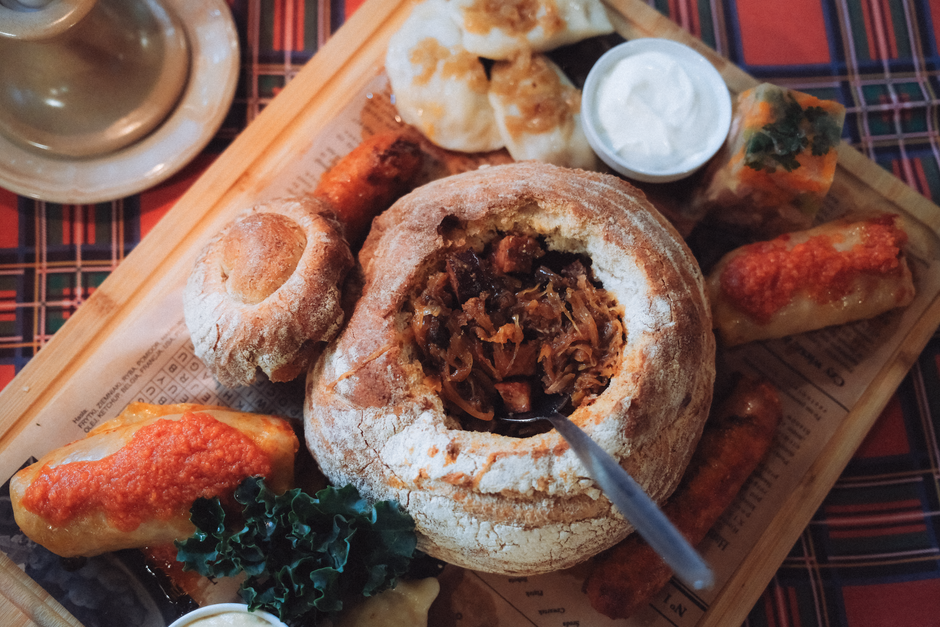
Polish cuisine is hearty, specific to its geography, and largely unknown outside its borders. Warsaw is the best place to eat it seriously — the city has a range of traditional restaurants, milk bars, and street food stalls that cover everything from the canonical dishes to regional variants. Here's what to order and why.
Pierogi: The Non-Negotiable
Dumplings of varying sizes filled with different things and cooked different ways. The three main variants:
Ruskie (Ruthenian): filled with potato, quark cheese, and onion. The most common. Not remotely Russian despite the name — "ruskie" refers to the historical Ruthenian region. Boiled until soft, then usually pan-fried in butter until the edges go golden. Served with fried onion and sour cream.
Z kapustą i grzybami (sauerkraut and mushroom): vegetarian, often more complex in flavour than the Ruskie. Traditional for Christmas Eve but available year-round.
Z mięsem (meat): pork and beef filling, usually served fried. The most substantial version.
Pierogi are made fresh daily at any decent restaurant or milk bar. The fried version is better than the plain boiled. Get both if you can.
Żurek: The Most Distinctly Polish Dish
Sour rye soup — a fermented rye-flour base that gives the soup a specific sour, tangy flavour unlike anything in Western European cooking. It contains a hard-boiled egg, white sausage (biała kiełbasa), and usually horseradish. It is frequently served in a hollow bread roll.
Żurek is the dish most people discover in Warsaw and can't stop thinking about afterwards. It is deeply unfamiliar and then immediately addictive. Order it at a milk bar or any traditional restaurant.
Bigos: The National Stew
Sauerkraut, fresh cabbage, pork, kiełbasa, sometimes game, mushrooms, sometimes a splash of red wine or beer. Cooked slowly over hours, refrigerated, reheated. Bigos is one of those dishes that improves dramatically over multiple days of reheating — the version made yesterday is better than today's, and the version made four days ago is better still.
Every Polish family has their own version. Restaurant bigos is rarely as good as the home version but is still worth ordering alongside anything else.
Kotlet Schabowy: Poland's Schnitzel
Breaded pork cutlet — pork by default (unlike the Viennese Schnitzel, which should be veal). Hammered thin, breadcrumbed, fried. Served with mashed potato and braised cabbage or sauerkraut. Found on every milk bar and traditional restaurant menu. The quality indicator: it should be thin enough to be properly crisp, not thick and doughy.
Barszcz: Beetroot Soup
Ruby-red clear beetroot soup, usually served with small mushroom-filled dumplings (uszka). The Christmas Eve version is the most famous but it's available year-round. A different dish from Russian borscht — Polish barszcz is clear and intense, not creamy.
Zapiekanka: Warsaw Street Food
Half a baguette, topped with mushrooms and melted cheese, grilled until hot and slightly charred. The quintessential Polish street food, found at bar mleczny counters and street kiosks throughout the city. Cheap (8–12 PLN), filling, and best eaten standing up.
Where to Eat
Traditional restaurants: Restauracja Polska in the Old Town area, U Fukiera on the Market Square (upmarket), any milk bar for the most authentic budget version. For pierogi specifically: Zapiecek (a pierogi chain, several locations — reliable and fairly priced).
Master Warsaw in Minutes
Don't waste hours planning. Get our condensed, digital cheat sheet with everything you actually need.
Shop Guide on Etsy →