 ConciseTravel
Yes, the Scottish Highlands are safe for tourists. Crime against visitors is extremely rare in this sparsely populated part of the UK, and communities throughout the Highlands are generally welcoming and helpful to travelers. The safety considerations here are almost entirely environmental: mountains, weather, remoteness, and the gap between what people expect and what the Highlands actually delivers.
The Real Risks
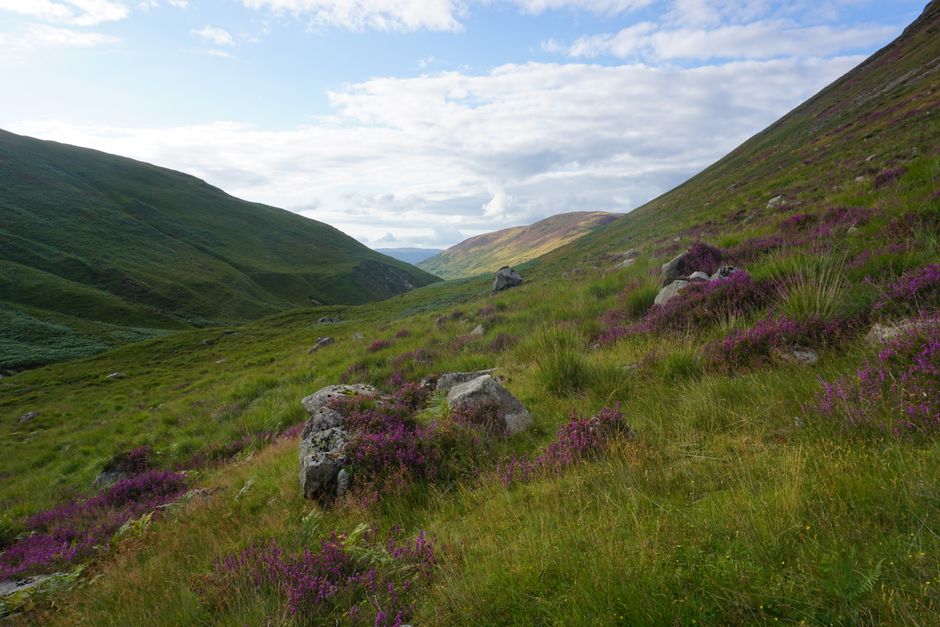
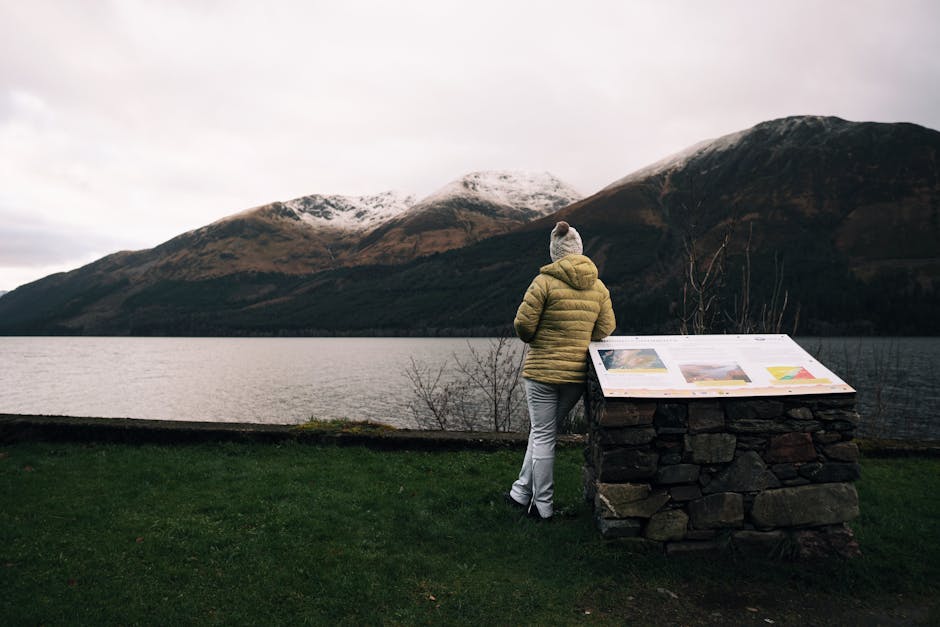
Mountain weather is the primary hazard. The Scottish Highlands have some of the most unpredictable and severe weather in Europe. Ben Nevis (the UK's highest mountain), the Cairngorms, and the Cuillin Ridge on Skye are serious mountain environments where conditions can deteriorate from pleasant to dangerous within an hour. Wind, rain, snow (possible any month), and cloud on the summits are the norms, not the exceptions.
Navigation on open moorland and on the higher routes requires a map, compass, and the skills to use them. Mobile signal is absent across large areas of the Highlands. Relying on a phone as your sole navigation tool in these conditions is a serious risk.
Remoteness is itself a factor. If something goes wrong in a remote glen or on a high ridge, help can take hours to arrive. Mountain rescue teams do an extraordinary job, but self-sufficiency matters.
Midges (tiny biting insects) in summer (June to September) are an infamous feature of the western Highlands. They don't cause injury but can make outdoor activity genuinely unpleasant without appropriate repellent and clothing.
Solo Travel and Specific Groups
Solo hikers should always register their routes and expected return times with someone. This is especially important on the Munros (mountains over 3000 feet) and any multi-day routes like the West Highland Way.
The Highlands are broadly welcoming to all visitors. Scottish communities are known for their hospitality, particularly in smaller villages and on the islands.
Practical Safety Tips
- Check a mountain weather forecast (MWIS) before any hill or mountain walk.
- Carry waterproofs, warm layers, a map, a compass, and enough food and water.
- Download offline OS maps before entering areas without phone signal.
- Tell someone your planned route and expected return before heading into remote areas.
- Carry midge repellent (Smidge is the locally recommended brand) for west coast and island trips in summer.
Our Scottish Highlands guide covers the key routes, bases, and practical logistics for one of Europe's most dramatic and rewarding landscapes.