ConciseTravel
Five days in Valencia is comfortable. It's one of Spain's most enjoyable cities to spend time in, with enough to fill a week if you move slowly, but genuinely satisfying at five days if you don't try to do everything. It's the kind of city that rewards loafing as much as sightseeing, which makes the pacing easy to get right.
What You Can Realistically Do
The City of Arts and Sciences, Santiago Calatrava's extraordinary futuristic complex at the end of the old riverbed, is a half-day on its own. The Oceanografic aquarium inside the complex is the largest in Europe and worth a full afternoon if that's your thing. The old town, particularly the Cathedral and the Mercado Central, is a full morning done properly. The Barrio del Carmen, Valencia's oldest neighbourhood and now its most creative, deserves a full afternoon and evening, wandering the street art, independent bars, and narrow medieval streets.
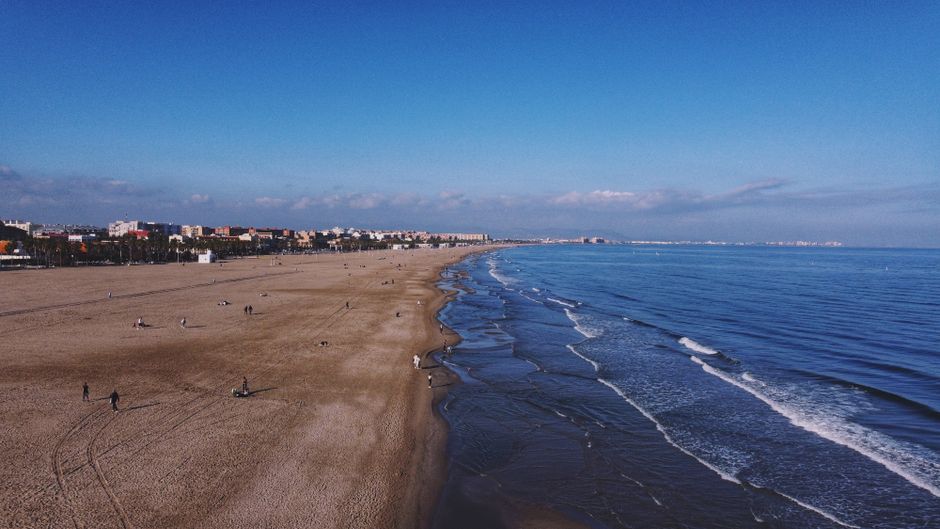
Five days also gives you time for the beach. Valencia's beaches, Playa de la Malvarrosa and Playa de las Arenas, are accessible in 20 minutes by tram and are genuinely good. A full beach afternoon with paella at one of the beachfront restaurants is exactly as enjoyable as it sounds. The Albufera Nature Reserve, just south of the city, is where Valencia's paella tradition comes from: a lagoon trip by boat and lunch at a local restaurant is one of the better half-days anywhere in Spain.
What You'll Probably Miss
Five days won't give you the full coastline. Denia, Javea, and the Costa Blanca to the south are all worth visiting but need a separate trip. The Valencian hinterland, with its mountain villages and wine country around Utiel-Requena, is easy to miss entirely unless you specifically plan for it. The Palau de les Arts and IVAM modern art museum are both worth visits but tend to get cut from shorter stays.
How to Make the Most of It
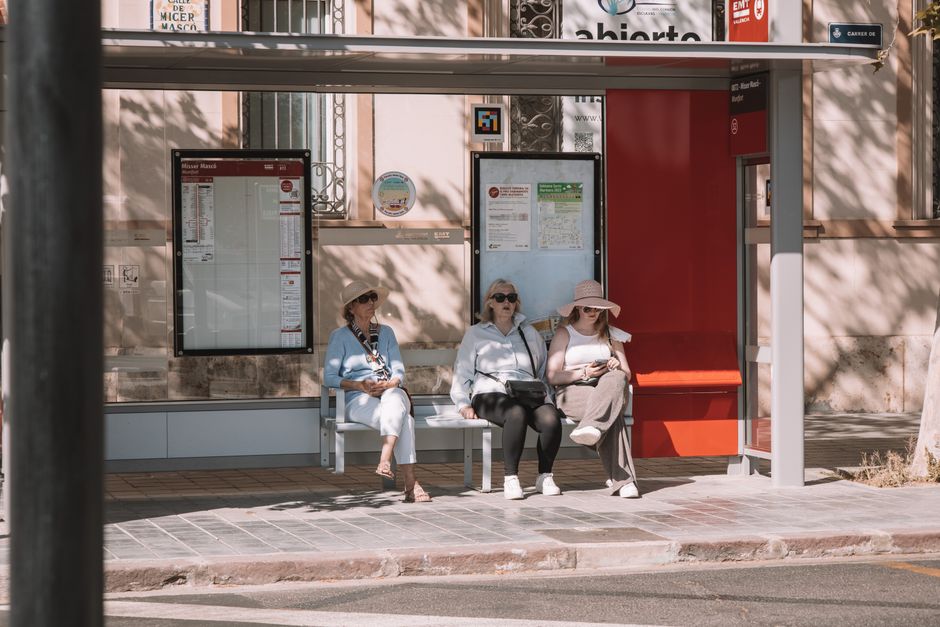
Valencia is well-connected by metro, tram, and bike. The tram to the beach is fast and cheap. Cycling the old riverbed, which has been converted into a long green park and cycle path running through the city, is one of the most pleasant ways to spend a morning and puts the whole city in context.
Avoid July and August if possible: the heat is oppressive and the beach crowds are significant. March, when Las Fallas takes place, is one of Spain's great festivals but requires very early hotel booking. May and October are excellent.
Our Valencia guide covers how to split the five days between the city, the beach, and the Albufera, which paella restaurants are worth the trip, and how to navigate the city without a car.
Master Valencia in Minutes
Don't waste hours planning. Get our condensed, digital cheat sheet with everything you actually need.
Shop Guide on Etsy →