ConciseTravel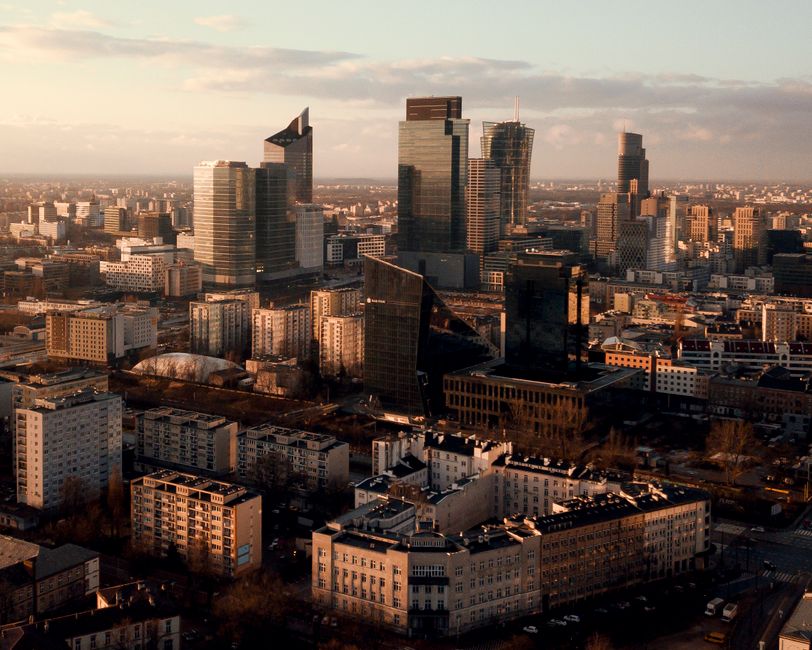
Three days in Warsaw is comfortable. Poland's capital is a medium-sized city with a fascinating and often difficult history, a completely rebuilt Old Town, and a contemporary culture that has emerged strongly in recent decades. Three days gives you the main historic and cultural sites, the best museums in the country, and enough neighbourhood time to get past the rebuilt surface into something more genuine.
What You Can Cover in 3 Days
Three days in Warsaw covers the significant sights and a couple of neighbourhoods:
- The Old Town and the Royal Castle. Warsaw's Old Town was completely destroyed in the Second World War and meticulously rebuilt in the 1950s and 60s from historic records. It's UNESCO-listed as an example of historic reconstruction. The Royal Castle has good interiors and a clear account of the city's history. Allow a morning.
- The Warsaw Rising Museum. The most important museum in the city, telling the story of the 1944 uprising against Nazi occupation. One of the best-designed history museums in Europe: emotionally demanding and thoroughly done. Allow three to four hours and go early in the day.
- The Palace of Culture and Science. The Stalin-era skyscraper that dominates the city skyline. Love it or find it oppressive, it's the defining feature of Warsaw's silhouette and the observation deck at the top gives the best view of the city.
- Praga District. The neighbourhood east of the Vistula River, across from the Old Town, was largely untouched by wartime destruction and has a very different character: crumbling pre-war buildings, street art, independent bars, and a slower pace than the rebuilt west bank.
- Lazienki Park and the Royal Baths. The largest park in Warsaw, with a palace on a lake, peacocks, and open-air Chopin piano concerts on summer Sunday afternoons. A good slower morning.
What You'll Miss
- Krakow. About two and a half hours by express train. A completely different Polish city and the one most visitors compare Warsaw unfavourably to. Worth a separate trip rather than a day trip.
- The POLIN Museum of the History of Polish Jews. One of the most significant cultural institutions in Europe, in the former Jewish Quarter of Muranow. It competes with the Warsaw Rising Museum for the same half-day of concentrated historical engagement. Both deserve proper time; three days lets you do one well.
How to Make the Most of It
- Do the Warsaw Rising Museum on day one. It reframes everything else you see in the city. Visiting it after you've already formed impressions is a lesser experience than having it inform the whole trip.
- Cross to Praga for at least one evening. The neighbourhood on the east bank is where the city's more independent bar and restaurant culture has settled. It's a fifteen-minute walk or a short tram ride from the Old Town.
- Don't write off Warsaw as the lesser Polish city. The comparison with Krakow is common and unfair. Warsaw has a different kind of depth: a city that was erased and rebuilt itself, which is its own remarkable story.
- Use the metro and trams. Warsaw has a two-line metro and an extensive tram network. Both are cheap and efficient for getting between the historic centre, Praga, and Lazienki.
The Honest Verdict
Three days in Warsaw is enough for a visit that feels complete and genuinely engaging. The history is heavy and significant; the contemporary city is interesting and undervalued. Three days gives you both layers without rushing either.
Our Warsaw guide covers the museum sequencing, the Praga neighbourhood, and the transit options: Warsaw city break guide.