 ConciseTravel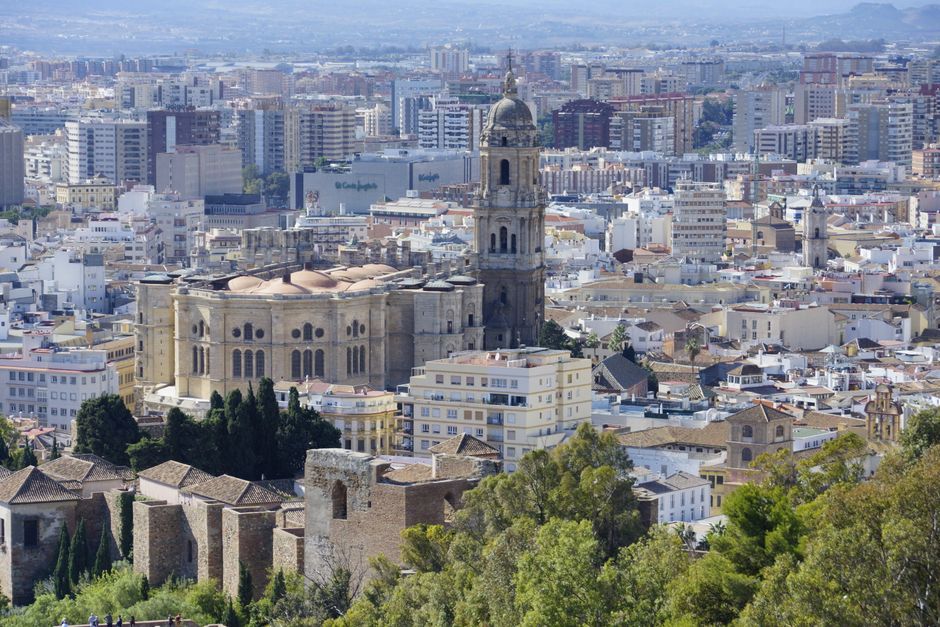
Seville and Malaga make a stronger pairing than most people expect. Seville is the grand Andalusian capital — cathedral, Alcázar, tapas culture. Malaga is a coastal city that has shaken off its airport-hub reputation and become one of southern Spain's most interesting urban destinations in its own right. The fast train between them takes under 2 hours, which makes this one of the easiest two-city combinations in Spain.
Why This Combination Works
Seville gives you the full Andalusian-historic-city experience: monuments, flamenco, long evenings in the barrio. Malaga gives you the sea, a compact old city built around Picasso's birthplace and a genuinely good museum scene, and the option of using it as a launch point for the Costa del Sol and Cádiz beyond. The two cities don't compete — they complement.
Recommended Split
For a short trip (6 nights total): 4 nights Seville, 2 nights Malaga. Seville needs and rewards more time; Malaga's core is smaller and can be covered thoroughly in two full days.
For a longer trip (8 nights total): 4 nights Seville, 4 nights Malaga. Four nights in Malaga makes sense if you want day trips to Cádiz, Ronda, or the Caminito del Rey.
Getting Between the Cities
Take the AVE high-speed train from Seville Santa Justa to Malaga Maria Zambrano. Journey time is around 1h45min-2h. This is comfortable, central, and the obvious choice. Tickets start from around €20-40 one-way booked through Renfe in advance.
The bus (ALSA) takes around 2.5-3 hours and is cheaper, but the time difference makes the train worth the extra cost.
Which City to Visit First
Start in Seville. It's the more demanding city and better suited to the first half of a trip when energy is high. Ending in Malaga — lighter in atmosphere, coastal, with good beaches a short walk from the centre — makes for a satisfying wind-down.
What Each City Adds to the Trip
Seville
Seville brings the Real Alcázar (one of the finest examples of Mudéjar architecture in Europe), the Gothic cathedral, the Triana neighbourhood across the river, and the most theatrical tapas culture in Spain. Evenings here are genuinely special — late, warm, and social in a way that northern Spain never quite matches. The must-try tapas list is a good starting point for eating your way through the barrio.
Malaga
Malaga adds the Picasso Museum in the house where he was born, the Alcazaba fortress above the port, the Teatro Romano, and a food scene centred around espetos (grilled sardines over beach fires) and excellent wine from the Montes de Malaga. The old town is walkable in an hour and pretty at night.