ConciseTravel
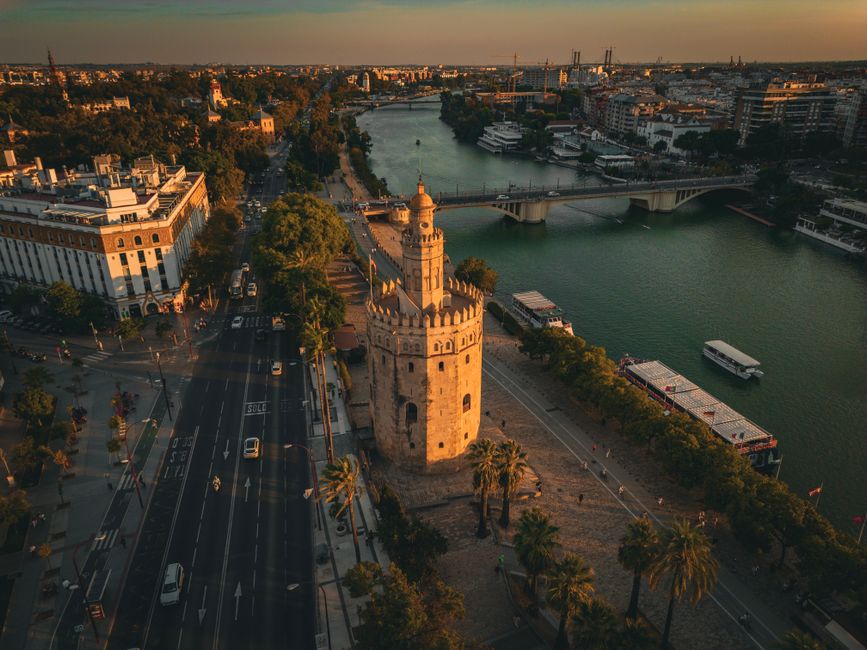
You cross the Isabel II bridge and Seville changes character immediately. Triana is the barrio that doesn't try to be charming and is more charming for it — a working-class neighbourhood with 900 years of ceramics tradition, genuine flamenco DNA, and a covered market where locals still do their weekly shopping.
It's 15 minutes from the Cathedral and a completely different world.
The Ceramics Quarter
Triana has been producing hand-painted azulejo tiles since the 12th century. The tradition isn't dead — it's on one street.
Calle Alfarería is where to go. Walk south from the bridge along the riverbank and turn onto it. A dozen workshops and studios where artisans still paint tiles by hand using techniques older than the printing press.
Cerámica Santa Ana (since 1870) is the most established — enormous showroom, workshop visible from the street. Triana Ceramics and Oriente nearby are smaller and more willing to show you the process if you ask.
What to buy: individual decorative tiles (around €3-8 each), hand-painted plates, small ornamental pieces. The machine-printed tourist tiles sold near the Cathedral look different and cost about the same. Don't buy those.
There's also a small free ceramics museum in a former kiln on Calle Antillano Campos that explains the Moorish origins and industrial history of the craft. Worth 30 minutes if the process interests you beyond the shopping.
Flamenco Here vs. Everywhere Else
Triana's gypsy community is where flamenco has its most direct lineage. The barrio has produced some of the form's most important figures. The tradition here runs deeper than in the tablao circuit aimed at tourists.
The difference that matters:
- Peñas flamencas are private clubs where enthusiasts gather. Some allow visitors for events. These are informal, often in back bars, fundamentally different from anything you'll book through a hotel concierge.
- Tablaos are commercial shows. They vary in quality. La Sonanta in Triana is small and more intimate than the large venues in the historic centre.
The honest advice: if you want to see flamenco in Triana, ask your accommodation for current peña events rather than booking a packaged show. A casual neighbourhood performance in Triana is worth ten polished tablaos in Barrio Santa Cruz.
Walk Calle Betis at dusk — the riverfront promenade on the Triana side. Street performers appear here, some more serious than the tourist-aimed kind.
Mercado de Triana: Eat Here
Just off the bridge entrance, this covered iron-and-glass market has been here since the 1820s. Ground floor is a working neighbourhood food market. The perimeter has tapas bars where local families eat on Saturday morning.
What to order:
- Gambas al ajillo (garlic prawns): fresh, simply prepared, a fraction of the Cathedral-adjacent price
- Carne mechada (braised shredded beef): distinctly Sevillian, served on bread or alone
- Pastries and local bakery items near the entrance
When to go:
- 10am-1pm for the freshest produce and morning coffee at the counters
- 1-3pm for lunch — bar stools fill up fast
- Closed Sundays and most public holidays
Getting There and Back
15-minute walk from the Cathedral across the Isabel II bridge. No metro stop in Triana — bus lines C3 and C4 run along the riverfront. Most people walk.
Return via Calle Betis: outdoor terrace bars facing Seville's old city skyline. At golden hour, one of the better views in the city.
What to Skip
The souvenir shops near the bridge entrance. Machine-printed tiles, mass-produced fans, same inventory as near the Cathedral. Walk further into Triana before you spend anything.
For neighbourhood logistics, market hours, and how Triana fits into a full Seville day, the Seville ConciseTravel guide covers it all.