 ConciseTravel
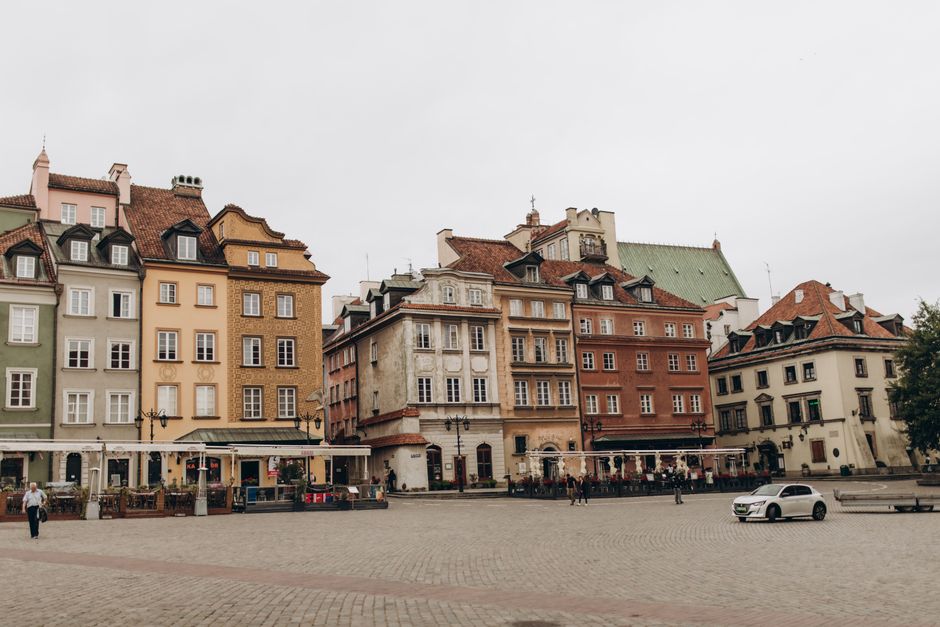
Warsaw is often overlooked in favour of Kraków, which is a mistake. It is a big, confident, modern capital with a remarkable story, excellent food and prices that still feel fair for a European capital. Here is what we'd want to know before a first visit.
The Old Town was rebuilt from ruins
Around 85% of Warsaw was destroyed in the Second World War. The Old Town you walk through today was painstakingly rebuilt after the war, using paintings, photographs and drawings as reference. It is a UNESCO World Heritage Site because of that reconstruction.
Knowing this changes how you see the place. Look out for photos on display around the Old Town showing what the streets looked like in 1945.
Make time for the history
Warsaw's 20th-century history is one of the most dramatic of any European city, and two museums bring it to life:
- The Warsaw Uprising Museum tells the story of the 1944 uprising. It is powerful and very popular, so check opening times and ticket options on the official site.
- POLIN Museum of the History of Polish Jews covers a thousand years of Jewish life in Poland, in a striking modern building.
Give each at least two to three hours. Doing both on the same day is a lot.
It's a modern city too
Beyond the Old Town, Warsaw is all glass towers, Soviet-era landmarks, riverside bars and creative neighbourhoods. Don't miss:
- The Palace of Culture and Science, a gift from Stalin, with a viewing terrace.
- Praga, across the river, an edgier neighbourhood of street art and old courtyards.
- The Vistula boulevards, lively with bars and people in summer.
Getting around is easy
Warsaw has an efficient metro, trams and buses, all on the same ticket system. Contactless payment at machines and on board makes it simple. Taxis and ride-hailing apps are cheap by Western European standards.
Money
Poland uses the złoty, not the euro. Cards are accepted almost everywhere. If you do need cash, use a bank ATM rather than the brightly branded standalone machines, and always choose to be charged in złoty rather than your home currency.
Eat Polish
- Milk bars (bar mleczny): simple, cheap canteens serving traditional dishes. A Warsaw institution.
- Pierogi: dumplings with endless fillings.
- Żurek: sour rye soup, often served in a bread bowl.
- Modern Polish restaurants: Warsaw's fine-dining scene has grown fast, and it's good value compared with Western Europe.
When to go
Late spring to early autumn is the most pleasant. Winter is cold, but the Christmas market and Old Town lights make December appealing.
How many days do you need?
- Two days: enough for the Old Town, the Royal Route and one major museum.
- Three days: the sweet spot, adding the Warsaw Uprising Museum, the POLIN Museum and Praga.
- Four days or more: add a day trip to Łódź or Krakow, which is easy by fast train.
The short version
Give the history time, enjoy the modern city too, and eat well for less. Three days lets you see Warsaw beyond the Old Town.


