ConciseTravel
The Base Decision Matters More Than You Think
The Lake District is not a city you can cover from a single hotel in the centre. It's a 2,300 km² national park with no obvious geographical middle, several distinct areas, and roads that make distances deceptive. Where you stay shapes what you can realistically do each day.
Here are the main options and who each suits.
Keswick: Best for Northern Fells and Town Life
Keswick sits at the northern end of the Lakes on the shores of Derwentwater. It's a proper market town — lively, with a good range of pubs, restaurants, independent shops, and a weekly market. It's also the undisputed outdoor gear capital of the UK, with more walking boot shops per high street metre than anywhere else in England.
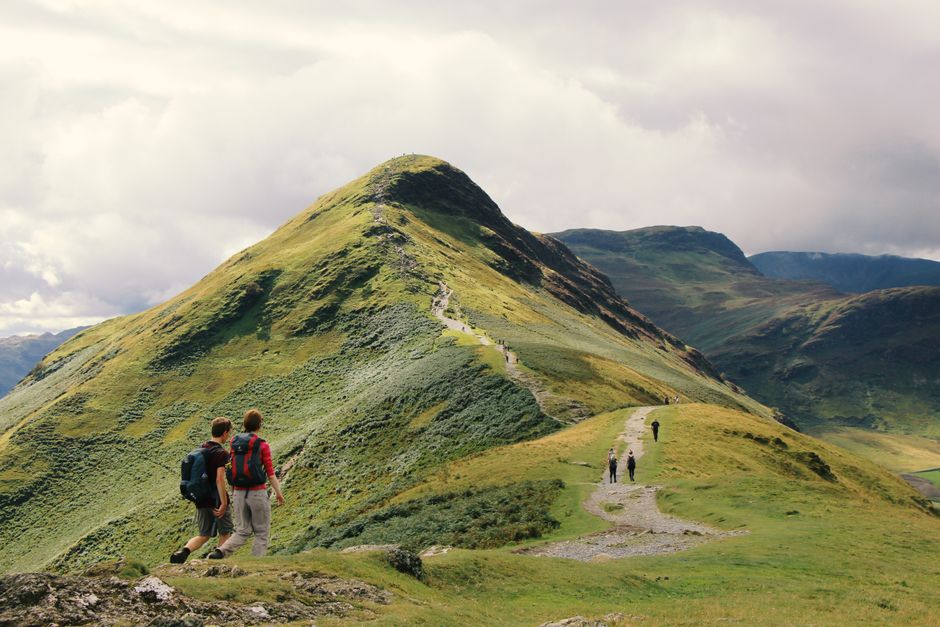
Best for: Walkers targeting northern fells (Skiddaw, Blencathra, Catbells), anyone who wants town amenities and easy access to Derwentwater, and anyone coming by bus from Penrith.
Drawbacks: Further from the southern lakes and Windermere. Busy in peak season.
Ambleside: Best for Central Lakes Access
Ambleside is smaller and quieter than Keswick but well-placed for reaching the central Lakes. It sits at the northern end of Windermere and has a good range of B&Bs, pubs, and gear shops. The famous tiny Bridge House (built over a stream, possibly to avoid land tax) is worth five minutes of your time.
Best for: Walkers targeting Langdale, Grasmere, and the central fells. Good access to Windermere Lake Cruises. A sensible middle ground if you're planning to move around a lot.
Drawbacks: Parking can be difficult. Less nightlife than Keswick.
Windermere and Bowness: Most Tourist Infrastructure
Windermere (the town) and its lakeside neighbour Bowness-on-Windermere are the most tourist-focused areas in the Lakes. You'll find the widest range of accommodation types here, from budget guesthouses to luxury lakeside hotels. The World of Beatrix Potter attraction is in Bowness, and lake cruises leave from here.
Best for: First-timers who want maximum convenience and options. Families. Anyone arriving by train (Windermere station is the terminus of the branch line).
Drawbacks: Can feel crowded and commercial in summer. Less suited to serious walkers who want fell access without a long drive.
Grasmere: Quiet and Literary
Grasmere is a small village with a big reputation. Wordsworth's country, excellent gingerbread, and a more peaceful atmosphere than the busier towns. It has a handful of good hotels and B&Bs. If you're here for the literary heritage or just want somewhere less frenetic, this works well.
Best for: Short stays, couples, literary pilgrims. Good base for Helm Crag, Easedale Tarn, and the surrounding valleys.
Drawbacks: Limited facilities. Fills up quickly in summer.
The Western Lakes: Solitude at a Price
If you want the quieter, wilder side of the Lakes — Wasdale, Ennerdale, the Duddon Valley — you'll need a car, and you'll likely be staying in a more rural pub inn or self-catering cottage. The options are fewer and book out quickly.
Best for: Experienced walkers, anyone who's done the popular spots before, people who actively want to avoid crowds.
Accommodation Types: Quick Overview
Hostels and Camping
YHA hostels operate across the Lakes — several are in genuinely spectacular locations (Honister Hause, Buttermere, Eskdale). Expect around £25-35 per night for a dorm. Clean, sociable, and often better-located than mid-range hotels.
Camping runs from basic farm fields to well-equipped sites. Wild camping isn't technically legal in England without landowner permission, though it's traditionally tolerated high on the fells if you're discreet and leave no trace.
B&Bs and Pub Inns
The classic Lake District experience. Stone-built guesthouses with full English breakfasts and hosts who know the local walks. Staying in a pub inn is the next level: dinner downstairs, bed upstairs, repeat.
Holiday Cottages
Excellent for groups and families. A week in a Lakeland cottage is a particular kind of English holiday that people return to for decades.
Glamping and Luxury
Glamping options — shepherd's huts, wooden pods, safari tents — have expanded significantly across the Lakes. Luxury country house hotels cluster around Windermere and Ullswater, some with Michelin-starred restaurants attached.
One Practical Note
Book early. The Lake District gets around 19 million visitors a year, and accommodation in popular areas fills months ahead during school holidays. If you're coming in summer, don't leave it to chance.
The ConciseTravel Lake District guide covers specific accommodation recommendations by area and trip type, alongside the logistics of getting between the different bases.