ConciseTravel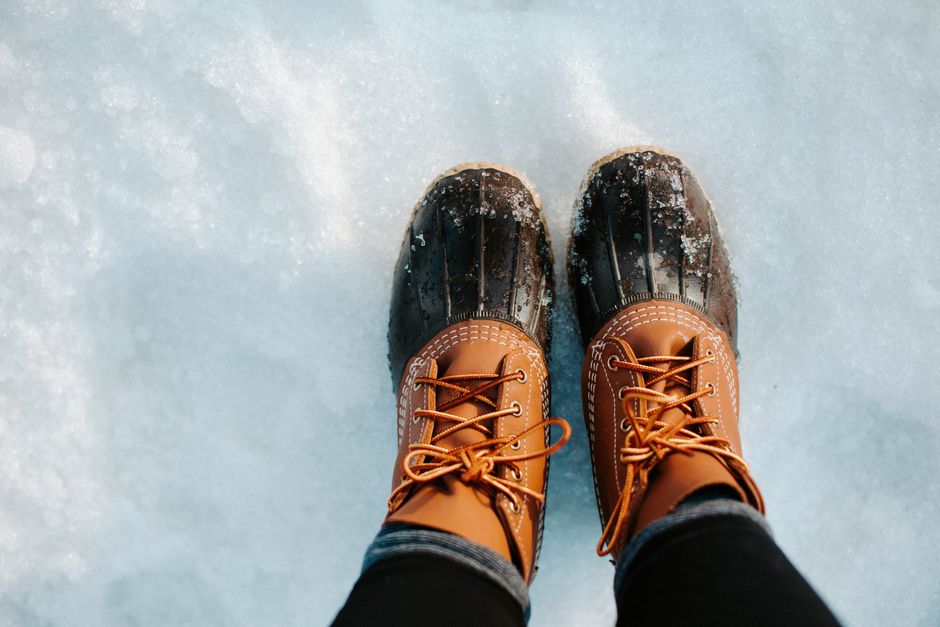
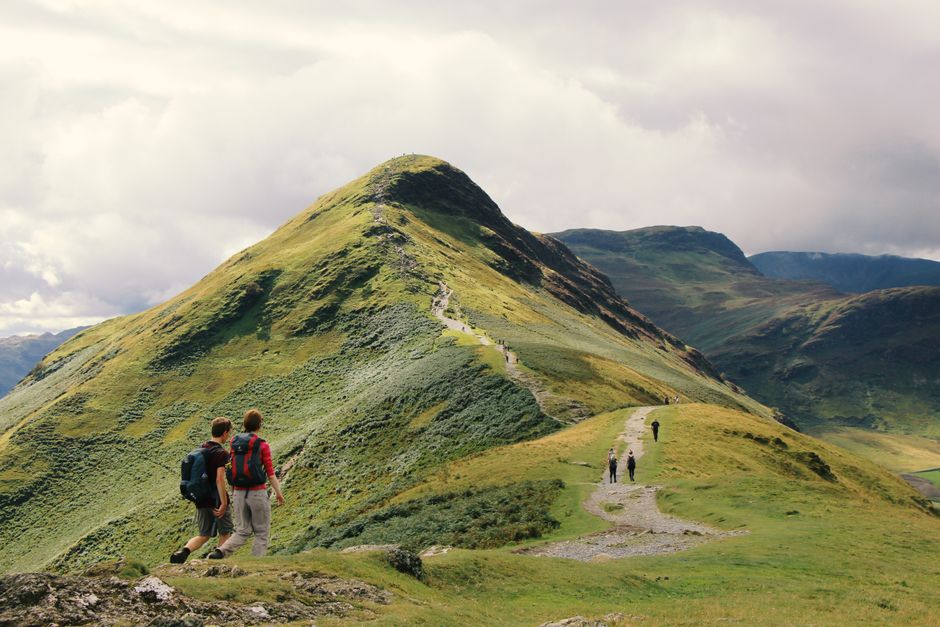
The Lake District in spring is beautiful, dramatic, and reliably wet. March temperatures sit at 5-10C with significant rainfall and the possibility of snow on higher ground. April improves to 8-13C, still showery but with more frequent clear spells when the lakes and fells look extraordinary. By May you reach 11-16C and the landscape is at its most verdant: the slopes are brilliantly green from the months of rain, the lambs are in the fields, and the light on the water on a clear day is worth every mile of travel. But the Lake District has one of the highest annual rainfalls in England, and spring is not an exception to this. Waterproofs are not optional here; they are the main event.
The Layering Approach
Lake District spring packing starts from the outside in. The outer layer question is not "should I bring a waterproof jacket" but "how serious should my waterproof jacket be." For any fell walking, a full Gore-Tex or equivalent technical outer layer is appropriate. For village-hopping and lakeside walks, a good everyday waterproof shell is sufficient. Under that: a warm mid-layer (fleece or wool) that stays warm when wet, and a moisture-wicking base layer. Avoid cotton as a base layer for serious walking: it absorbs moisture and cools you down quickly in wind and rain. Merino wool or a synthetic wicking fabric is much better.
City-Specific Essentials
Waterproof walking boots: The single most important item for any Lake District trip in spring. The paths, even the well-maintained ones, are wet, muddy, and uneven. A proper waterproof walking boot with ankle support is the foundation of a good Lake District trip. Low-cut trainers are inadequate for anything beyond the most gentle village walks.
Waterproof over-trousers: For serious fell days or days when the rain is heavy and sustained, waterproof trousers keep you functional. They pack down small and make the difference between a good walking day and a miserable one.
Gaiters for March and early April: Snow and deep mud on higher paths are real possibilities. Gaiters protect the gap between boot and trouser leg.
Warm hat and gloves: Even in May, the summits and ridges are significantly colder than the valleys. Always pack these for any walk above 400m.
Walking poles: Optional but genuinely useful on steep, wet descents. Many people borrow or hire them locally.
Good waterproof jacket with hood: One that stays waterproof under sustained rain, not just shower-resistant. A hood that adjusts properly and stays on in wind matters more than any other jacket feature.
Quick-dry base and mid-layers: Layers that dry overnight so you can wear the same system across multiple days.
What to Leave Behind
Sandals and open shoes: Impractical for the terrain and the rain throughout all three months.
Heavy cotton clothing: Jeans and cotton hoodies are miserable when wet and take a long time to dry. Leave them for dry city trips.
Anything delicate or dry-clean-only: The Lake District will test your kit. Bring things that can take mud, rain, and rough handling.
Formal clothing: Unless you have a specific dinner reservation at a smart hotel, smart-casual is the ceiling of what you need.
Planning Your Trip
The Lake District rewards people who get beyond the most obvious spots. Knowing which paths are less crowded, where to eat in Ambleside and Grasmere, and how to read the weather patterns makes the experience considerably better.