ConciseTravel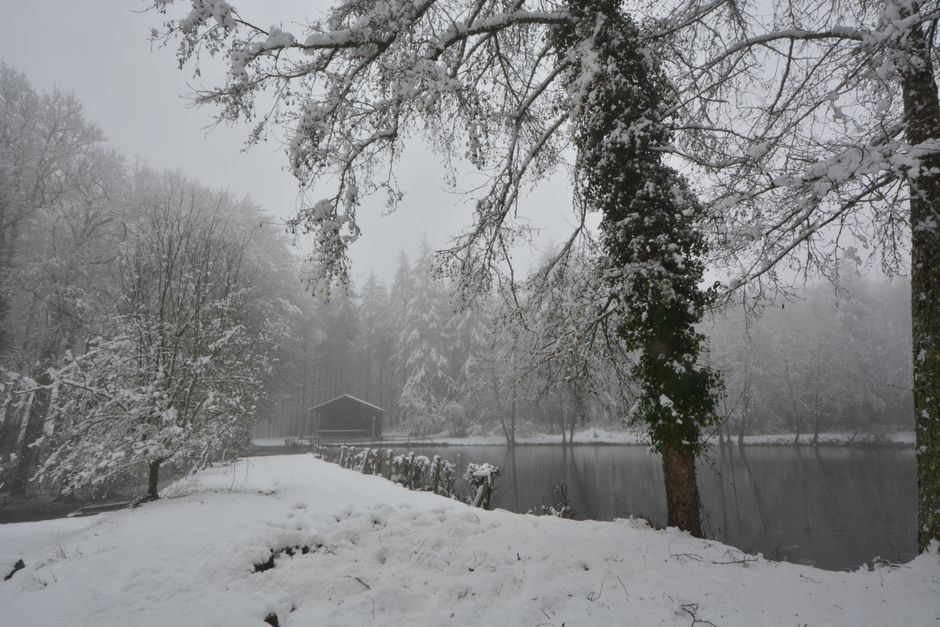
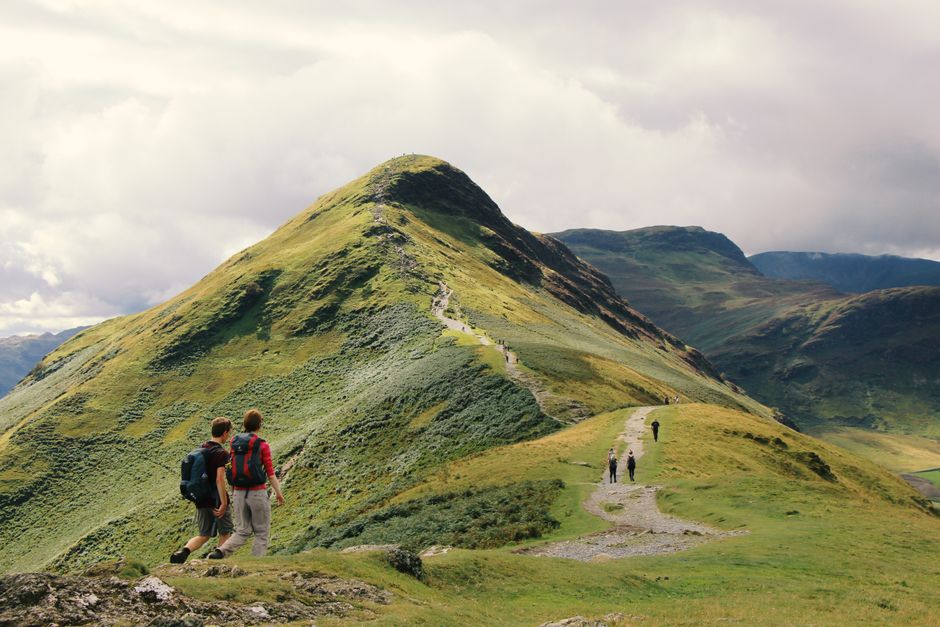
The Lake District in winter is one of England's most dramatic landscapes. The fells are covered in frost or snow. The lakes reflect pewter-grey skies. The crowds that fill Windermere and Grasmere in summer are almost entirely absent. It is also genuinely and reliably wet. Borrowdale in the Lake District is one of the wettest inhabited places in England. Come for the beauty; pack for the rain.
The Real Winter Temperature Story
The Lake District in December averages 3-6C in the valley floors, with higher fells considerably colder. January and February bring the coldest conditions, with valley temperatures often sitting at 0-3C and summit temperatures well below freezing. Snow on the higher fells, including Scafell Pike and Helvellyn, is common from December through February and sometimes persists into March.
Rain is the constant. The Lake District gets significantly more rainfall than most of England, and winter concentrates this. The wind on the open fells adds wind chill that takes already-cold temperatures to genuinely uncomfortable levels for anyone not dressed for it. Clear, cold, dry winter days do exist here, and they are extraordinary. But plan for rain and wind and treat the sunshine as a bonus.
City-Specific Cold-Weather Must-Haves
A fully waterproof jacket. Not water-resistant. Fully waterproof, seam-sealed, with a hood. This is the non-negotiable item for any Lake District winter visit. Rain here is not a polite drizzle; it is sustained, sometimes horizontal, and merciless to inadequate kit.
Waterproof trousers. If you are doing any fell walking or substantial outdoor time, waterproof trousers are essential. Wet jeans in cold and wind are a miserable and potentially dangerous combination.
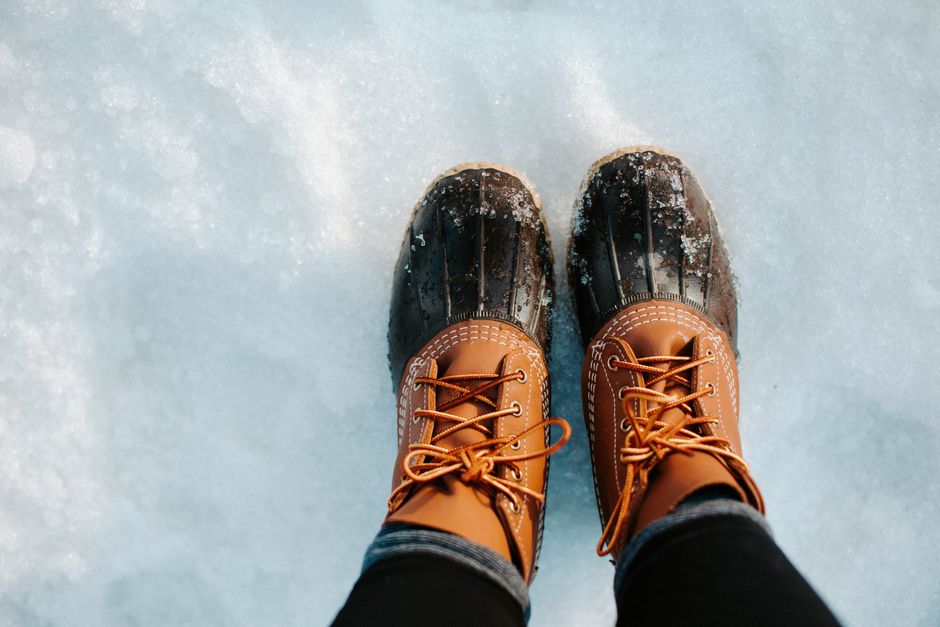
Insulated waterproof boots. Walking boots with waterproofing, insulation, and ankle support for any fell or lakeside path. The terrain is uneven, muddy, and often wet underfoot. Fashion footwear is not appropriate for any outdoor walking here.
Thermal base layers, top and bottom. For fell walking and cold January days. Essential on the higher ground.
Warm mid-layers. A fleece and possibly a down or synthetic insulated jacket for the coldest days and higher elevations.
Waterproof gloves. Standard gloves get wet quickly in sustained rain. Waterproof or water-resistant gloves are a better choice for fell days.
A warm hat. Wind on the open fells makes hat coverage genuinely necessary for comfort and warmth.
Wool or merino socks. Keep your feet warm even when boots take on some moisture. Cotton socks in cold wet conditions are miserable.
What to Leave Behind
Regular trainers or walking shoes without waterproofing. Wet, cold, and potentially icy terrain requires proper footwear. Standard trainers are inadequate for any serious fell path in winter conditions.
Only indoor-appropriate clothing. The Lake District's main draw is the outdoors. Packing primarily for Windermere town centre shopping and pub dinners limits you significantly.
Large wheeled suitcases. The accommodation in small Lake District villages, farm stays, and B&Bs often has limited storage and no lift access. A manageable bag is far more practical.
Non-waterproof outer layers. Any rain gear that cannot handle sustained Lake District winter rain will fail you. Invest in proper waterproofing or rent/borrow it before you go.
Packing it Together
Fully waterproof jacket, waterproof trousers, insulated waterproof boots, thermal layers, warm mid-layers, waterproof gloves, warm hat, and merino socks. The Lake District in winter is genuinely rewarding for anyone dressed for it. The landscape is at its most dramatic and the crowds are at their lowest.
The ConciseTravel Lake District guide covers the best walking routes, the must-see lakes, and the villages worth a stop.