ConciseTravel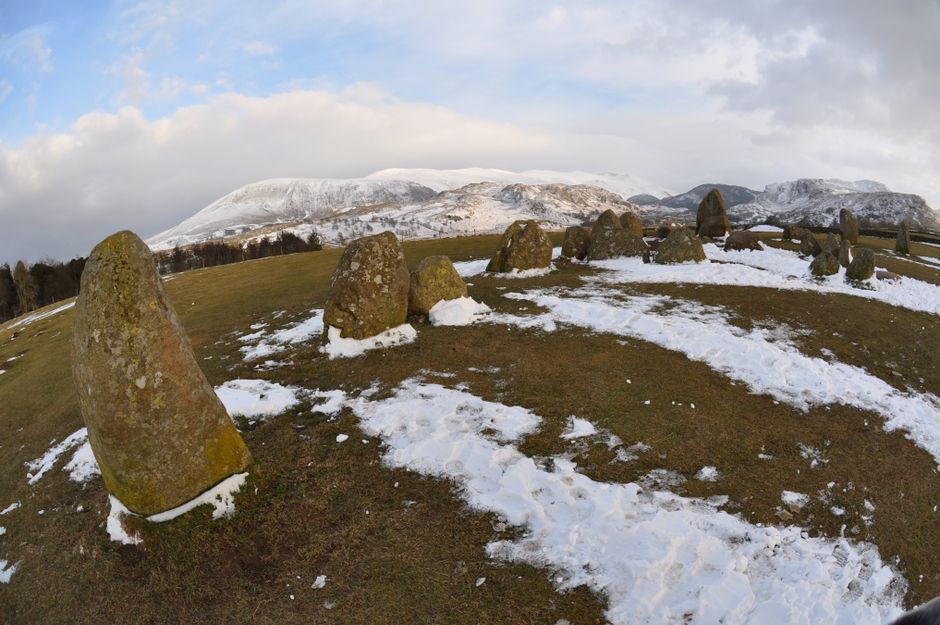
The History Is in the Landscape
Walk any fell in the Lake District and you're walking on top of thousands of years of human activity. Most visitors come for the views. The views make more sense once you know what you're looking at.
Here's the compressed version.
Stone Age to Norse: The Deep Past
People have been farming and living in these valleys since the Neolithic period — roughly 5,000 years ago. Stone axe factories operated on the Langdale Pikes. Castlerigg Stone Circle outside Keswick dates to around 3,000 BCE and is one of the most atmospheric prehistoric sites in Britain, partly because it sits in a natural amphitheatre of mountains rather than a flat field.
The Romans came through, built forts, and left. The more lasting cultural imprint came from Norse settlers in the 9th and 10th centuries, and their influence is visible every time you read a place name.
- "-thwaite" means a clearing (Braithwaite, Stonethwaite)
- "-dale" means a valley (Borrowdale, Langdale, Wasdale)
- "-fell" means a hill or mountain (Scafell, Catbells)
- "-tarn" means a small mountain lake (a Norse word still in everyday use here)
The landscape is essentially a glossary of Old Norse, which is a strange and pleasing fact.
The Romantic Movement: When Poets Invented Tourism
The 18th century brought a new idea: the idea that mountains were beautiful rather than dangerous. Before the Romantics, the Lake District was considered harsh and inhospitable. Wordsworth, Coleridge, and Southey changed that. They came, they walked, they wrote about it, and suddenly everyone wanted to come.
Wordsworth spent most of his life in the Lakes, living at Dove Cottage in Grasmere from 1799, then at Rydal Mount until his death in 1850. His poem "I Wandered Lonely as a Cloud" — the daffodil one — was written about a walk near Ullswater. You can still walk to where he probably stood.
The Romantic poets didn't just write about the landscape; they created the template for how we appreciate it. The idea of walking as a contemplative activity, of finding meaning in wild places, of going somewhere beautiful to think — that's a Lakeland invention, at least in the modern English-speaking sense.
The Victorian Railway and Mass Tourism
The railway reached Windermere in 1847, and the Lake District's fate as a tourist destination was sealed. Suddenly middle-class families from Manchester and Liverpool could get here in a few hours. Hotels were built. Boat services started on the lakes. Wordsworth himself campaigned against the railway extension, arguing it would ruin the place. He lost, obviously.
The Victorians left grand hotels, the tradition of lakeside steamer trips, and the infrastructure that still underpins tourism today.
Beatrix Potter and the National Trust
Beatrix Potter is often reduced to her children's books, which does her a disservice. She was a serious naturalist, a skilled illustrator, and a committed conservationist who used her book royalties to buy up farms in the Lake District specifically to protect them from development.
She bought Hill Top Farm in Near Sawrey in 1905 and kept buying land for the rest of her life. When she died in 1943, she left 4,000 acres and 14 farms to the National Trust on the condition they be kept as traditional working farms. The landscape you walk through today exists partly because of her.
Cumberland Wrestling, Fell Running, and the World's Biggest Liar
Alongside the literary heritage, the Lake District has a tradition of distinctly local events. The annual Grasmere Sports includes fell running, Cumberland wrestling (a specific grappling style where you lock your arms around your opponent's back before the match starts), and hound trailing.
The "World's Biggest Liar" competition runs every November in Santon Bridge. Competitors tell the most convincing tall tale they can. Politicians are reportedly barred from entering on the grounds that they have an unfair advantage.
What This Means for Your Visit
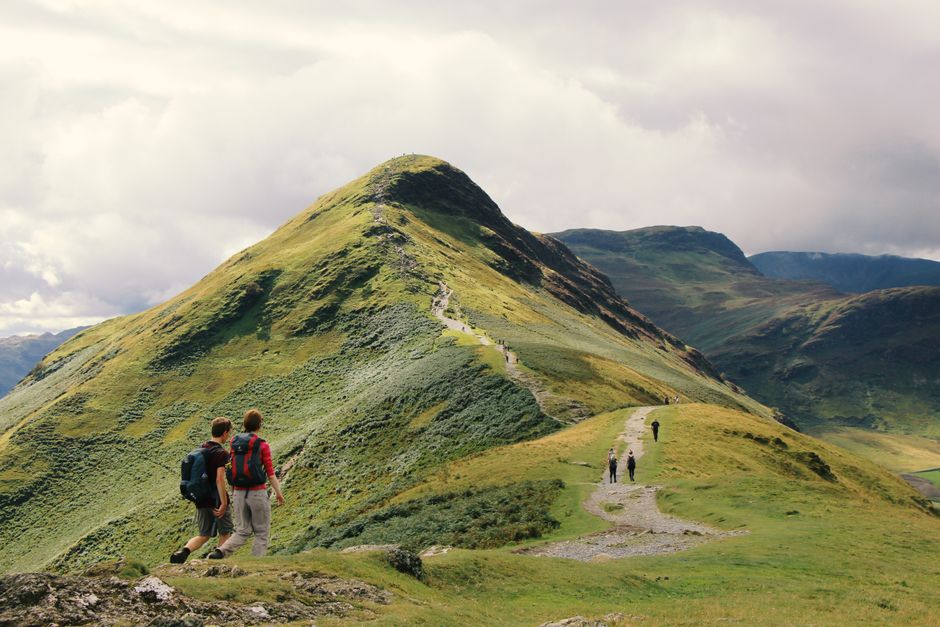
Understanding the layers of history makes the landscape more interesting, not less. When you walk a fell path, you're on a route that farmers have used for centuries. When you see a stone wall, it was probably built by hand from field clearance. When you drink in a pub called "The Stickle Barn" or "The Kirkstile Inn," you're somewhere that has been serving travellers for a very long time.
The ConciseTravel Lake District guide goes deeper on which cultural sites are worth your time and which are better admired from the outside.