 ConciseTravel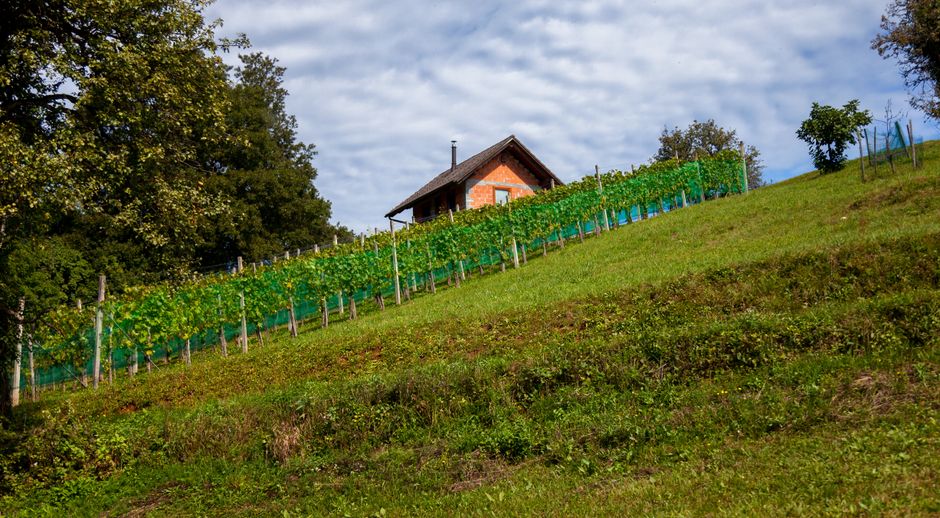
Slovenia is a small country with a serious wine tradition. Three regions produce wine: Primorska on the Adriatic side, Podravje in the northeast, and Posavje in the centre. Primorska is the reason to pay attention.
Primorska: The Orange Wine Region
Primorska covers the Karst plateau, the Vipava Valley, the Goriška Brda hills (on the Italian border, contiguous with Collio), and the Koper area on the coast. The region produces both conventional whites and reds, but its distinctive contribution to wine culture is orange wine.
Orange wine is white wine made with extended skin contact — the grape skins remain in contact with the juice during fermentation, as with red wine. The result is a wine with amber colour, significant tannin, and oxidative flavours (dried fruit, nuts, tea) that conventional white wine does not have. Slovenia and its neighbours in the Friuli region of Italy were doing this centuries before it became a fashionable category in wine bars. This is not a trend; it is the traditional method.
Teran: the signature grape of the Karst plateau. A dark, acidic red wine with high iron content, historically drunk for health in the region. It is tannic, direct, and unlike most red wine you will encounter elsewhere. It pairs correctly with the cured meats and strong cheeses of the Karst.
Malvazija: a white grape from the Istrian coast (shared with Croatia). Produces wines that range from fresh and aromatic to rich and skin-contact. The Koper area version is more mineral; the Croatian versions are richer. Both are worth the comparison.
Rebula/Ribolla Gialla: white grape shared with Friuli. Often made as orange wine in the skin-contact style; the Goriška Brda versions are among the most complex examples.
Podravje: The Northern Whites
The northeastern region produces Renski rizling (Rhine Riesling), Laški rizling (Welschriesling), and Šipon (Furmint). Lighter, more conventional than Primorska, and better known in Central European markets than internationally. Reliable rather than remarkable.
Where to Drink in Ljubljana
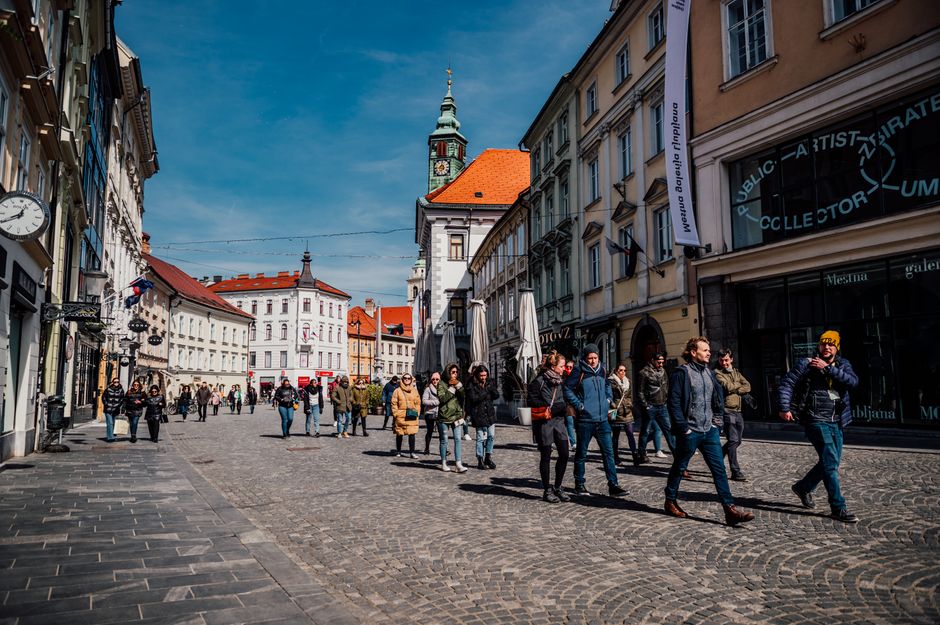
Slovenian wine is well represented in Ljubljana bars and restaurants. The country is small enough that producers sell in the capital with no difficulty.
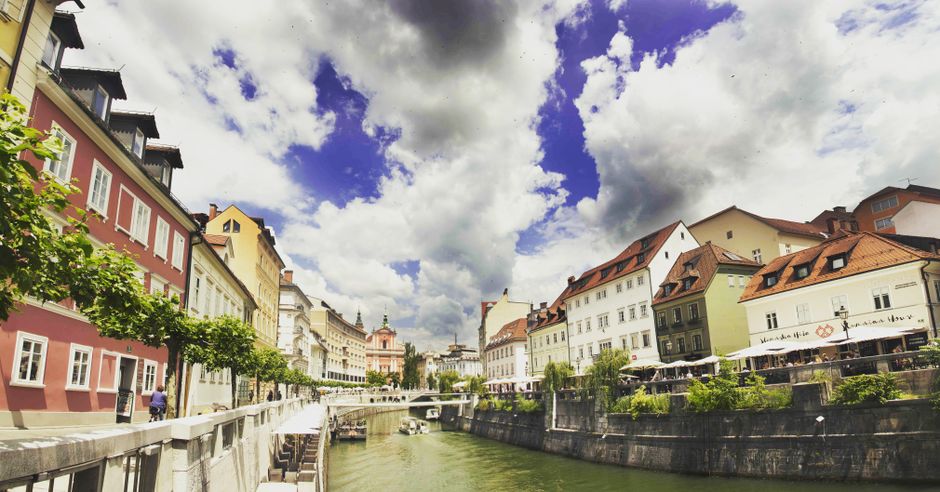
By the glass: ask for Primorska orange wine or teran at most bars on the riverside and Trubarjeva cesta. Staff in Ljubljana wine-aware bars will know their stock by region.
Wine bars: several dedicated wine bars in Ljubljana stock Slovenian producers specifically. Atelje (Cankarjevo nabrežje) and Vinoteka Movia (Mestni trg) are among the most knowledgeable. Movia is the Ljubljana outpost of the Goriška Brda producer of the same name, one of the most significant Slovenian natural wine producers.
Supermarkets: Slovenian wine is cheaper in supermarkets than in bars; the Mercator and Spar chains stock a reasonable range of Primorska producers.
Our Take
Order something Primorska. The orange wine is the reason Slovenia is on the wine map; teran is the reason the Karst is on the wine map. One glass of each while in Ljubljana covers the important ground.
Master Ljubljana in Minutes
Don't waste hours planning. Get our condensed, digital cheat sheet with everything you actually need.
Shop Guide on Etsy →