ConciseTravel
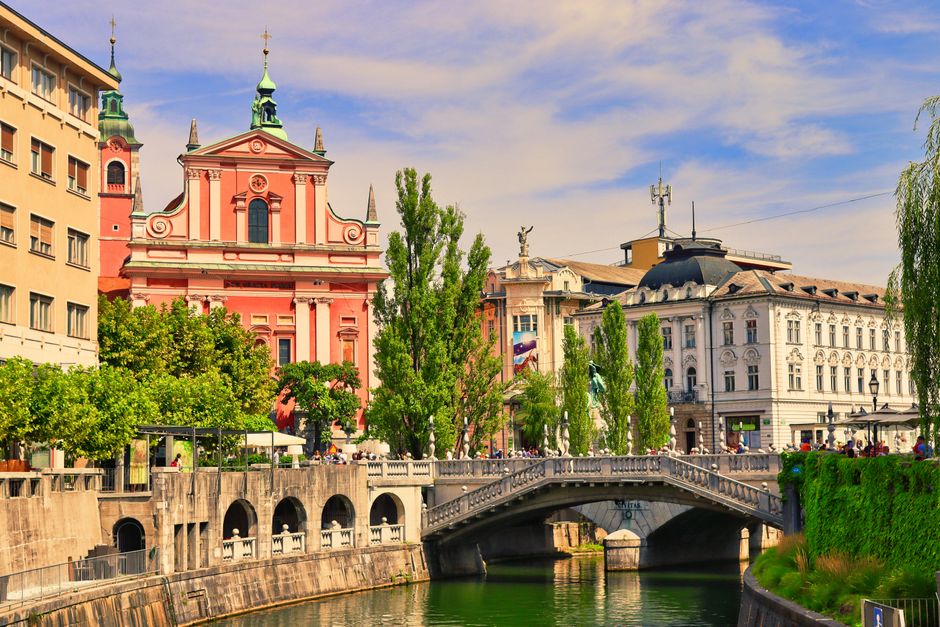
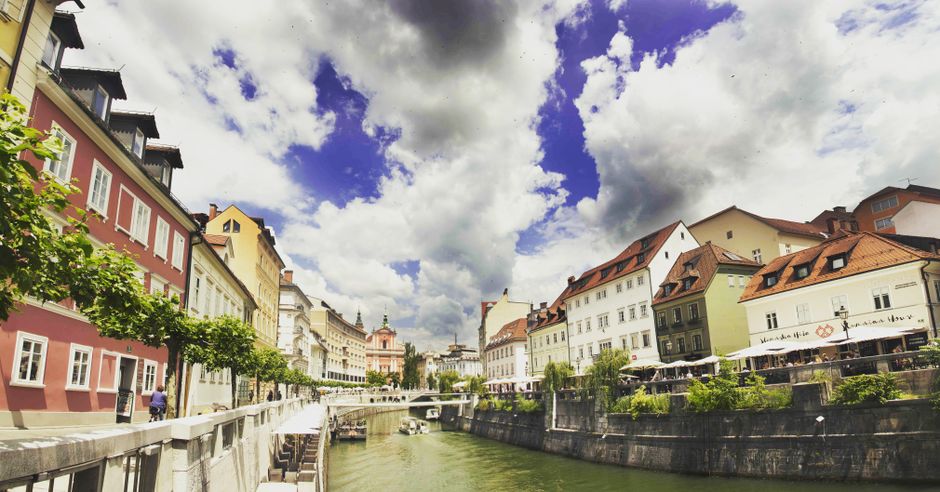
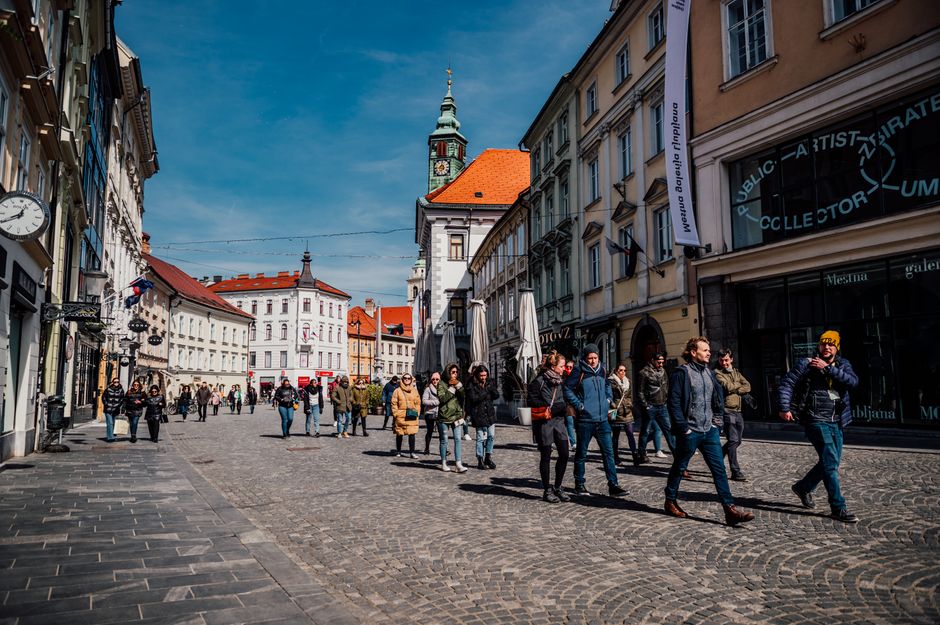
Ljubljana's urban identity is defined by a cluster of landmarks concentrated within a five-minute walk of each other. The Dragon Bridge, Prešeren Square, the Triple Bridge, and the Franciscan Church together form the visible centre of the city — the spaces where civic life organises itself and visitors naturally converge.
Dragon Bridge (Zmajski Most)
The Dragon Bridge was completed in 1901, built to replace an older wooden bridge and to mark the 40th anniversary of Emperor Franz Joseph's reign. The four bronze dragons at the corners — one on each end, one at each intermediate position — are the symbol of Ljubljana and appear on the city's coat of arms.
The bridge itself is Art Nouveau (the Secession style common to Vienna and Vienna-influenced Central European cities at the turn of the 20th century), with elaborate decorative ironwork and lamp columns. The engineering used reinforced concrete — one of the first significant concrete bridges in the region.
There is a local legend that the dragons' tails wag when a virgin crosses the bridge. This has not been verified.
The bridge is a working road bridge; the best view of the dragons is from the riverside below or from the adjacent pedestrian bridge.
Prešeren Square (Prešernov Trg)
The main gathering square of Ljubljana, positioned at the north end of the Triple Bridge. Named after France Prešeren (1800–1849), Slovenia's national poet, whose collected works Poezije (1847) established the Slovenian literary language. The statue in the square, installed in 1905, shows Prešeren with a Muse.
The square is framed by the pink Franciscan Church of the Annunciation (completed 1660, the interior painted by Matevž Langus), the Art Nouveau Hauptmann House (a department store opened 1903), and the Triple Bridge descending toward the old town.
The square is busy but not overwhelming — Ljubljana's scale keeps it human. Street performers in summer, ice skating in winter.
The Miklošičeva Art Nouveau Corridor
Running northeast from Prešeren Square toward the main train station, Miklošičeva cesta is Ljubljana's Art Nouveau boulevard — the commercial street rebuilt after the 1895 earthquake in the style then fashionable in Vienna. The facades along Miklošičeva and the adjacent streets contain some of the best Art Nouveau building details in Central Europe outside Vienna itself.
The Cooperative Bank building, the Šubic building, and the facades on Dalmatinova ulica are the finest examples. A slow walk up Miklošičeva looking at the upper floors reveals the decoration.
Our Take
Dragon Bridge for the photograph (from the riverbank, not the bridge deck). Prešeren Square as the central orientation point. Walk up Miklošičeva looking at the second and third floor ornamental details. The whole route takes 20 minutes and covers the visible core of Ljubljana's architectural identity.
Master Ljubljana in Minutes
Don't waste hours planning. Get our condensed, digital cheat sheet with everything you actually need.
Shop Guide on Etsy →