 ConciseTravel
New York in winter is genuinely and significantly cold. The city's position on the northeastern coast means cold Arctic air masses arrive regularly from December through February. Manhattan's tall buildings create wind tunnels between the blocks. January and February can produce days where the wind chill makes an already-cold temperature feel dangerous to exposed skin within minutes. The city is magnificent in winter. Pack as if you mean it.
The Real Winter Temperature Story
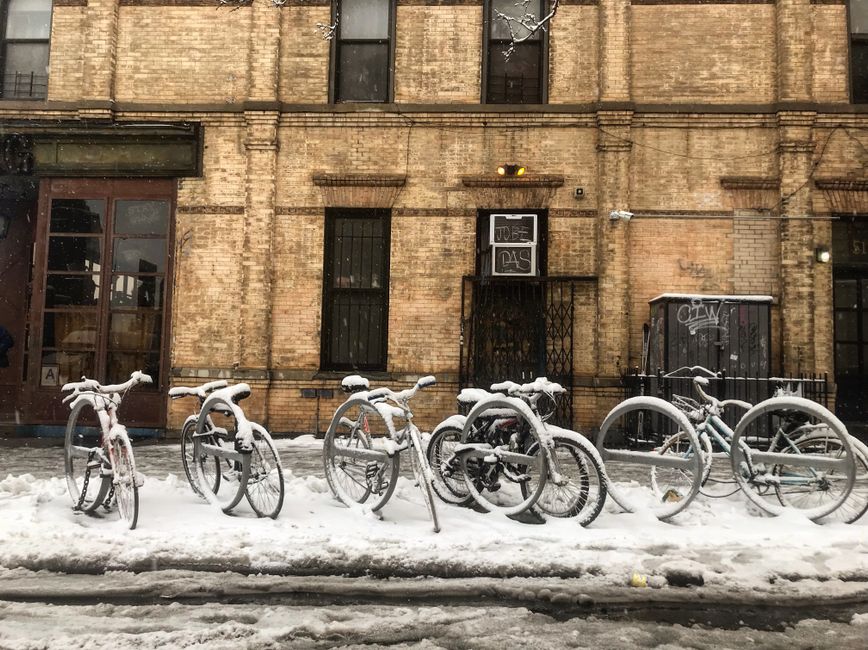
New York in December averages 6-8C. January is the harshest month, typically 1-4C during the day with overnight lows reaching -3 to -7C regularly. February is similar, sometimes colder. Snow is common, with New York averaging around 25-30cm of snowfall annually, most of it concentrated in January and February. The city keeps operating through snow, but getting around on snowy days with inadequate footwear is unpleasant.
The wind between Manhattan's buildings amplifies everything. A walk across Central Park in a January northerly wind at -2C feels genuinely dangerous without full cold-weather kit. Times Square in February feels colder than the open countryside at the same temperature because the buildings create funnel effects. Dress accordingly.
City-Specific Cold-Weather Must-Haves
A proper winter coat, rated for below freezing. Down-filled, windproof, and substantial. This is the single most important item you pack for New York in January or February. A medium autumn jacket is dangerously inadequate for the coldest days.
Thermal base layers, top and bottom. Essential for January and February. A thermal top handles December on most days; both layers are necessary for the deepest winter months.
A thick mid-layer. Fleece or heavy wool jumper between thermals and outer coat.
Winter boots with insulation and waterproofing. New York's streets in winter involve slush, ice, snow, and the specific horror of standing water at every street corner from snowmelt. Boots that keep your feet warm and dry are essential. Fashion boots with flat leather soles will defeat you within the first snowy day.
Warm hat covering ears. Manhattan wind makes this non-negotiable in January.
Full insulated gloves. Touch-screen compatible if you use your phone for maps. Thin fashion gloves are insufficient for January wind chill.
A warm scarf. Protect the neck and lower face on the coldest days. The wind between Midtown blocks makes this necessary.
One or two smart outfits for evenings. New York's restaurant scene, its Broadway shows, and its bars range from very casual to smart. A versatile going-out outfit under your layers handles most situations.
What to Leave Behind
Anything less than a proper winter coat. The coldest New York winter days are not safe without adequate outerwear. This is not about comfort; it is about the actual wind chill numbers that January produces.
Fashion footwear without insulation or grip. New York in winter snow and slush will ruin them and leave you cold and wet.
Only outdoor gear. New York has some of the world's best restaurants, bars, and entertainment venues. Pack something you feel good in for an evening out.
Light packing assumptions. A proper New York winter kit takes space. Accept a slightly larger bag for January and February trips.
Packing it Together
Serious winter coat, thermal layers, thick mid-layer, insulated waterproof boots, hat, insulated gloves, warm scarf, and a smart outfit for evenings. New York in winter is one of the world's great city experiences: the skyline under snow, the Brooklyn Bridge in frost, and the Central Park skating rink all earn the cold.
The ConciseTravel New York guide covers the neighbourhoods worth your time, the transport system, the best food, and how to see the city without spending a fortune: https://concisetravelguides.etsy.com/uk/listing/4469583046/new-york-city-guide-2026-pdf-digital
Master New York in Minutes
Don't waste hours planning. Get our condensed, digital cheat sheet with everything you actually need.
Shop Guide on Etsy →