 ConciseTravel
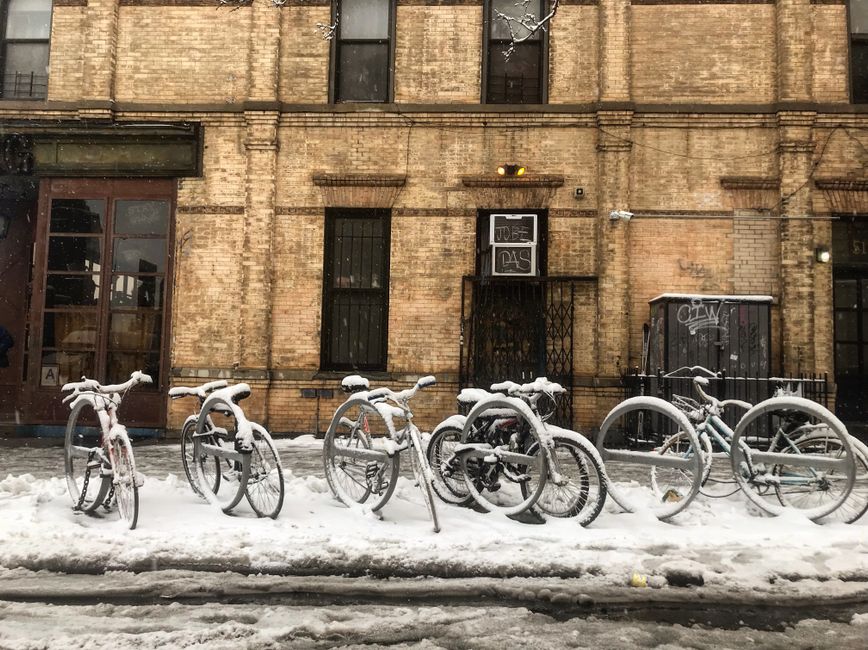
New York spring is a study in extremes. March can still deliver genuinely cold days at 4-10C, sometimes with late snow, and then a 18C day arrives and the city seems to exhale all at once. April sits at 12-18C, often windy, with the cherry blossom in Central Park and Brooklyn lasting about a week before it is over. By May you are at 17-23C and New York moves into its best season: warm enough for rooftop bars and outdoor dining, cool enough to walk for hours without overheating. The variability between March and May demands a packing approach that does not commit too hard to either season.
The Layering Approach
New York spring is definitively a layering situation. The gap between a cold March morning and a warm March afternoon can be 10 degrees, and a day that starts mild can end cold if the wind picks up along the avenues. The avenues, particularly in Midtown and the West Village, channel the wind in a way that makes wind chill a real factor. The layering approach: a solid mid-layer (not just a light knit) for March and April, a windproof and waterproof outer layer, and a base layer that handles temperature variability. By May you can travel lighter but keep the packable rain jacket accessible.
City-Specific Essentials
Comfortable walking shoes: This is the most important practical item for New York. The walking distances here are significant: a day covering Central Park, the High Line, and the Brooklyn Bridge easily reaches 15-20km. Bring your most comfortable shoes. Not almost comfortable, actually comfortable. New shoes are a bad idea. The New York pavement is relentless.
Windproof jacket: The avenues and the waterfront areas (Battery Park, Brooklyn Bridge Park, the Hudson River Greenway) are exposed to serious wind. A windproof outer layer makes the difference between miserable and fine.
Mid-layer for March and April: A fleece, a down vest, or a merino knit provides meaningful warmth for colder days and cold mornings across the first two spring months.
Smart-casual outfit for restaurants: New York's restaurant culture is serious and varied. A good outfit for a proper dinner is worthwhile. Not formal, but assembled.
Metro card or transit app access: The subway is the way to move around. Download the MTA app and load a card before you start walking everywhere unnecessarily.
Compact daypack: For carrying water, layers, and subway snacks on long sightseeing days. Also useful for grocery runs.
Good rain layer for April: April New York rain arrives with attitude. A packable waterproof rather than just a windshell handles it.
What to Leave Behind
Formal shoes for daytime: The walking distances make formal shoes a painful choice by hour three. One smarter option for evenings, the rest comfortable.
Heavy suitcase: New York's subway stairs and street grid do not accommodate large luggage well. Pack in a manageable bag.
Sandals before May: The temperature variability and the distance walking make sandals an impractical primary shoe through March and April. By May, for warm days, they work fine.
More than one heavy coat: The layering system covers March without a bulky coat. One mid-weight jacket plus mid-layers is the efficient approach.
Planning Your Trip
New York makes more sense with context: which subway lines go where, which neighbourhoods are worth your time for specific interests, and how to eat well across all price points. Our guide covers the practical decisions. Find it here: https://concisetravelguides.etsy.com/uk/listing/4469583046/new-york-city-guide-2026-pdf-digital
Master New York in Minutes
Don't waste hours planning. Get our condensed, digital cheat sheet with everything you actually need.
Shop Guide on Etsy →