ConciseTravel
Milan in winter is colder than Italy's reputation suggests. The city sits in the Po Valley, enclosed by the Alps to the north and the Apennines to the south, which traps cold air in winter and creates fog that can settle for days. January in Milan is genuinely cold, often grey, and occasionally foggy. It is also one of Europe's great fashion and design cities and the Christmas season brings some of the continent's most atmospheric shop window displays. Pack well, look the part, and Milan in winter delivers.
The Real Winter Temperature Story
Milan in December averages 5-7C. January is the coldest month, typically 3-6C during the day with overnight temperatures regularly reaching 0 to -2C. February is similar. Fog is a notable feature of Milan's winter, particularly in December and January, settling in from the Po Valley and sometimes lasting for days.
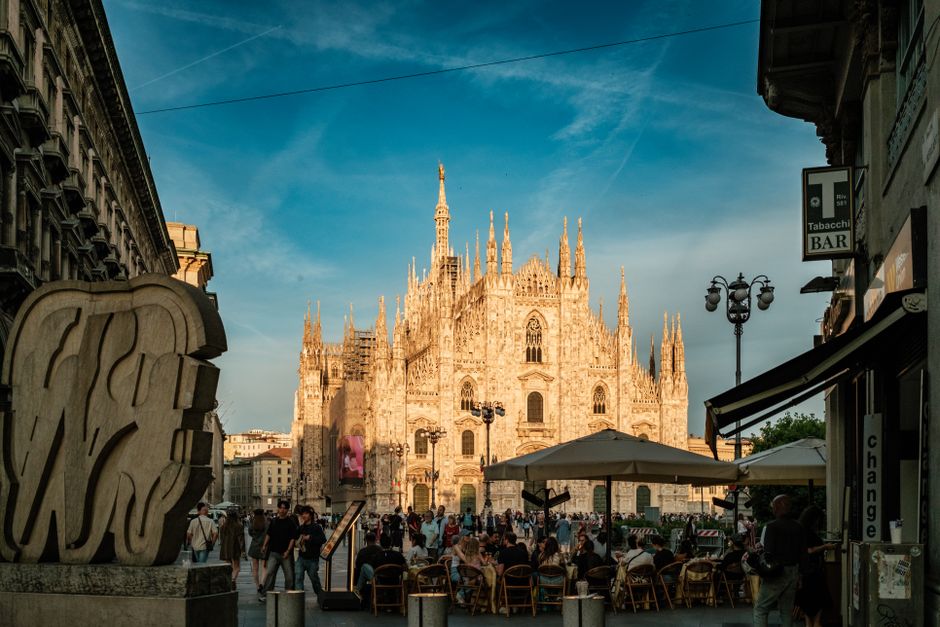
Snow falls in central Milan most winters, occasionally settling for a few days. The city is efficient at clearing it. Rain is present throughout winter but the fog is the more distinctive climatic feature. On clear winter days, the Alps are visible from the city's higher points and the backdrop to the Duomo from Galleria Vittorio Emanuele II is genuinely striking.
City-Specific Cold-Weather Must-Haves
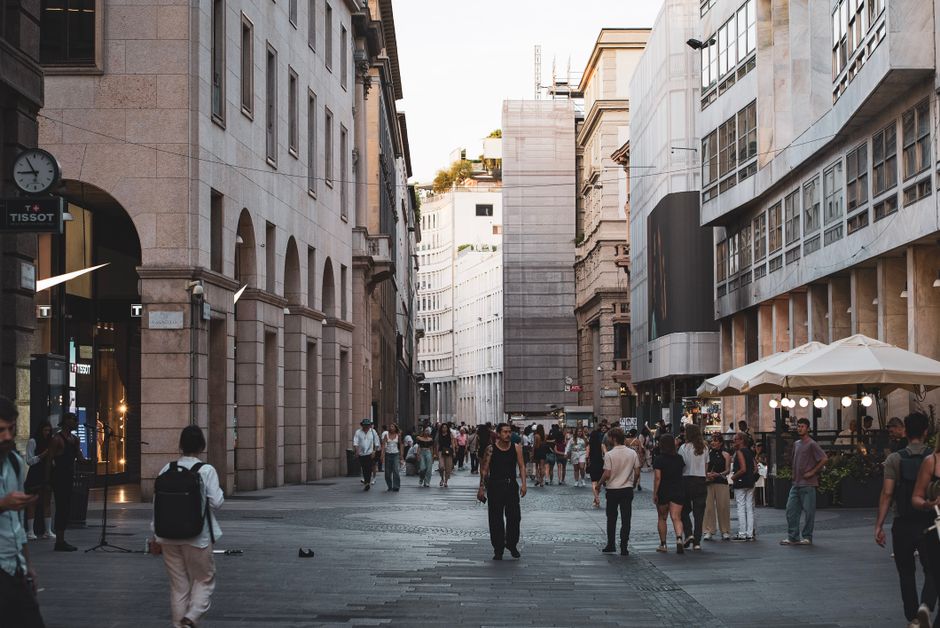
A proper winter coat. Milan demands a real winter coat for two reasons: the genuine cold of January and the fact that Milan takes outerwear seriously. A good coat here is both functional and appropriate for a city where how you look on the street matters more than almost anywhere else in Europe.
Warm mid-layers. A fleece, wool jumper, or thermal knit under your coat handles the day-to-day cold without bulk.
Thermal base layers for the coldest days. Particularly for January and any day of sustained fog and cold.
Smart clothes for evenings. This is the city of fashion week. While you obviously do not need runway looks, the Brera district restaurants, the Navigli canal-side bars, and any dinner in the centre of the city are places where looking considered matters. Pack at least two outfits that you would feel comfortable in at a decent Milanese restaurant.
Waterproof boots with grip. Milan's streets are wet in winter rain and occasionally icy in frost. Practical, stylish boots that have waterproofing and grip solve both the functional and aesthetic requirements.
A warm scarf. Milan's winter calls for it. The good news is that Milanese scarves are excellent and available everywhere if you arrive unprepared.
What to Leave Behind
Only casual or outdoor clothing. Milan is not the right city for a wardrobe of walking fleeces and waterproof trousers. Pack something that reflects the city's aesthetic, even in casual form.
Summer clothing. No role in January Milan.
Fashion boots without waterproofing. Milan winter streets require both style and function. Boots that tick one box but not the other will let you down.
A very small bag if you are a serious shopper. Milan's Navigli vintage markets and the concept stores in Brera and the 5Vie district make it easy to acquire things. Plan bag space accordingly.
Packing it Together
Proper winter coat, thermal layers, warm mid-layers, smart clothes for evenings, waterproof stylish boots, and a scarf. Milan in winter is a genuinely atmospheric city break, particularly in December when the shop windows and Christmas lights compete with each other in the Galleria and around the Duomo.
The ConciseTravel Milan guide covers the Duomo, the Last Supper booking strategy, the Navigli neighbourhood, and the best aperitivo bars: https://concisetravelguides.etsy.com/uk/listing/4469161242/milan-travel-guide-cheat-sheet-italy
Master Milan in Minutes
Don't waste hours planning. Get our condensed, digital cheat sheet with everything you actually need.
Shop Guide on Etsy →