 ConciseTravel

Valencia is the city break that does a bit of everything: a historic old town, futuristic architecture, a long sandy beach and some of Spain's best food, all in one easy, sunny city. Here is what we'd want to know before a first visit.
It's a city and a beach break in one
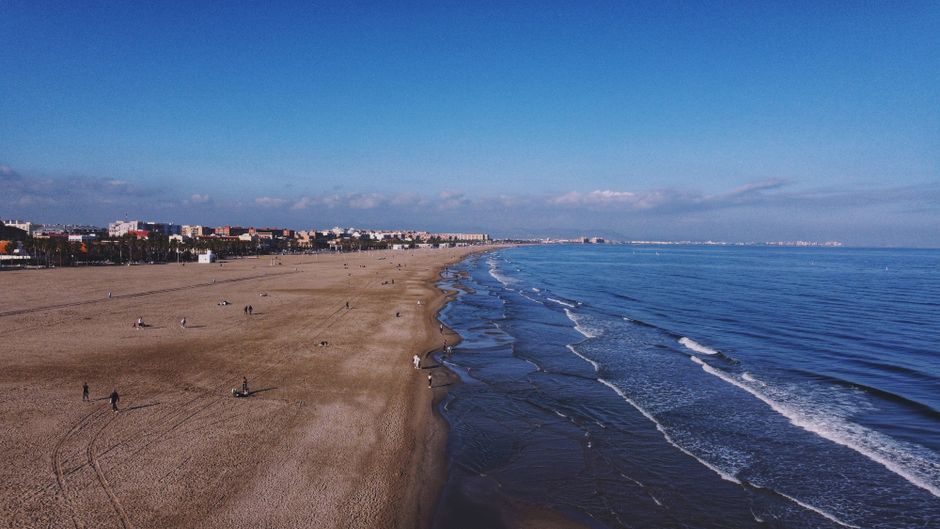
Valencia's old town and its beach, Malvarrosa, are both easy to reach, so you can spend a morning sightseeing and an afternoon on the sand. The tram and buses connect the two in around 20 to 30 minutes.
The Turia is your shortcut
In the 1950s, the river Turia was diverted after a devastating flood, and its old riverbed was turned into a long park that curves around the city centre. Today it's full of paths, gardens, sports fields and playgrounds.
It's the best way to get across the city on foot or by bike. A Valencia bike rental (GetYourGuide) is a great way to ride its length from the old town to the City of Arts and Sciences.
The City of Arts and Sciences
At the end of the Turia, this complex of futuristic white buildings includes a science museum, an opera house and Europe's largest aquarium, the Oceanogràfic. Even if you don't go inside, the architecture is worth seeing. Check City of Arts and Sciences tickets (official site) if you want to visit the aquarium, which is a big hit with families.
Paella comes from here, so eat it properly
Valencia is the home of paella, and locals take it seriously.
- Traditional Valencian paella is made with chicken, rabbit and beans, not seafood.
- It's a lunchtime dish, not an evening one.
- It's usually made for at least two people, and good restaurants cook it to order, so expect to wait.
- Avoid paella advertised with photos on the main tourist streets.
Many locals head to the El Palmar area, south of the city near the Albufera lagoon, for paella.
Eat on Spanish time
Lunch runs from around 2pm and dinner from around 9pm. Get used to it, and you'll find the city at its liveliest.
Know about Las Fallas
In mid-March, Valencia hosts Las Fallas, an enormous festival of giant sculptures, fireworks and street parties, ending with the sculptures being burned. It's spectacular but loud, crowded and expensive. Go for it on purpose, or avoid those dates.
When to go
Spring and autumn are ideal. Summer is hot and humid. Winter is mild and sunny, making Valencia one of Spain's better winter city breaks.
How many days do you need?
- Two days: enough for the old town, the City of Arts and Sciences and the Turia.
- Three days: the sweet spot, adding the beach, a paella lunch and a slower pace.
- Four days or more: add a day trip to the Albufera lagoon.
Getting there
Valencia has flights from the UK. From the airport, the metro reaches the city centre in around 20 to 25 minutes.
The short version
Use the Turia as your shortcut, eat paella properly and balance the city with the beach. Three days is perfect for a first trip.