 ConciseTravel
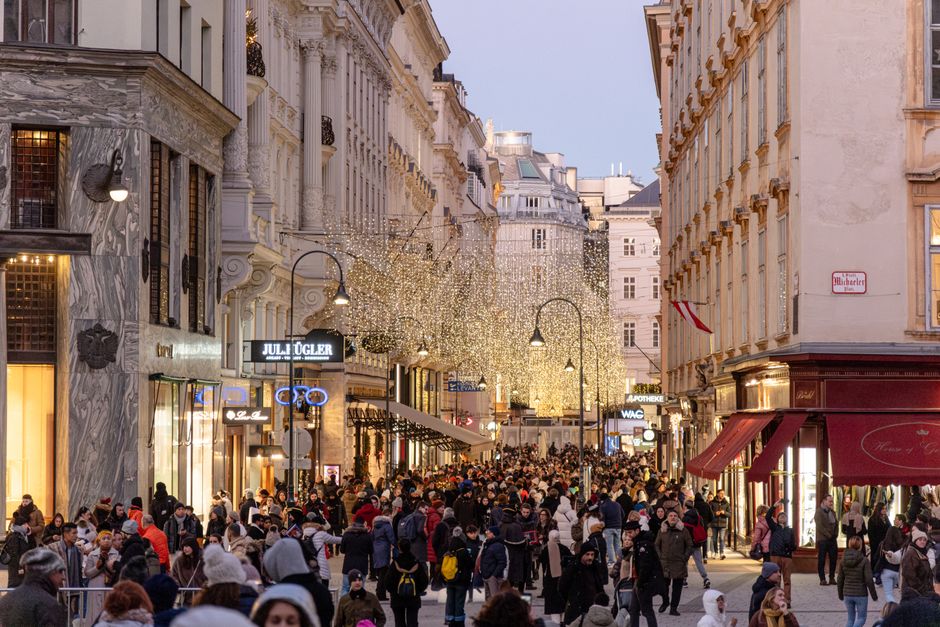
Vienna in winter is Europe's great imperial city at its most dignified and atmospheric. The Christmas markets on the Rathausplatz and the Schonbrunn Palace forecourt are among the continent's finest. The Kunsthistorisches Museum and the Vienna State Opera operate in full swing. The coffee house culture, a UNESCO-recognised tradition, was essentially designed for long winter afternoons. The cold is real and the city takes it seriously, as does the packing list.
The Real Winter Temperature Story
Vienna in December averages 2-5C. January is the coldest month, typically 0 to 3C during the day and dropping to -3 to -5C at night. February is similar. Snow is possible throughout winter and the city handles it efficiently. The Danube wind on the Ringstrasse and across the open spaces of the Prater park can make already-cold temperatures feel sharper.
Vienna's winter cold is dry continental cold from central Europe's air masses, which is more manageable than damp Atlantic cold at the same temperature but still requires a proper winter coat and layered approach. The Christmas market season extends into early January and involves hours outdoors. The rest of winter is excellent for indoor culture and the city's extraordinary cafe scene.
City-Specific Cold-Weather Must-Haves
A proper winter coat. Heavy wool, down-insulated, or a quality padded jacket. Vienna in January does not accommodate medium-weight autumn layers. The outdoor Christmas market experience, the Prater walks, and the Ringstrasse boulevard all expose you to genuine cold.
Thermal base layers. A thermal top for most days; both top and bottom for the coldest January spells. Vienna's indoor spaces are warm, so the ability to layer down matters.
A warm mid-layer. A fleece or substantial wool jumper between thermals and your outer coat.
Waterproof boots with grip. Snow and frost on Vienna's streets, the icy cobblestones of the first district, and the Schonbrunn Palace grounds in winter conditions all call for waterproof footwear with grip. Fashion boots with smooth soles are not the right call.
Warm hat and gloves. Both essential from December through February. The Christmas market time in particular, with extended outdoor evening hours, makes them necessary.
A scarf. The Ringstrasse wind justifies it. Vienna is also a city where a good scarf is a reasonable aesthetic choice.
Smart clothes for opera, concerts, and coffee houses. Vienna's cultural institutions are part of the experience. The Vienna State Opera's standing room tickets are affordable and require nothing formal, but the coffee houses and the better restaurants reward being slightly dressed up. Pack one presentable outfit.
What to Leave Behind
A medium autumn jacket as your main coat. January Vienna at -3C overnight is not the right climate for this approach.
Fashion boots without grip or waterproofing. Icy Viennese cobblestones with smooth soles are a risk.
Only casual clothing. Vienna's coffee house and concert culture benefits from one outfit that looks like you made an effort.
Sandals. No.
Packing it Together
Proper winter coat, thermal layers, warm mid-layer, waterproof boots, hat, gloves, scarf, and one presentable outfit for opera or coffee house evenings. Vienna in winter is one of the finest city breaks in Europe: the Christmas markets, the museums, the coffee houses, and the music culture all operate at full capacity and the reduced summer crowds make every experience more accessible.
The ConciseTravel Vienna guide covers Schonbrunn, the Kunsthistorisches Museum, the best coffee houses, and the Vienna State Opera: https://concisetravelguides.etsy.com/uk/listing/4492708710/vienna-city-break-guide-pdf-schonbrunn
Master Vienna in Minutes
Don't waste hours planning. Get our condensed, digital cheat sheet with everything you actually need.
Shop Guide on Etsy →