ConciseTravel
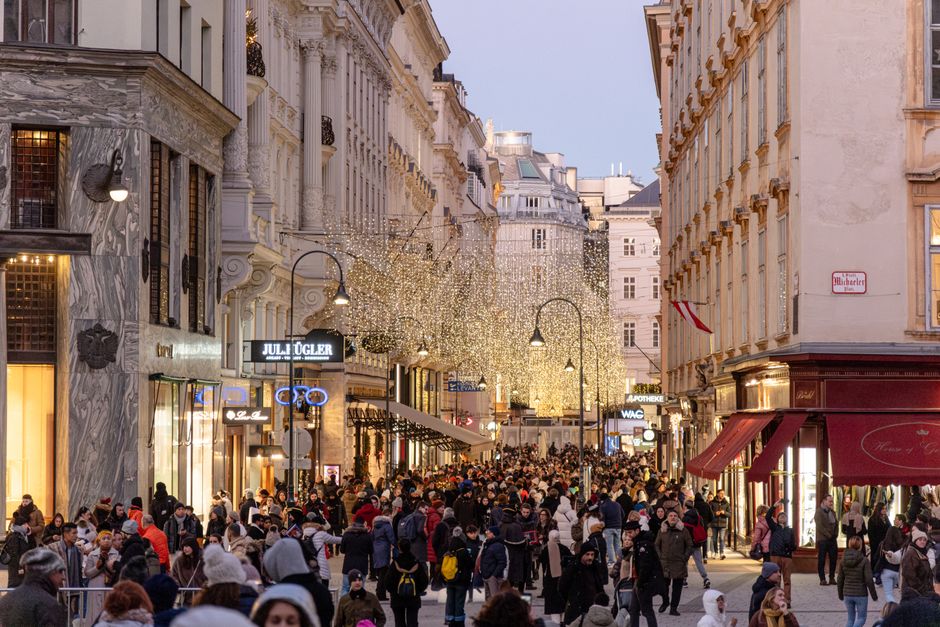
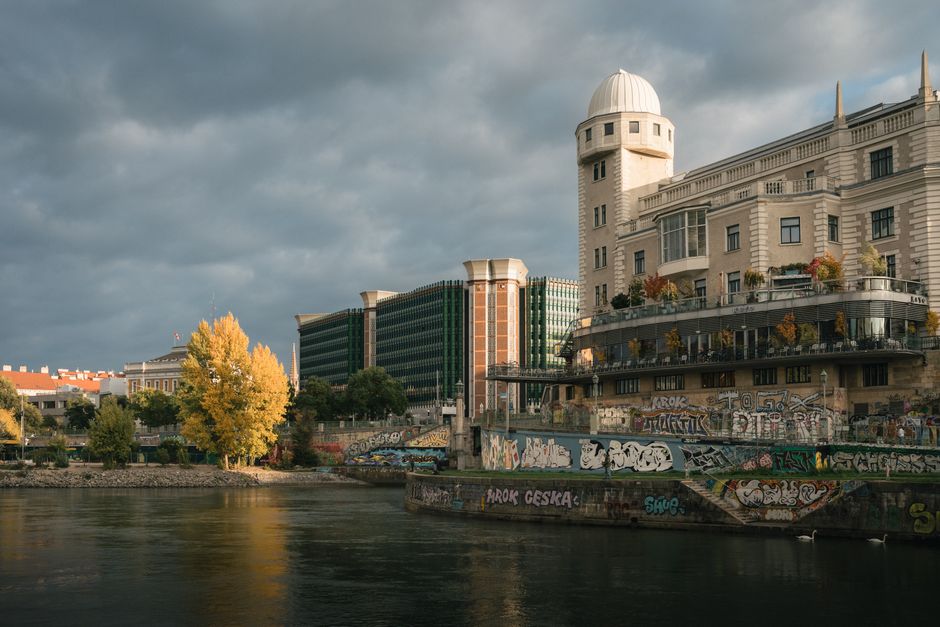
Vienna in autumn takes on the particular quality of a city that knows exactly what it is. The Prater park turns gold in October, the Ringstrasse boulevard looks serious and beautiful in autumn light, and the coffee house culture -- already excellent -- becomes the natural centre of gravity as the temperature drops. September is pleasant. October is golden. November turns properly cold and the city shifts toward its indoor best: the Kunsthistorisches Museum, the Belvedere, the State Opera house, and the Naschmarkt covered section. Packing for it rewards a clear understanding of the temperature range.
The Autumn Layering Problem
September in Vienna averages 19-23 degrees with warm evenings. October drops to 11-15 degrees with crisp air and frequent golden sunny days. November sits at 4-8 degrees with regular rain, some fog in the valley of the Danube, and cold evenings.
Vienna's wide boulevards and open squares -- the Ringstrasse, the Rathauspark, the Museumsquartier -- create wind exposure that amplifies the November cold. The walk between the State Opera and the Kunsthistorisches Museum along the Ring in November with a north wind is a different experience from a sheltered side street of the same temperature.
Vienna-Specific Essentials
A quality wool coat for October. Vienna has an innate elegance and a wool coat fits naturally here -- practically and aesthetically. By October this is your daily outer layer. A good wool coat handles October comfortably and November with warm layers underneath.
Warm mid-layers. A merino wool jumper or a fine-knit rollneck provides core warmth and works well in coffee houses and museum interiors. Vienna people-watch: dress with some care and you'll feel appropriately placed.
Waterproof layer for October and November. Vienna sees regular autumn rain. A packable rain jacket or a quality umbrella handles the October drizzle and November wet. A coat alone is insufficient on heavy rain days.
Comfortable walking shoes with grip. The Ringstrasse is long, the Schonbrunn palace grounds are extensive, and the cobblestones around the Naschmarkt and the historic centre become slippery in autumn rain. Leather boots or comfortable shoes with rubber soles handle all of it.
Layers for the opera and concert venues. Vienna's concert culture is one of the world's best. The Staatsoper, the Konzerthaus, and the Musikverein are well-heated but the streets outside are cold in November. Layers that let you remove your outer coat for the performance and replace it for the walk home are practical.
Hat and gloves for November. Ringstrasse wind in November makes covered ears and warm hands a genuine comfort requirement.
What to Leave Behind
Summer-weight fabrics as primary items. September evenings in Vienna already benefit from a proper layer. October is jacket weather. November is coat weather.
Sandals. September is the last viable moment. October onwards, closed shoes.
Casual outdoor gear over smart clothes. Vienna has aesthetic expectations. A technical jacket over smart clothing is a slight mismatch. A quality coat handles the weather and the look together.
Vienna Autumn Is the City at Its Most Itself
The coffee house on a grey November afternoon, the Belvedere Klimt collection without summer queues, Schonbrunn in October golden light -- Vienna in autumn is exactly what the city's reputation promises. Pack for the coat requirement and the cold, and it delivers reliably.
Our Vienna Guide covers the museum booking tips, the coffee house culture, and how to structure a 3-4 day visit around the Ringstrasse and beyond. Find it at the link below.
Master Vienna in Minutes
Don't waste hours planning. Get our condensed, digital cheat sheet with everything you actually need.
Shop Guide on Etsy →