ConciseTravel
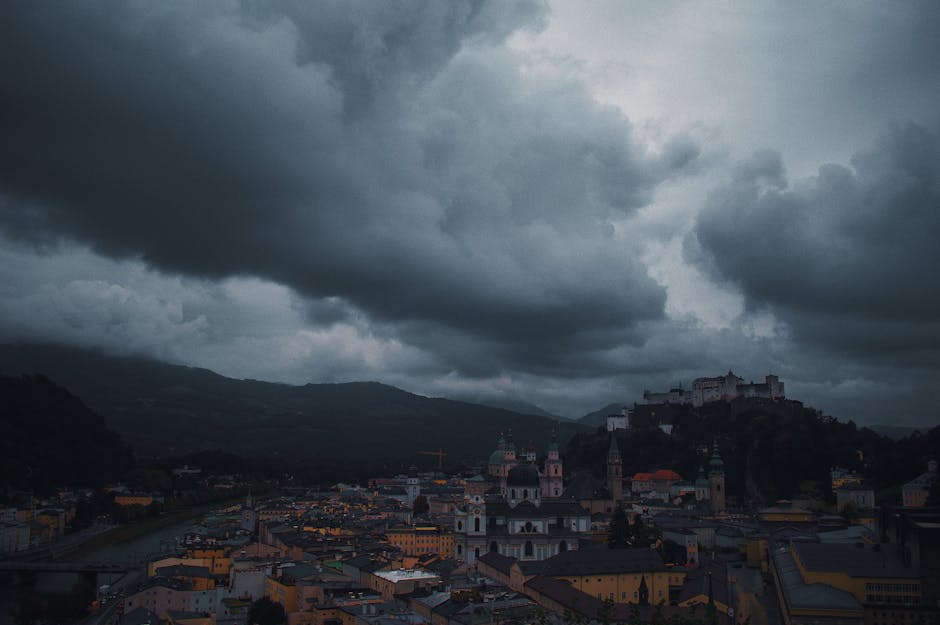
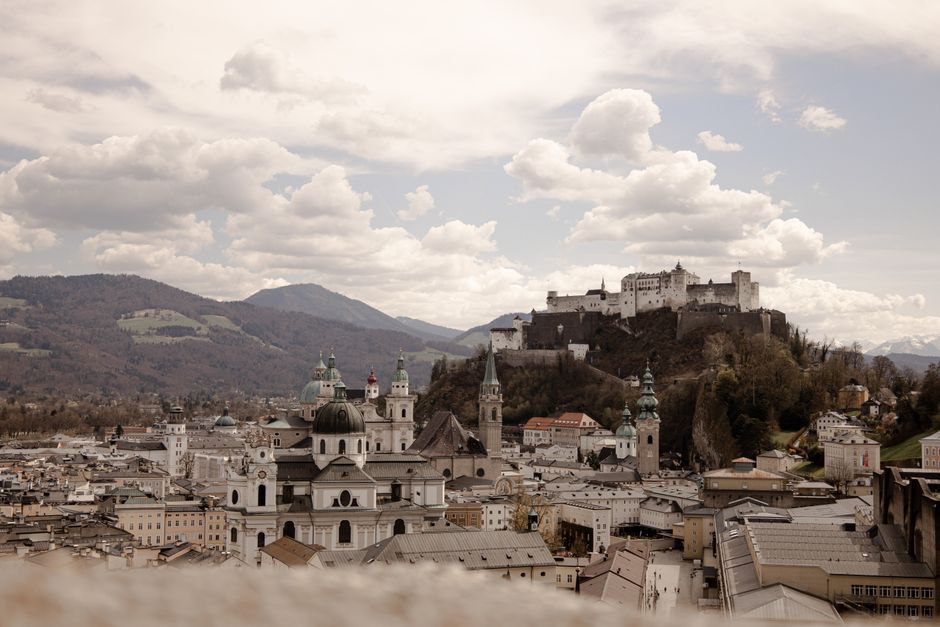
Salzburg in autumn is a compact, serious, and genuinely beautiful city to explore outside the summer festival pressure. September still sees some festival-adjacent activity but the crowds thin noticeably. October is the ideal window: the Hohensalzburg fortress above the old town looks extraordinary with autumn colour, the Getreidegasse is walkable, and the Alpine air sharpens the light in ways that summer humidity obscures. November turns cold fast in this Alpine valley setting. Packing for Salzburg autumn requires respecting the mountain context.
The Autumn Layering Problem
September in Salzburg averages 18-22 degrees during the day with pleasant evenings. October drops to 10-15 degrees, crisp and often beautiful. November sits at 3-7 degrees with frequent rain, some fog in the valley, and temperatures close to or below freezing overnight.
The Alpine position accelerates the autumn temperature drop relative to a city like Vienna or Prague. Cold air descends from the surrounding mountains in October and November, and the city's valley position means this cold air pools and settles. The walk up to the Hohensalzburg fortress, which is already more exposed, amplifies this. A 12-degree October city day is noticeably colder on the fortress approach.
Salzburg-Specific Essentials
A proper insulated jacket. Something that handles genuine Alpine autumn cold -- a down jacket, a wool overcoat, or an insulated mid-length jacket. By October this is your baseline outer layer, not an optional addition. In November it needs a warm layer underneath.
Warm mid-layers. A thick wool jumper or a fleece provides the insulation between your base and your jacket. October evenings in Salzburg without a proper mid-layer are cold.
Waterproof layer or compact umbrella. Salzburg sees regular autumn rain, particularly in October and November. A waterproof jacket or a sturdy umbrella handles the fairly persistent drizzle that accompanies Alpine autumn.
Good walking shoes with grip for the fortress approach. The route up to the Hohensalzburg involves a significant incline on stone paths. The same shoes handle the old town cobblestones and the Mozartplatz without issue. Rubber soles with grip are the practical choice -- the stone streets get slippery in the rain.
Hat, scarf, and gloves for October and November. Valley cold in Salzburg is real. Exposed ears and hands on the fortress approach or the Kapuzinerberg walk in November become uncomfortable quickly.
Layers for Mozart and concert venues. Salzburg has excellent concert culture year-round. Concert venues are well-heated but the streets between them are cold in October and November. Layers that let you remove your outer coat for the concert work better than a single heavy garment.
What to Leave Behind
Sandals. September is marginal. October onwards, closed shoes.
Summer-weight fabrics as your primary option. October in Salzburg requires real warm layers.
Light autumn jacket only. The Alpine temperature drop means something more substantial is needed from October.
Salzburg Autumn Combines City and Landscape
The old town, the fortress, the Mirabellgarten, and the Kapuzinerberg walks all work in autumn conditions with the right gear. Day trips from Salzburg -- Hallstatt, the Salzkammergut lake district, the Berchtesgaden area -- are extraordinary in October autumn colour. Pack for the mountain context and Salzburg autumn exceeds expectations.
Our Salzburg Travel Guide covers the fortress access, day trip logistics, and concert booking guidance. Find it at the link below.
Master Salzburg in Minutes
Don't waste hours planning. Get our condensed, digital cheat sheet with everything you actually need.
Shop Guide on Etsy →